Wael Mohya Scout Report At Borussia Mönchengladbach 2025/2026: The Next Iteration Of Gladbach’s Creative Identity – Player Analysis

In the historical corridors of Borussia-Park, the echoes of the Fohlenelf identity, defined by youthful exuberance and technical audacity, have found a modern vessel in Wael Mohya.
At just 17 years of age, the Germany U18 international has not merely transitioned into Eugen Polanski’s first-team setup; he has effectively rewritten the club’s record books, becoming the youngest debutant and youngest goalscorer in the storied history of Borussia Mönchengladbach.
His breakthrough in late 2025 and subsequent consolidation in the early months of 2026 have signalled the arrival of a unicorn profile: a midfielder who combines the aesthetic elegance of a traditional number ’10’ with the high-intensity physical output required by the modern Bundesliga‘s tactical demands.
Scouting Mohya requires a departure from traditional metrics.
While his raw output, highlighted by a historic maiden strike against Bayern Munich in March, is noteworthy, his true value lies in his invisible contributions: the subtle shifts in body orientation, the rhythmic manipulation of the opposition’s defensive block, and a footballing IQ that seems decades ahead of his birth certificate.
Under Polanski, Gladbach have sought to rediscover a tactical identity rooted in positional fluidity and aggressive verticality.
Mohya has emerged as the heartbeat of this system, functioning as a high-volume connector who bridges the gap between a disciplined double-pivot and a dynamic front line.
He is a player who thrives in chaos, possessing the rare ability to slow the game down in the final third while the rest of the pitch operates at a frenetic tempo.
This Wael Mohya scout report will dissect the three pillars of Wael Mohya’s tactical brilliance: his sophisticated movement between the lines, his elite 1v1 dribbling mechanics, and his relentless, intelligent contribution to the counterpress.
We are witnessing the maturation of a player who not only plays within a system but also actively defines its geometric possibilities.
The Geometric Ghost: Dynamic Play Between The Lines
The primary metric of success for a modern attacking midfielder is the ability to receive the ball in the interstate zones, the pockets of space between the opponent’s midfield and defensive lines.
Wael Mohya is a master of this specific geography.
His positional play is defined by a constant state of unmarking.
He rarely stands still; instead, he utilises a series of blind-side drifts and check-to movements that force opposition central defenders into a state of indecision.
If they follow him, they vacate the central corridor for a third-man runner; if they pass him off to a midfielder, Wael Mohya has already utilised his elite scanning frequency to find the half-turn and accelerate the play.
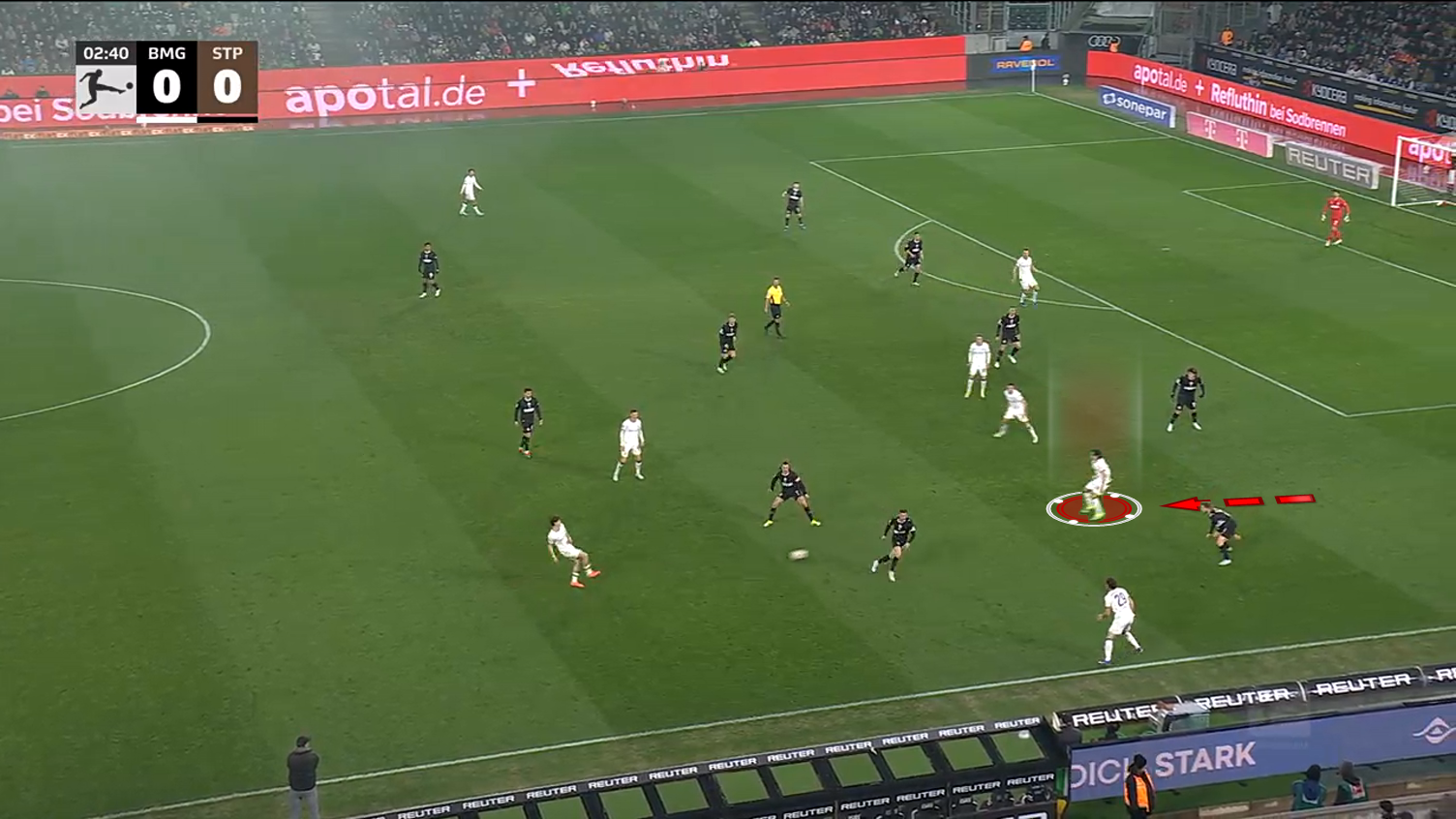
His technical ability on the half-turn is arguably his most refined trait.
Wael Mohya does not simply receive the ball; he angles his body to ensure that his first touch is always progressive.
By taking the ball on his back foot, he effectively eliminates the closest marker with a single movement.
This allows Gladbach to bypass mid-blocks with startling efficiency.
In Polanski’s 4-2-3-1 or 4-3-3 variations, Wael Mohya acts as the primary needle player.
When the ball is in the wide areas, he doesn’t just crash the box; he hovers on the edge of the area, providing a cutback option or a secondary creative pivot.
This hovering requires immense tactical discipline, as it demands that the player resist the urge to chase the ball and instead trust the geometry of the team’s shape.
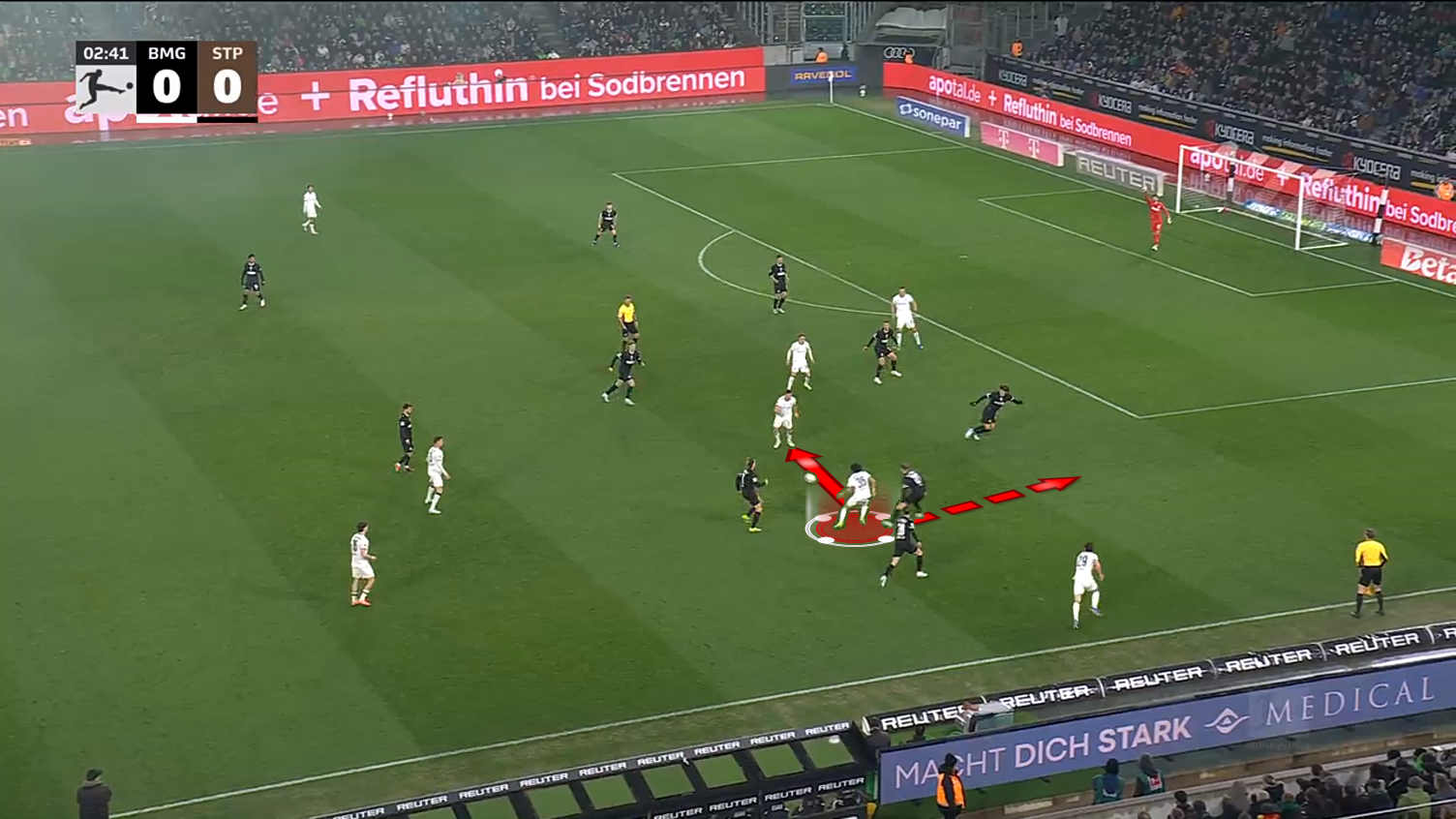
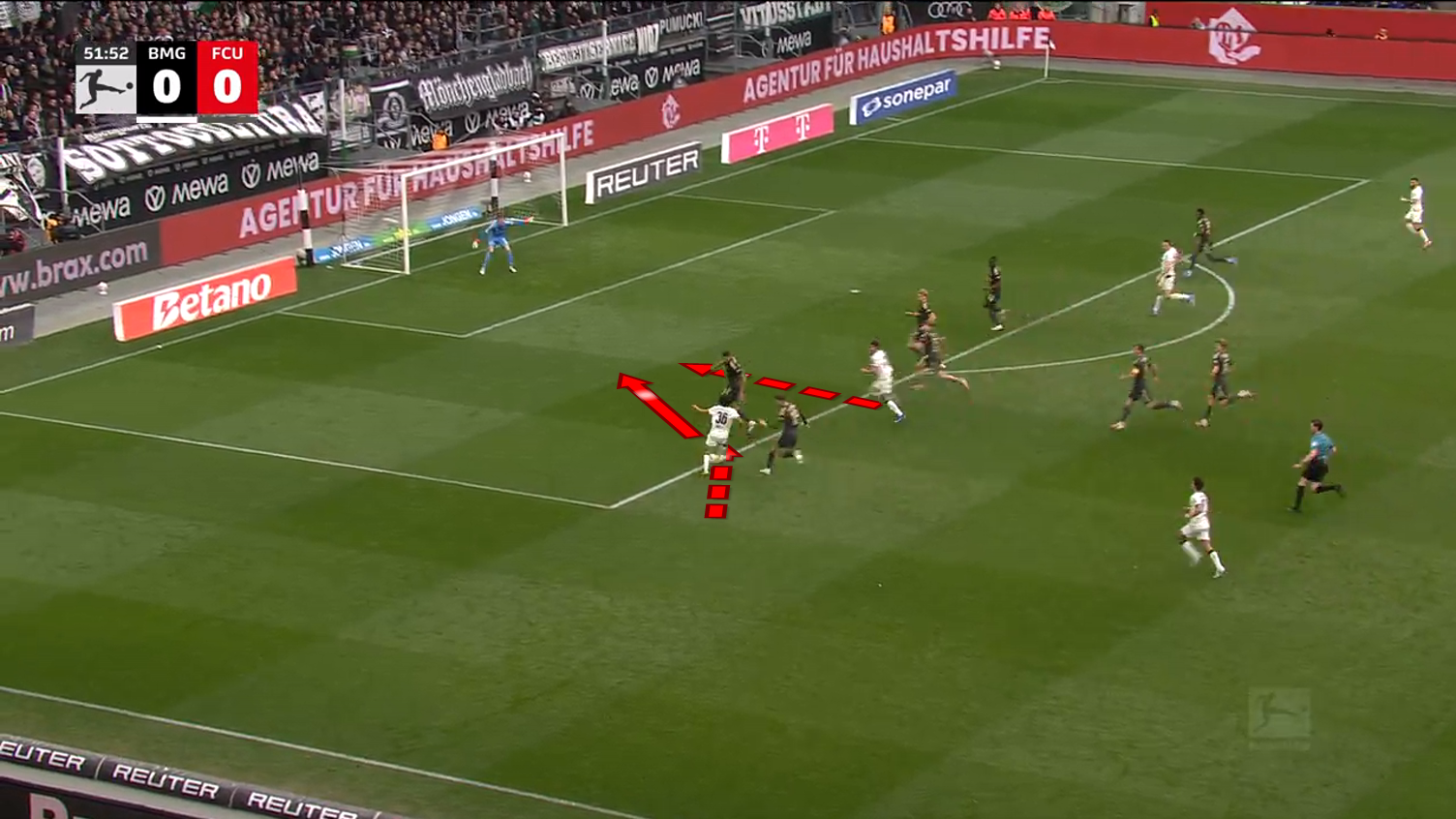
Furthermore, Wael Mohya’s footballing IQ is evidenced by his vacating runs.
He understands that sometimes his most effective action is to lead a marker away from the ball.
By making a vertical run into the channel, he forces the opposition’s pivot to drop deep, which in turn creates a vacuum in the centre of the pitch for a teammate like Rocco Reitz or Florian Neuhaus to exploit.
This selfless approach to space is rare among teenage talents, who often prioritise ball dominance over structural integrity.
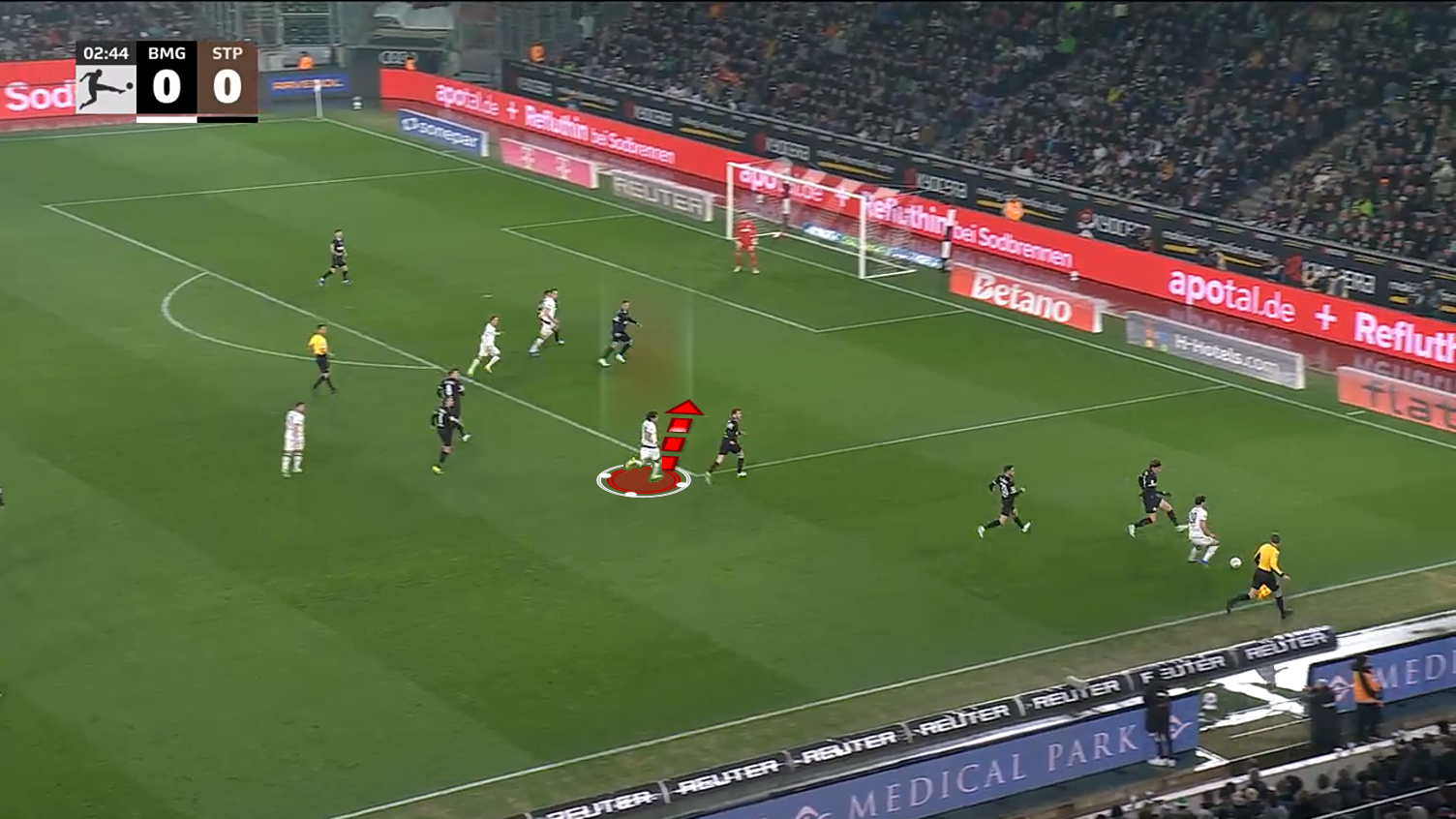
Wael Mohya, however, plays like a conductor.
He recognises that the tempo of the match is dictated by how quickly the ball can travel from the second to the third phase, and his movement between the lines is the lubricant that ensures this transition remains frictionless.
He is not merely an outlet; he is a spatial manipulator who understands that in the Bundesliga, the most dangerous weapon is not the ball itself, but the space that opens up when the ball is moved with intent.
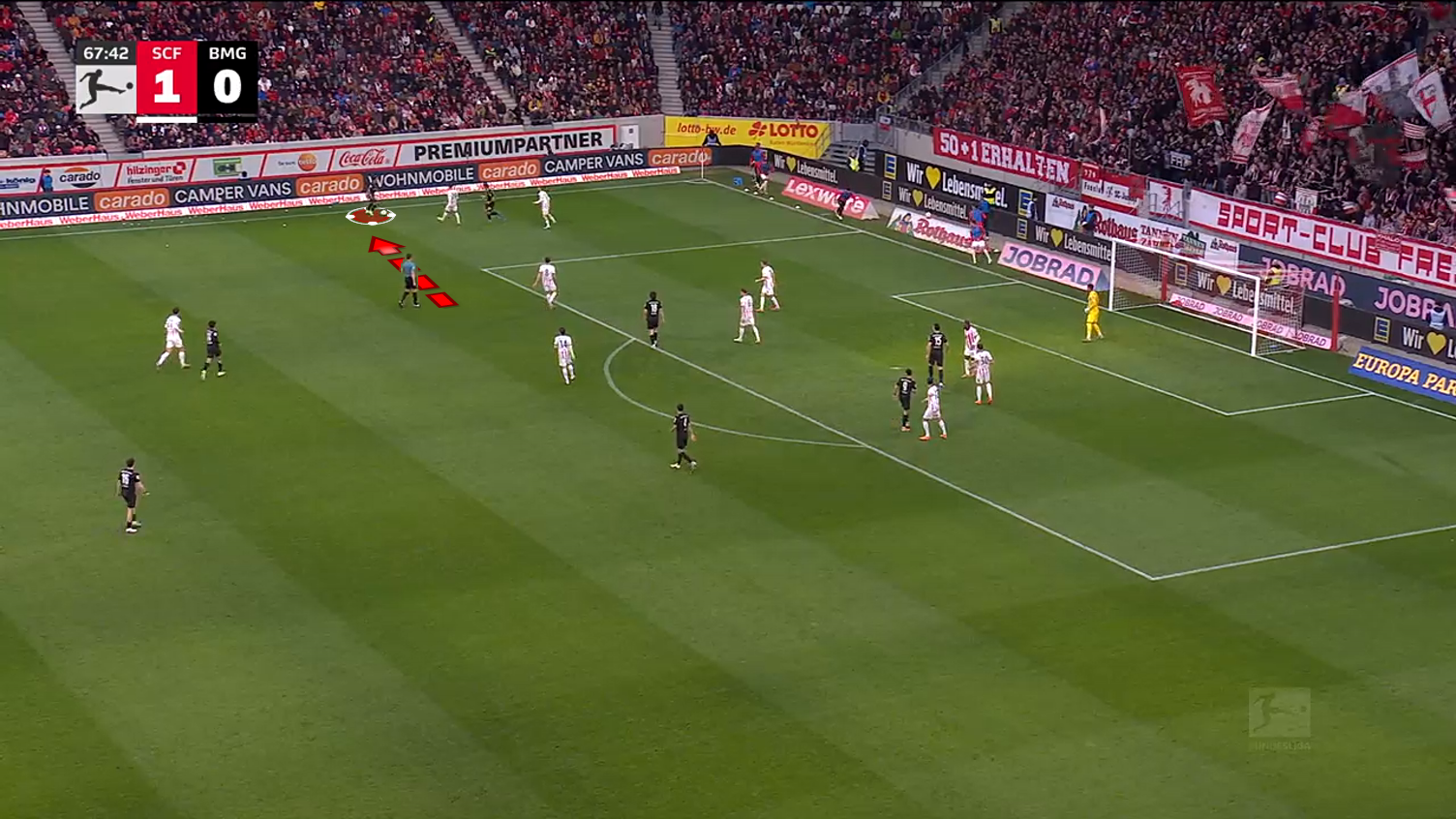
His ability to interpret space is reminiscent of the raumdeuter role, but with a greater emphasis on central ball progression rather than wide entry points.
Wael Mohya’s intelligence is also highlighted by his decision-making regarding passing lanes.
He rarely attempts a speculative ball unless the tactical rewards outweigh the risks.
Instead, he focuses on sustaining the attack, playing high-percentage passes into the feet of the wingers to force the opposition into a lateral retreat.
This methodical dismantling of an opponent’s shape is what makes him so vital to Polanski’s vision.
By occupying the half-spaces with such consistency, he forces the opposition full-backs to tuck in, which subsequently creates massive amounts of space for Gladbach’s overlapping wing-backs.
In this sense, Wael Mohya is the engine of the team’s wide overloads, despite rarely touching the ball in the wide zones himself.
He is the ghost in the machine, a player whose influence is felt most strongly when he is standing in the areas where the opposition least wants him to be.
The Flink Dribbler: Manipulating The Low Block
While his movement creates the opportunity, Mohya’s dribbling is the tool he uses to convert positional superiority into numerical advantage.
Standing at roughly 1.76m with a low centre of gravity, he possesses the nimble, ‘Wieselflink’ agility that has drawn inevitable comparisons to Jamal Musiala and Florian Wirtz.
His dribbling is not defined by showmanship or unnecessary step-overs; it is a functional, rhythmic exercise in body feints and micro touches.
Wael Mohya excels in 1v1 situations because he is effectively ‘Beidfüßig’, or two-footed, in his ball manipulation: his ability to change direction using either the inside or outside of both feet makes him almost impossible to pin down in tight spaces.
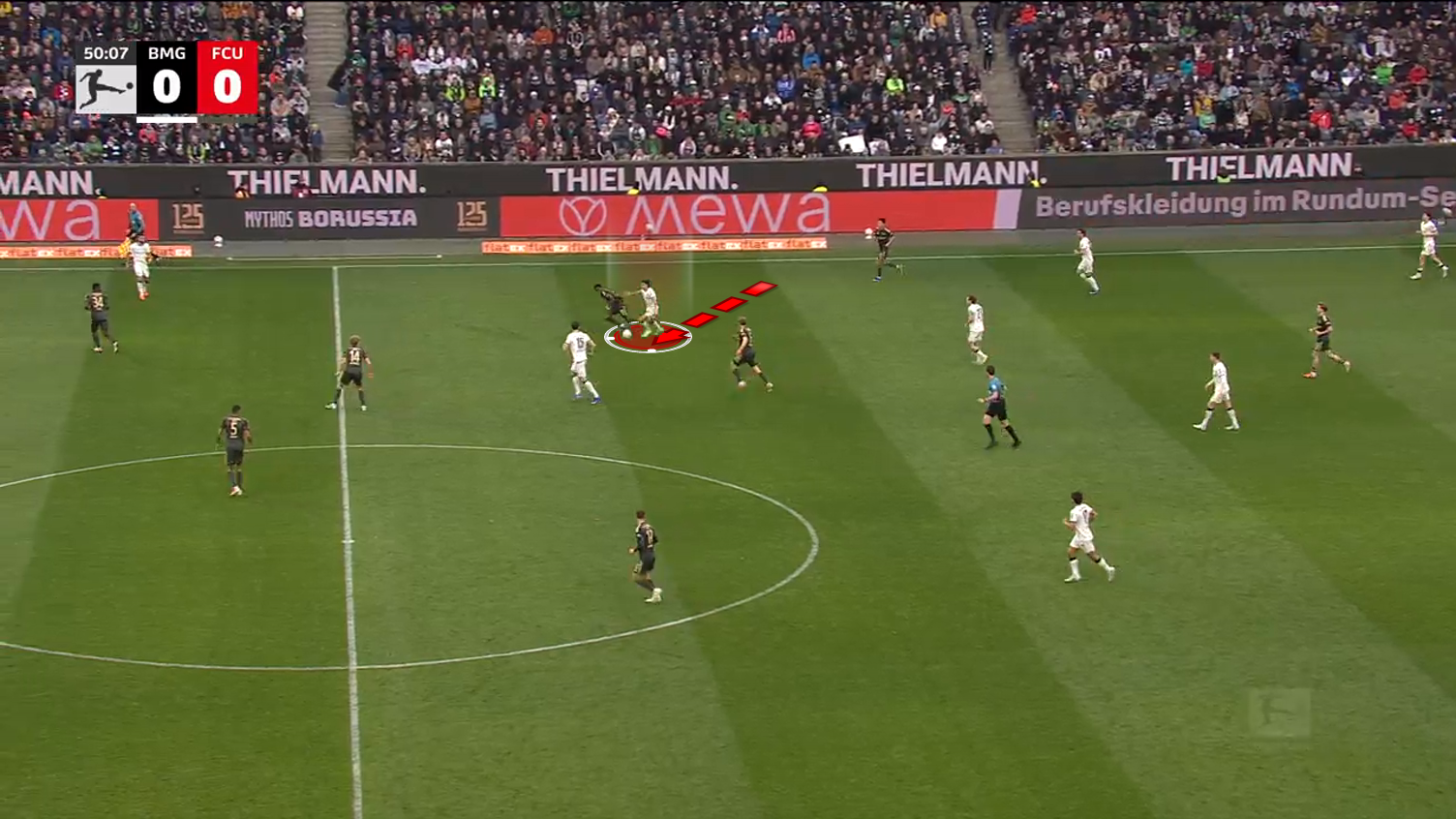
In the modern Bundesliga, teams often defend in a compact low block once the initial press is bypassed.
Breaking these structures requires a player who can commit defenders; Wael Mohya is fearless in this regard.
He frequently receives the ball with his back to goal, only to utilise a spin-and-go motion that leaves his marker trailing.
His first step acceleration is elite, allowing him to gain a yard of separation within a two-metre radius.
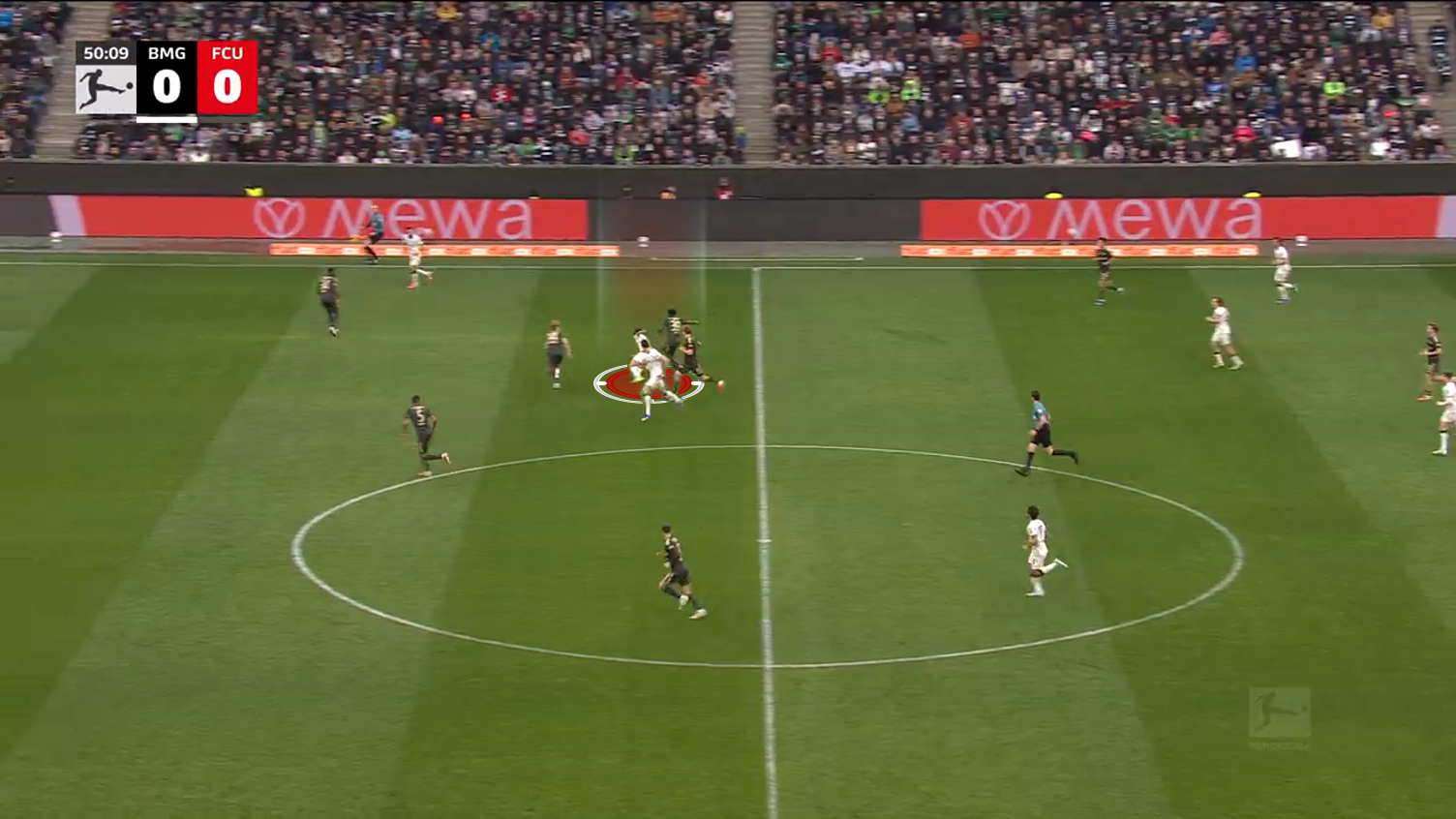
This is particularly effective in the Zone 14 area, where a single successful dribble forces the opposition’s centre-backs to step out, thereby unbalancing the entire defensive line.
What sets Wael Mohya apart from other young dribblers is his vision while carrying.
Many players drop their heads when engaging in a 1v1, losing sight of the broader tactical picture.
Wael Mohya, however, maintains an upright posture, allowing him to spot the run of a winger or an overlapping full-back even as he is navigating a maze of legs.
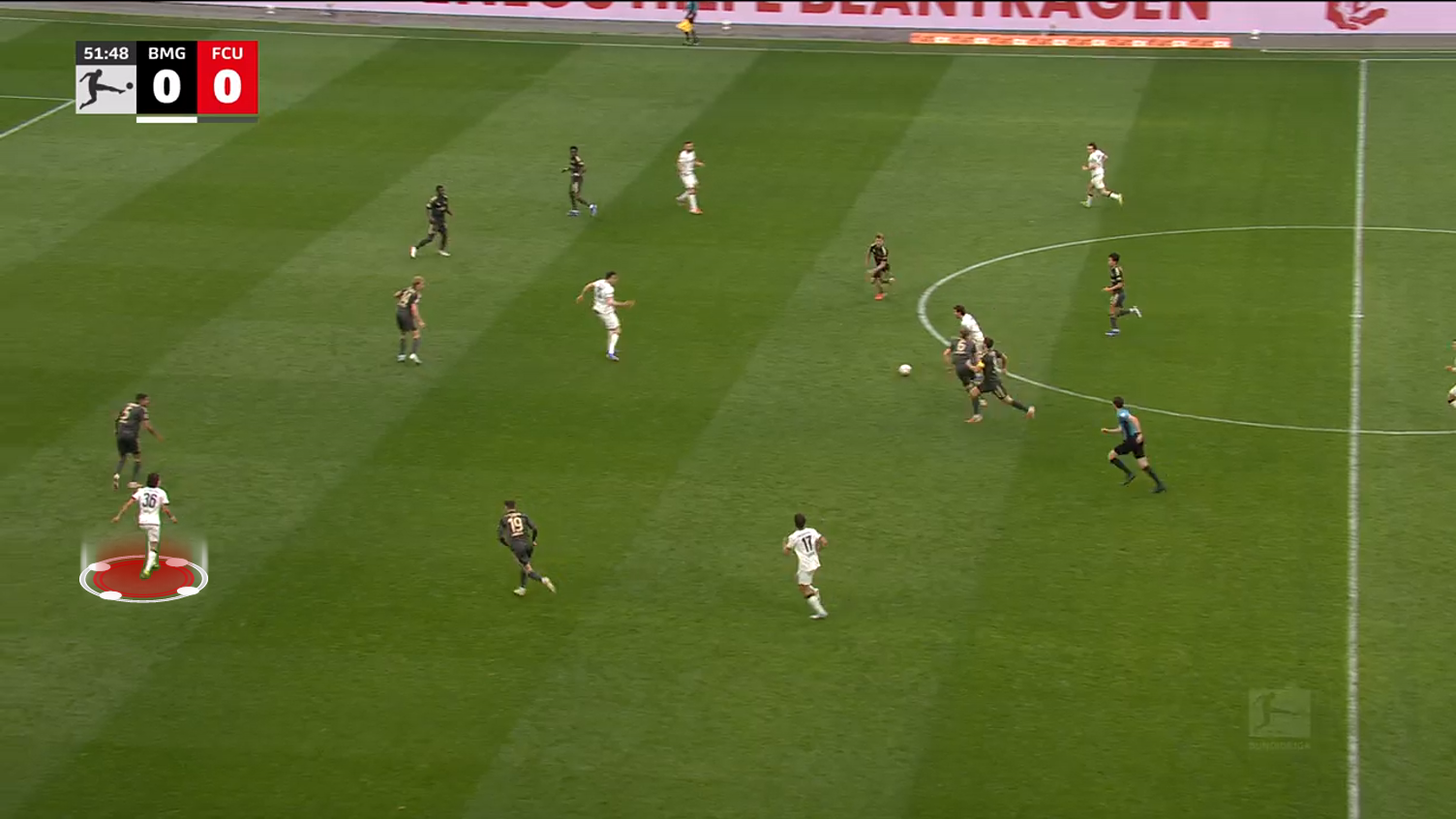
He treats the dribble as a means to an end, usually a pre-assist or a line-breaking carry, rather than an end in itself.
Against low-block opponents like Union Berlin, he has shown the patience to bait the tackle before accelerating away.
This delay-and-drive mechanic is a hallmark of elite playmakers.
He doesn’t just beat his man; he beats the man in a way that creates a 3v2 or 2v1 elsewhere on the pitch.
His dribbling is a tactical destabiliser, a chaos factor that forces teams out of their pre-planned defensive zones and into a reactive, panicked state.
Furthermore, his ball retention is statistically significant.