Ballon d'Or 2026: Should Harry Kane, Kylian Mbappé Or Lamine Yamal Win? - Player Analysis
Who should win the 2026 Ballon d’Or? This analysis compares Harry Kane, Kylian Mbappé and Lamine Yamal across goals, trophies, major tournaments and overall influence before ranking the three leading candidates.

On 26th October, London will host the 70th Ballon d’Or ceremony, where football’s most prestigious individual award will be presented to the player judged to have produced the strongest year.
Few editions have produced a debate quite as compelling as this one.
Harry Kane, Kylian Mbappé and Lamine Yamal enter the discussion as the three leading candidates, and each has constructed a case strong enough to win in a different year.
Their arguments are also notably different.
Kane’s is built around exceptional goalscoring output, major team honours and an influence on Bayern Munich’s possession game that extends far beyond conventional centre-forward play.
Mbappé combines elite production with one of the most dangerous open-space threats in world football, while his 2026 FIFA World Cup campaign gave his season further weight.
Yamal offers another profile entirely, combining elite creativity with goalscoring and major team success.
That makes the question of who deserves the award difficult to answer objectively.
The Ballon d’Or has regularly been criticised for the way team success appears to influence an individual honour.
A player can perform at an extraordinary level without winning the UEFA Champions League or a major international tournament, while another can benefit from being the central figure in a more successful side.
Whether that should carry such weight remains debatable, but it is impossible to ignore when assessing how the award has historically been judged.
This analysis, therefore, aims to make the comparison as balanced as possible.
It is not intended to diminish the achievements of any of the three candidates.
All have produced seasons that will remain significant regardless of the final vote, and any assessment of this kind will inevitably contain an element of interpretation.
There is also an interesting contradiction in how players are analysed.
Detailed scouting often focuses on success rates, technical actions and specific patterns of play.
Yet Ballon d’Or discussions usually become far more macro, with goals, assists, trophies and decisive moments in major competitions dominating the debate.
Those broader measures will form the foundation of this assessment, but the quality and wider influence of each player’s performances must also be considered.
For this assessment, the three candidates will be compared across individual output, team honours, influence in major competitions and the breadth of their contribution within matches.
Should Harry Kane Win The 2026 Ballon d'Or?
Harry Kane’s statistical case is immediately difficult to dismiss.
He finished the campaign with 73 goals and 81 goal contributions, won the Bundesliga Golden Boot and secured the European Golden Shoe.
He also finished as the DFB-Pokal’s leading scorer and was recognised as Germany’s Footballer of the Year.
His team's success was similarly strong.
Bayern won the Bundesliga, DFB-Pokal and Franz Beckenbauer Supercup, giving Kane three trophies across the campaign.
He scored in both domestic cup finals and maintained his Champions League output into the knockout stages, scoring in every round.
He also added seven goal contributions at the World Cup.
Those numbers alone create a credible Ballon d’Or case, but Kane’s influence cannot be reduced to finishing.
Centre-forwards are sometimes disadvantaged in individual-award discussions because their involvement is naturally concentrated closer to goal.
Kane is different.
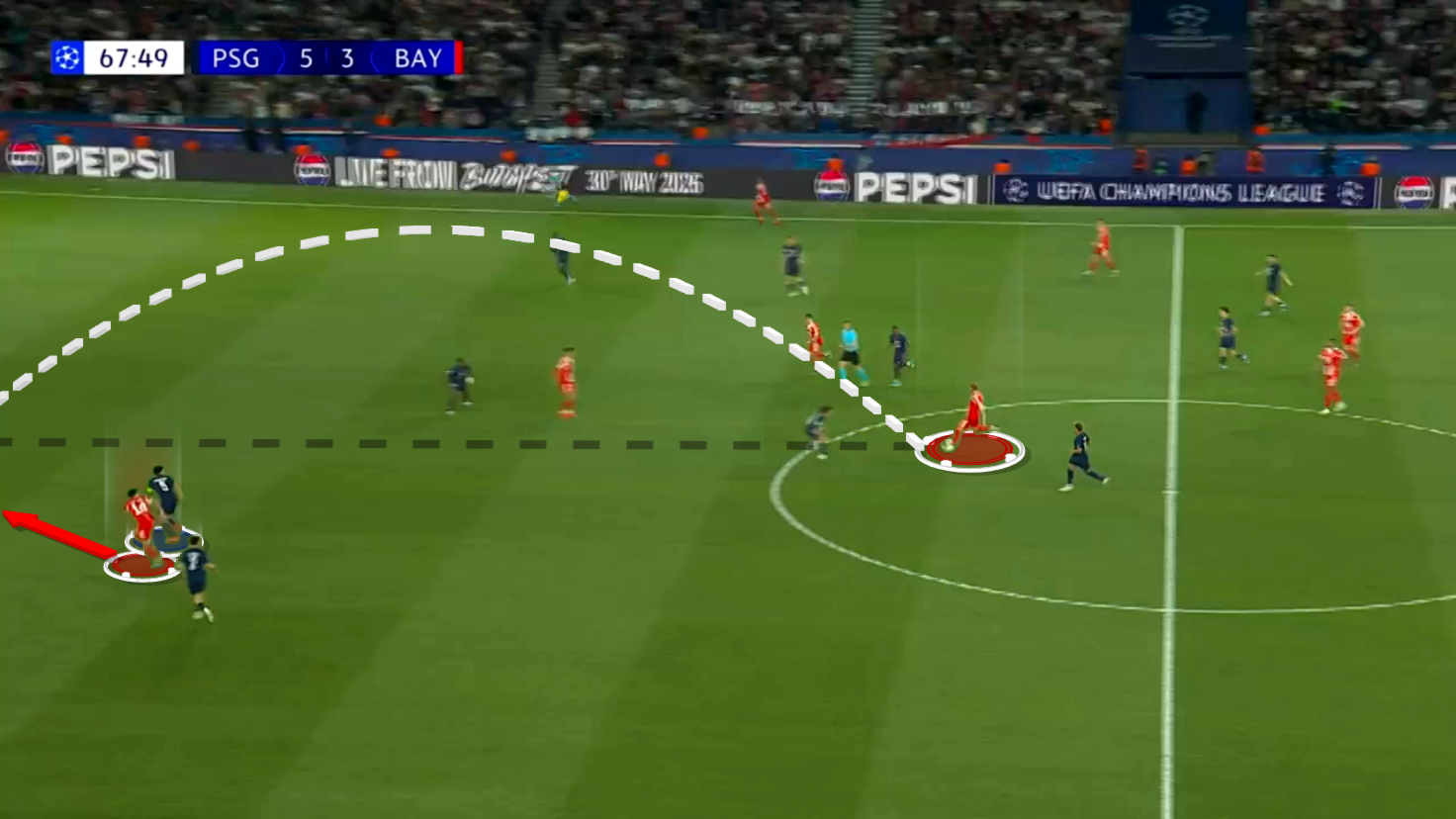
He regularly drops away from the opposition defensive line to connect midfield and attack, giving him influence in phases of possession that would normally sit outside the remit of a traditional No. 9.
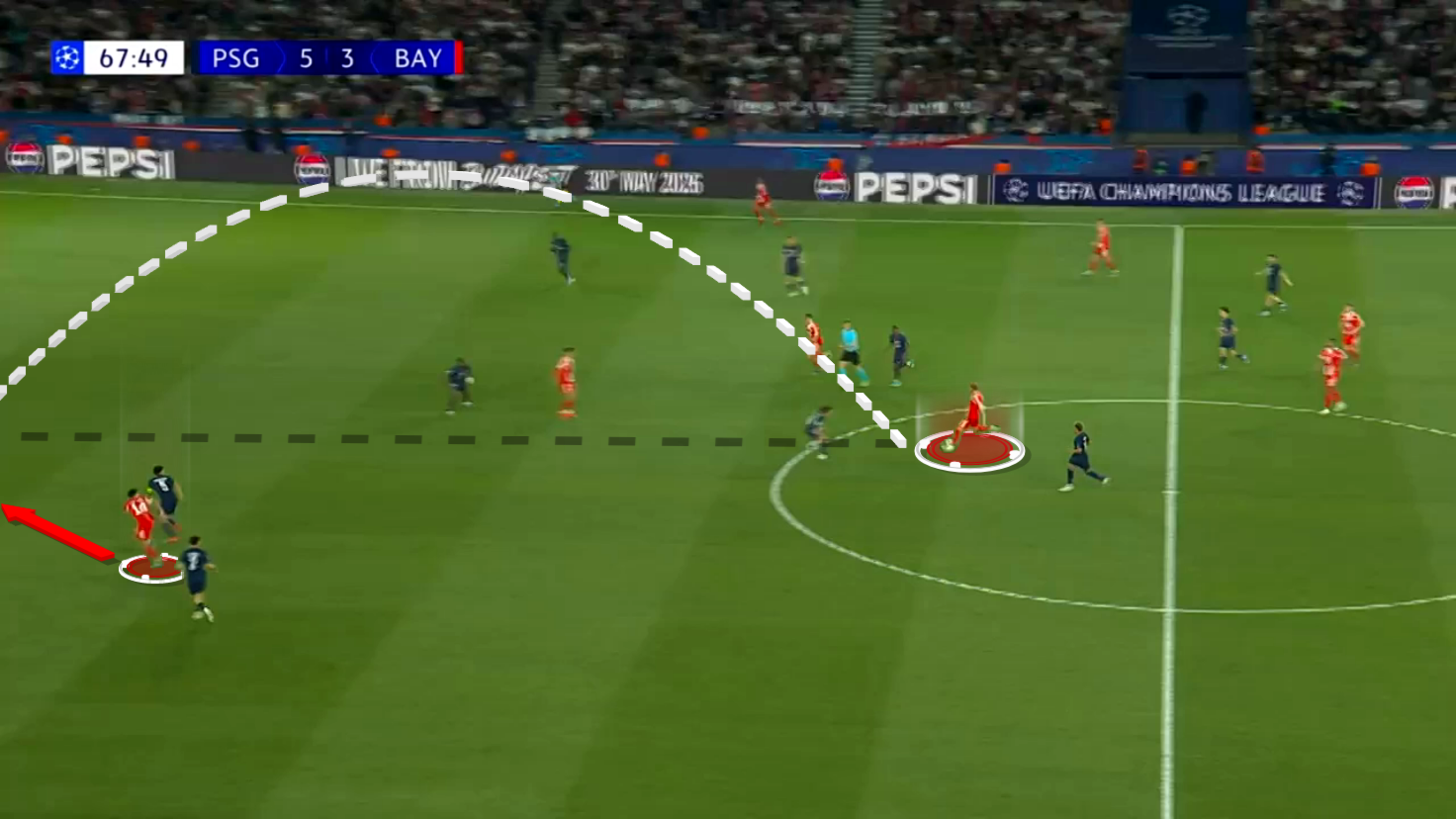
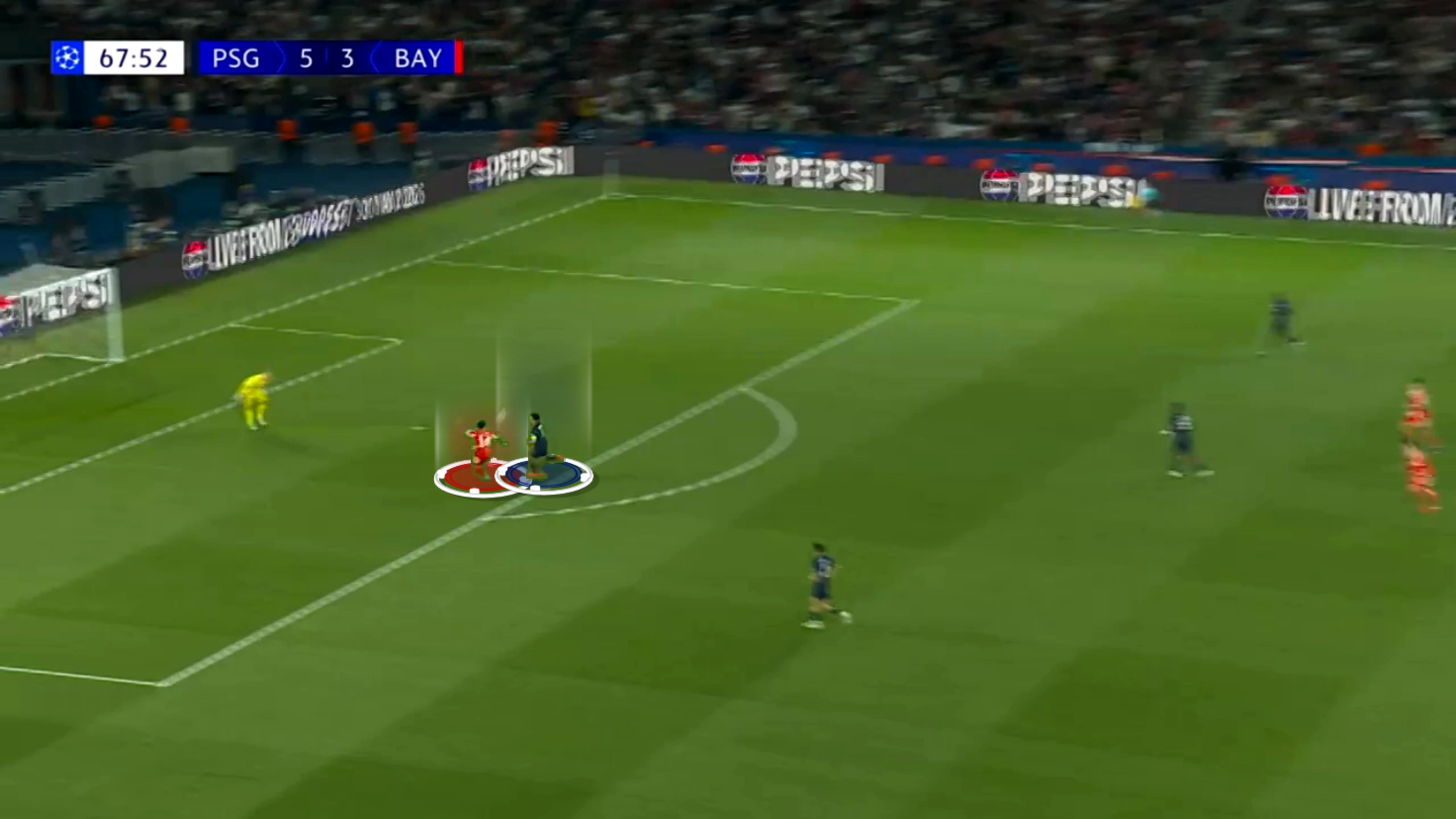
As illustrated below, Kane is comfortable moving into deeper positions to receive before turning play forward.
From there, he can hold the ball under pressure, combine over short distances or release runners with longer passes.
His long-range distribution is particularly effective.
Kane strikes these passes cleanly and with relatively little height, while often playing them into the path of the receiver rather than directly at their feet.
This helps maintain the speed of the attack and reduces the need for an advancing teammate to slow down before controlling.
His technical quality is also reflected in the way he approaches finishing.
Kane has previously discussed the importance of his shot setup and the value of getting his body into the best possible position before striking.
By avoiding unnecessarily awkward shooting mechanics where possible, he gives himself the best chance of performing a clean action.
That does not mean he is dependent on ideal conditions.
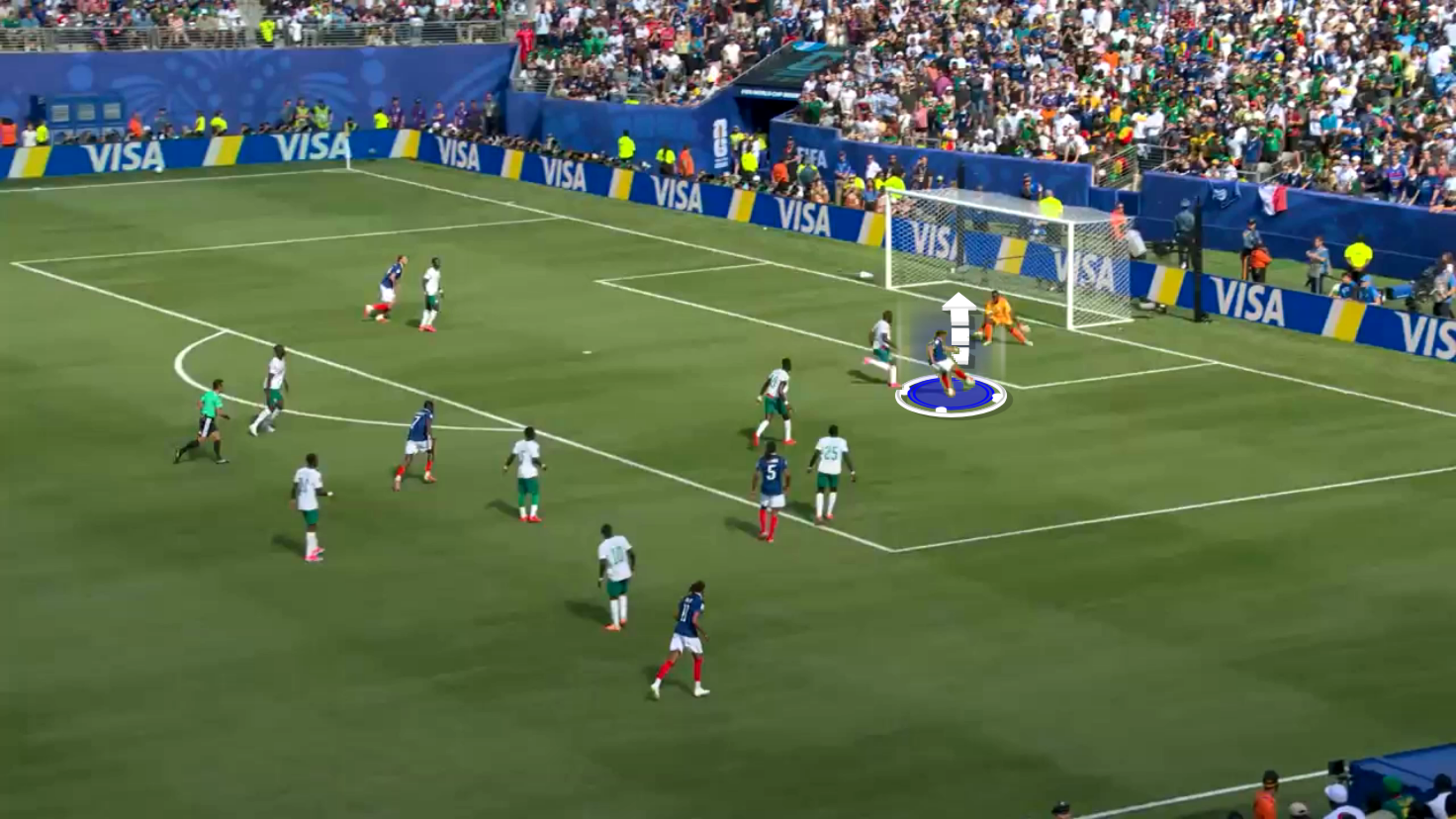
As shown below, Kane is also capable of finishing from unorthodox angles when the situation demands it.
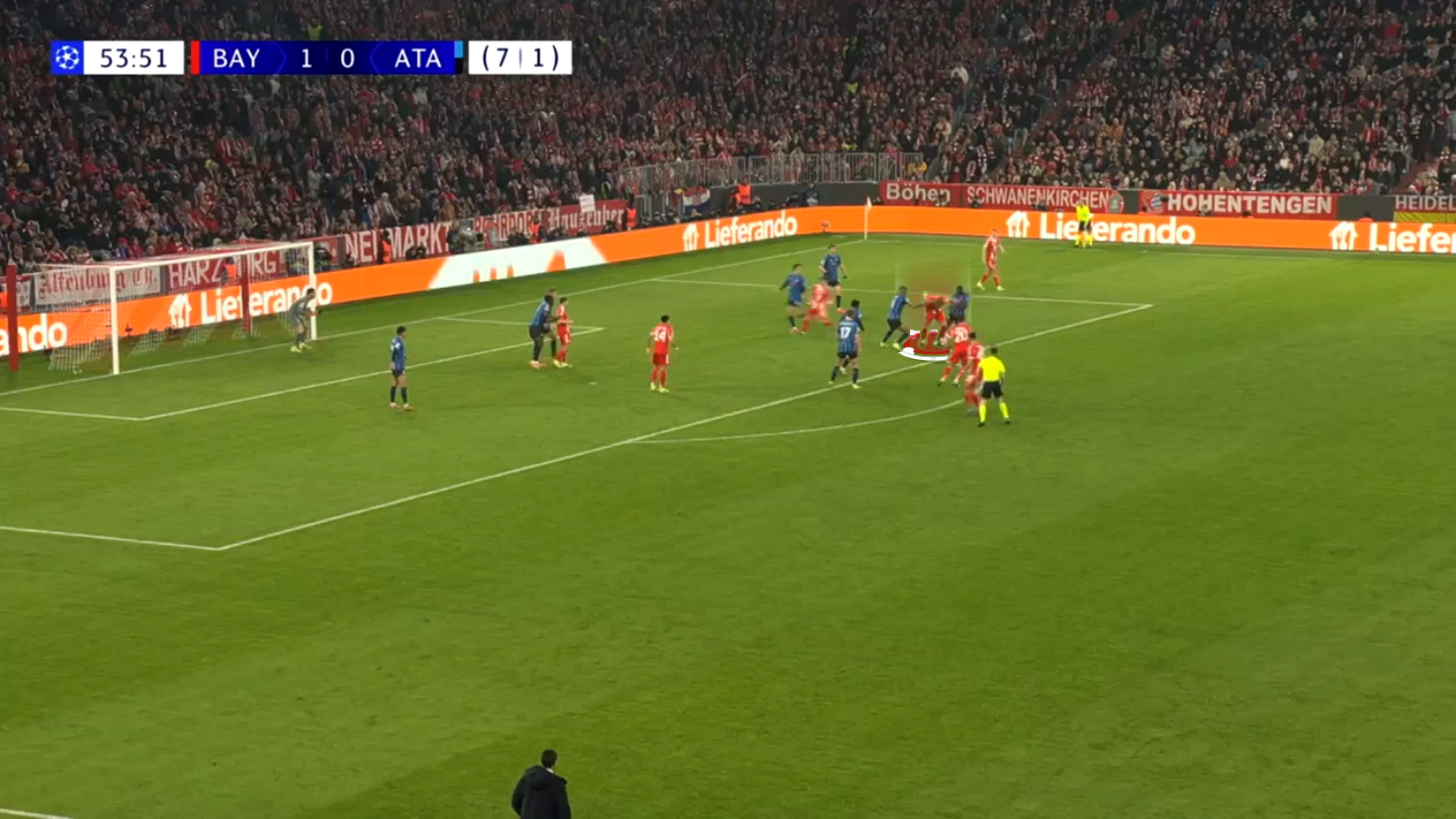
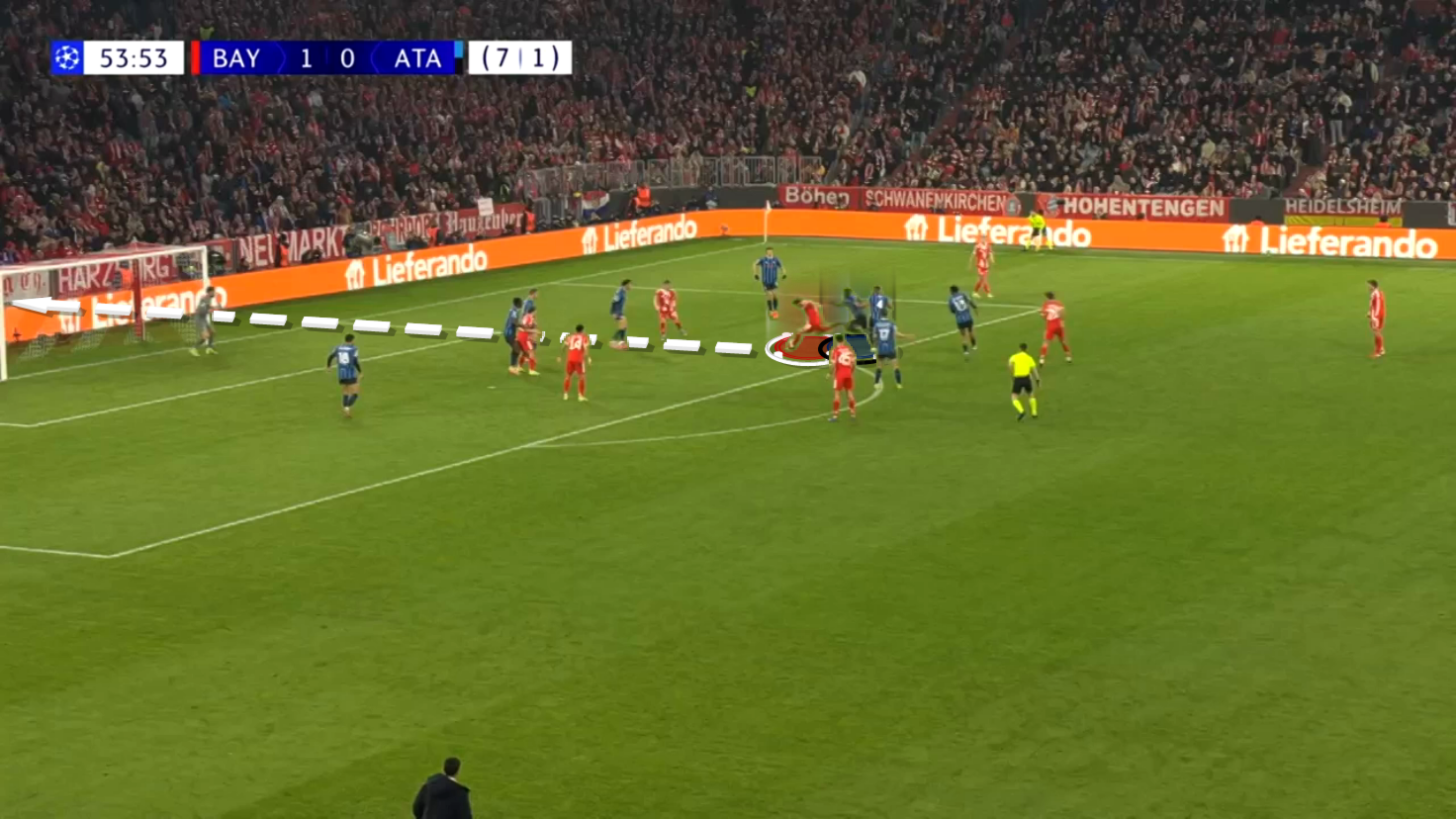
His finishing range is one of the strongest aspects of his game.
He can score with either foot, finish volleys, attack crosses with his head and threaten from set-pieces.
He is also capable from a wide range of distances and body positions.
That variety makes him particularly difficult to defend because opponents cannot simply show him towards one side or try to remove a single preferred finish.
The more situations from which a striker can score, the fewer defensive solutions remain.
Kane is not defined by exceptional athleticism, but that arguably places greater emphasis on the quality of his technique and decision-making.
His passing, movement and finishing rarely depend on being faster or stronger than the opponent.
Instead, his effectiveness comes from consistently executing difficult actions at a high level.
Should Kylian Mbappé Win The 2026 Ballon d'Or?
Kylian Mbappé’s case is constructed differently.
He did not win a major team trophy with Real Madrid, which is likely to count against him when compared with Kane and Yamal.
Individually, however, his season was outstanding.
Mbappé won the Pichichi Trophy with 25 goals and finished as the Champions League’s leading scorer with 15.
His World Cup campaign was even more significant.
He scored 10 goals, won the Golden Boot and received the Bronze Ball as the tournament’s third-best player.
His World Cup alone provides an exceptionally strong individual argument.
Mbappé was one of the tournament’s defining attacking players despite France failing to win the competition, while also becoming the all-time leading goalscorer in World Cup history.
The defining feature of his game remains his ability to move across the front line without losing threat.
Mbappé can operate centrally or from either wing.
In open space, Mbappé is among the most dangerous attackers in world football.
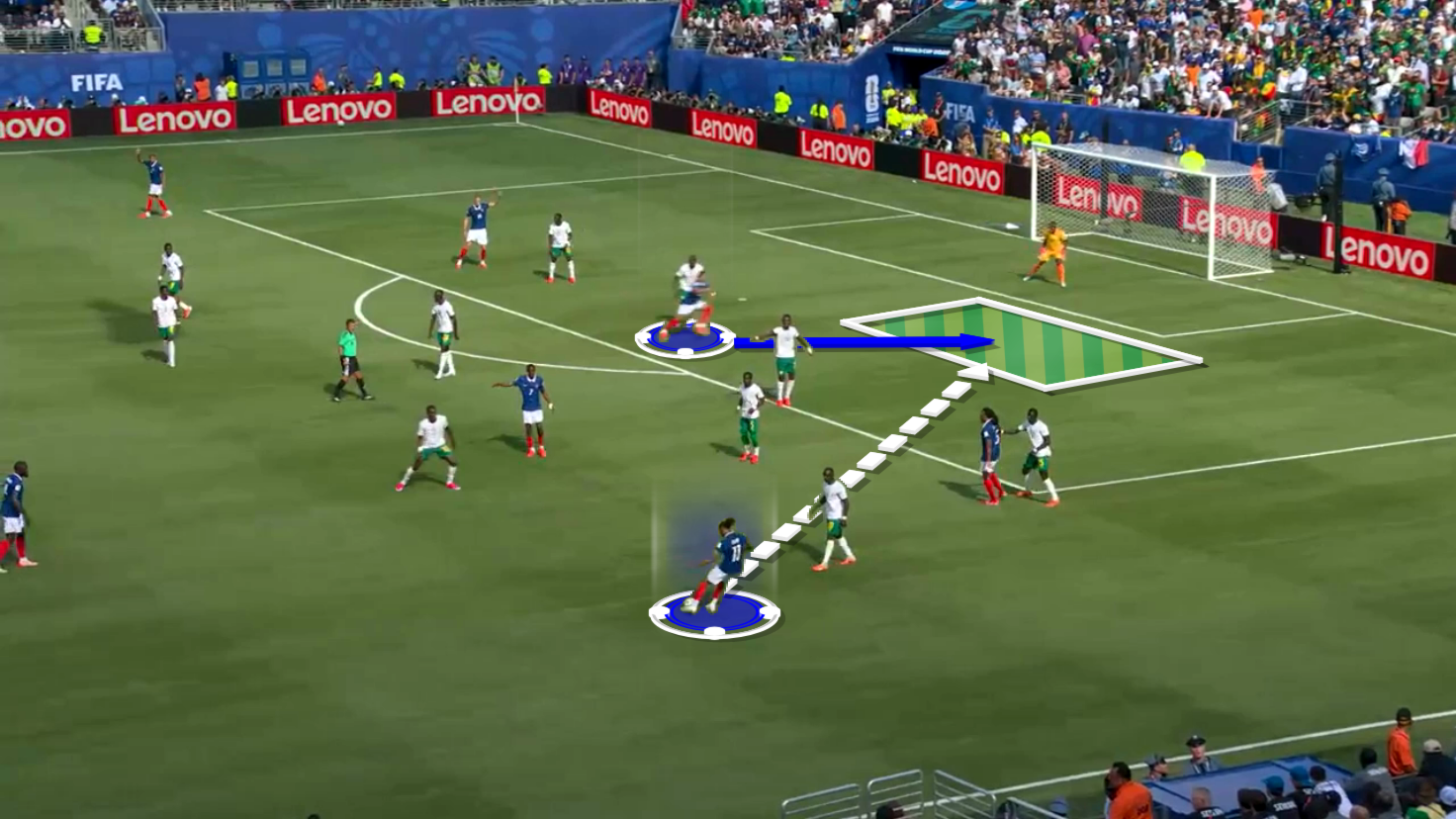
As shown below, his ability to run beyond the defensive line immediately forces opponents to retreat.
That threat stretches the defensive shape vertically, creating more space between the lines for teammates to receive and making it harder for the backline to hold an aggressive position.