How To Defend Crosses Effectively Like Borussia Dortmund - Tactical Theory

Crosses are among the most frequently used concepts for chance creation in football.
They pose a real issue for many defensive departments.
Therefore, in the following tactical analysis, we will examine the crosses from various Bundesliga matches and discuss principles for successfully defending crosses.
To do so, this tactical analysis will utilise in-game scenarios from various Bundesliga teams, including Borussia Dortmund, Union Berlin, and Borussia Mönchengladbach.
We will also present examples of common mistakes and provide principles to help avoid them.
3+1 Defending Setup
We need to examine the most threatening areas more closely to develop defensive tactics for defending crosses.
Often, in terms of shooting positions, the area in front of the goal gets divided into six zones, as seen below.
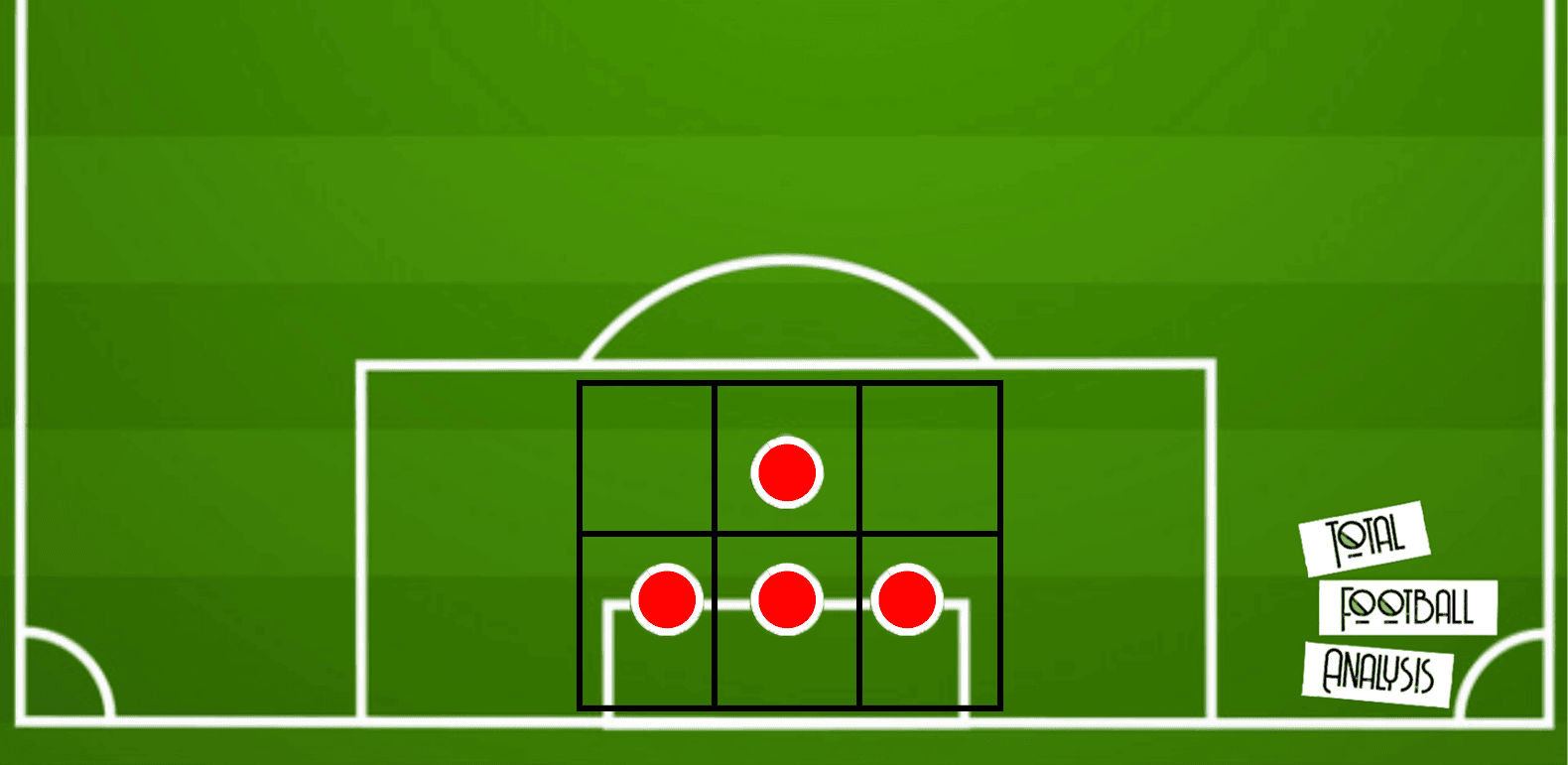
The zones closer to the goal provide a greater threat.
Therefore, they should be occupied by defenders.
Furthermore, the more central the zone, the more danger it poses.
Consequently, many attacking sides have a player occupying the space around the penalty spot.
And therefore, another player from the defending side, often a defensive midfielder, should occupy this zone.
As the lateral zones further away from the goal are less dangerous, and since there are often not enough defenders available to occupy every single zone, they remain empty.
This creates a 3+1 structure to defend crosses, as shown in the graphic above.
Each player will take responsibility for an opposition attacker within his zone.
If the ball is played into the empty areas, one of the three can move forward, or the defensive midfielder can shift into this zone.
Individual Defensive Principles
After explaining the group's tactical behaviour when defending crosses, we should examine the individual defensive principles.
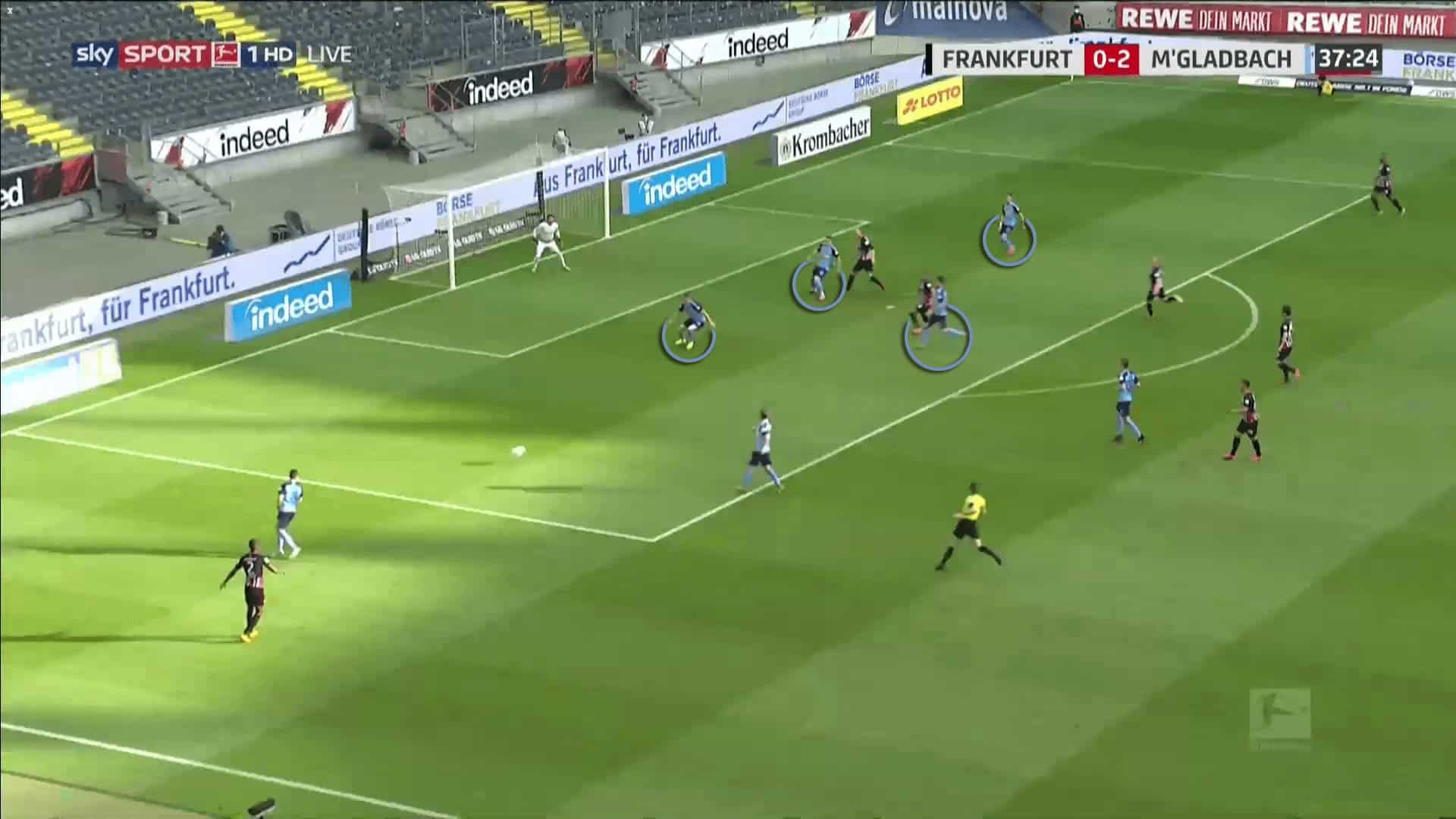
Obviously, although the zones can give a broad overview of the most threatening areas, the opposition attackers still provide the greatest threat.
Only where attackers are positioned in a goal-scoring position can a goal be scored, disregarding the rare scenario of an own goal, which is often forced by an attacker nearby.
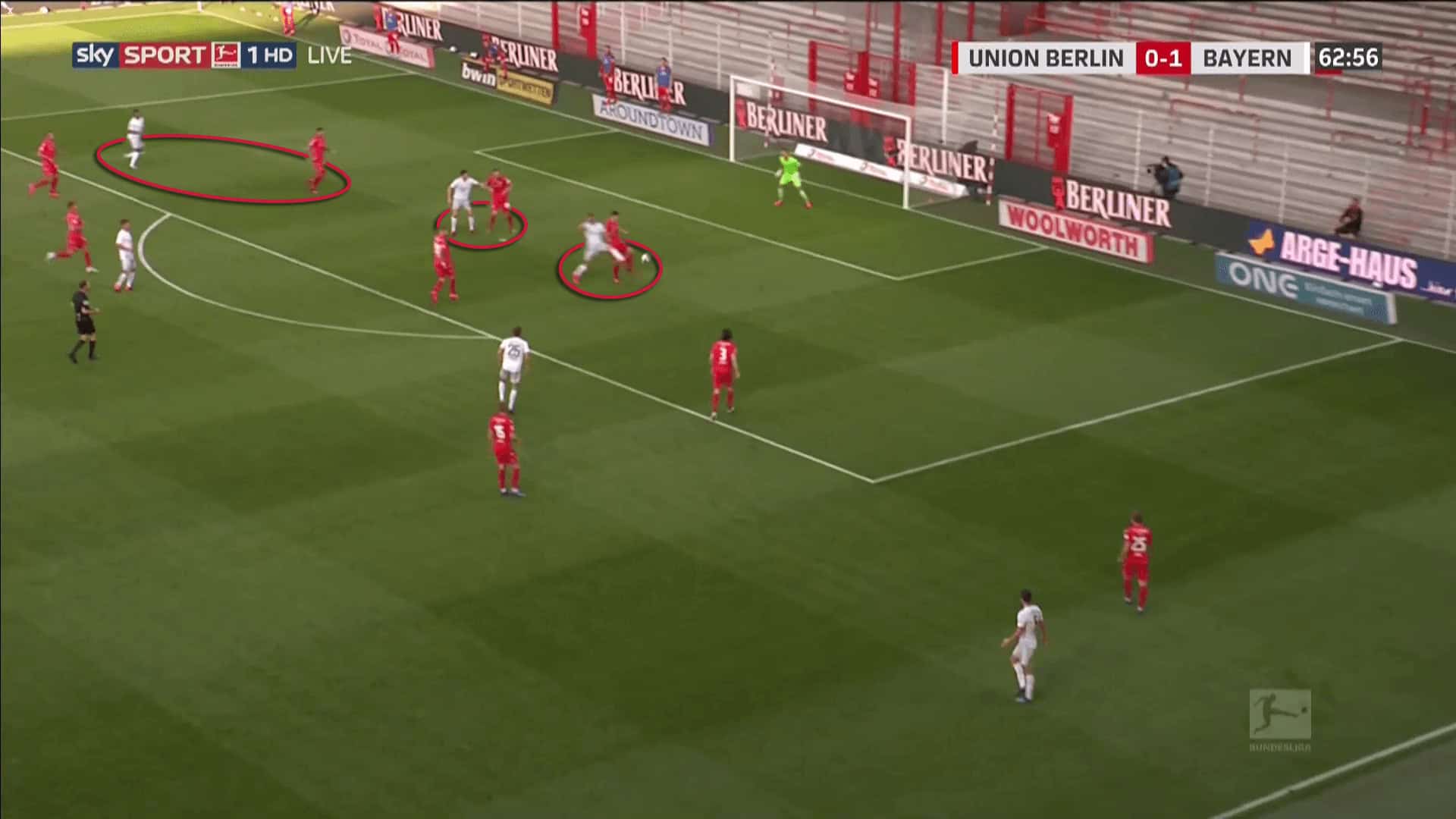
Therefore, the most important principle when defending crosses is to mark opposition attackers tightly.
The closer to the goal, the tighter opposition players need to be marked.
That is because the risk of a goal obviously rises with a decrease in distance to the goal.
In the example below of Union Berlin against Bayern Munich, the Berlin defenders are positioned close to their direct opponents and centrally in front of the goal.
Another important principle for defenders is to always keep an eye on the ball and their direct opponent.
Otherwise, it enables the attacker to slip away from the defender's back easily.
Gary Neville calls it the "one second rule", which basically says that "you cannot look at the ball or the man for more than one second".
Instead, defenders must constantly check the ball's position and their direct opponent.
Last but not least, defenders must also protect the most threatening space - the space behind the defence.
If an attacker can receive a cross there, only the goalkeeper can protect the goal.
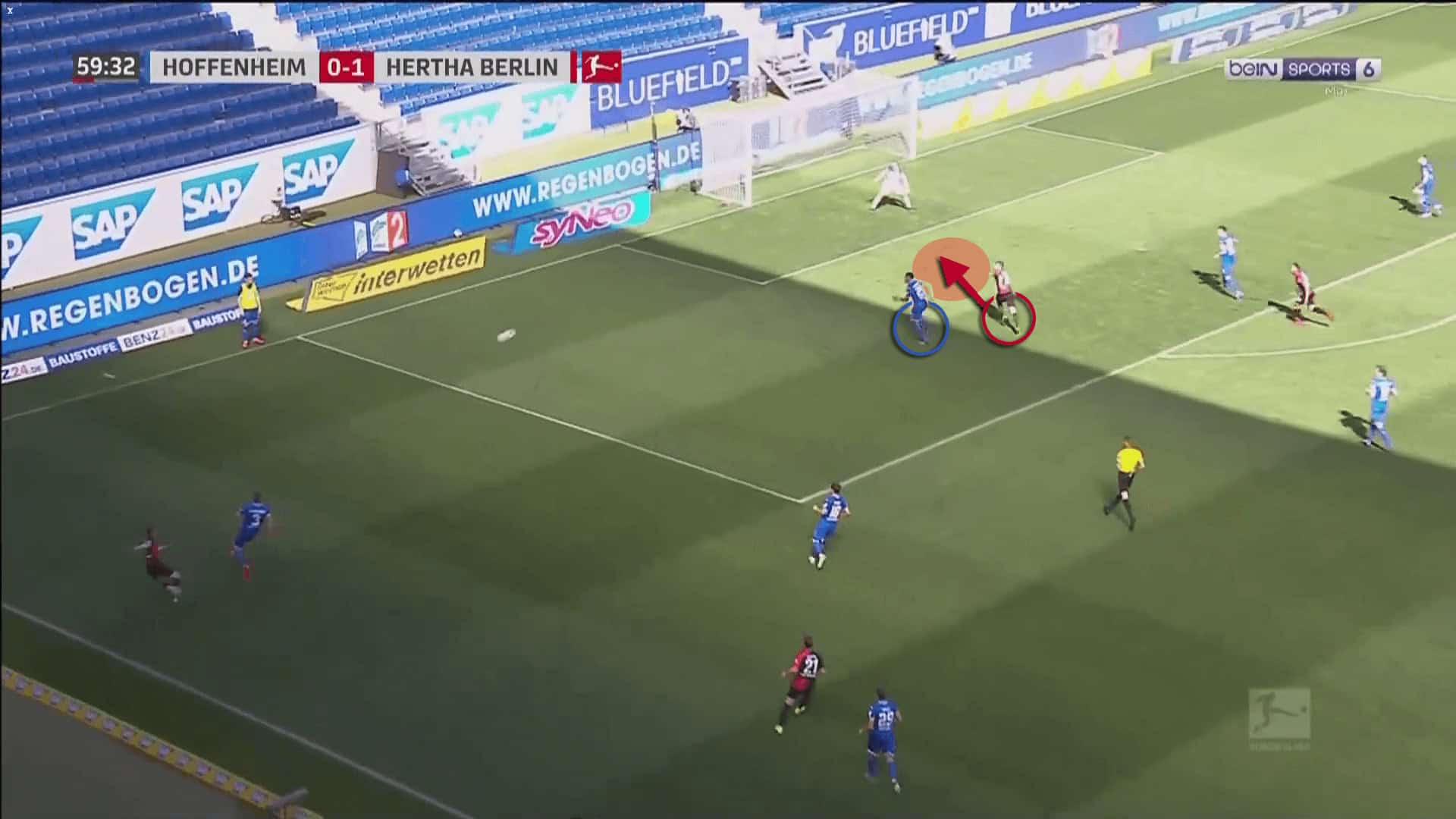
To avoid this scenario, the defenders must stay on the inner line, which is the area between the attacker and the goal.
If the attacker then receives in front of the defender, the latter can still block the shot.
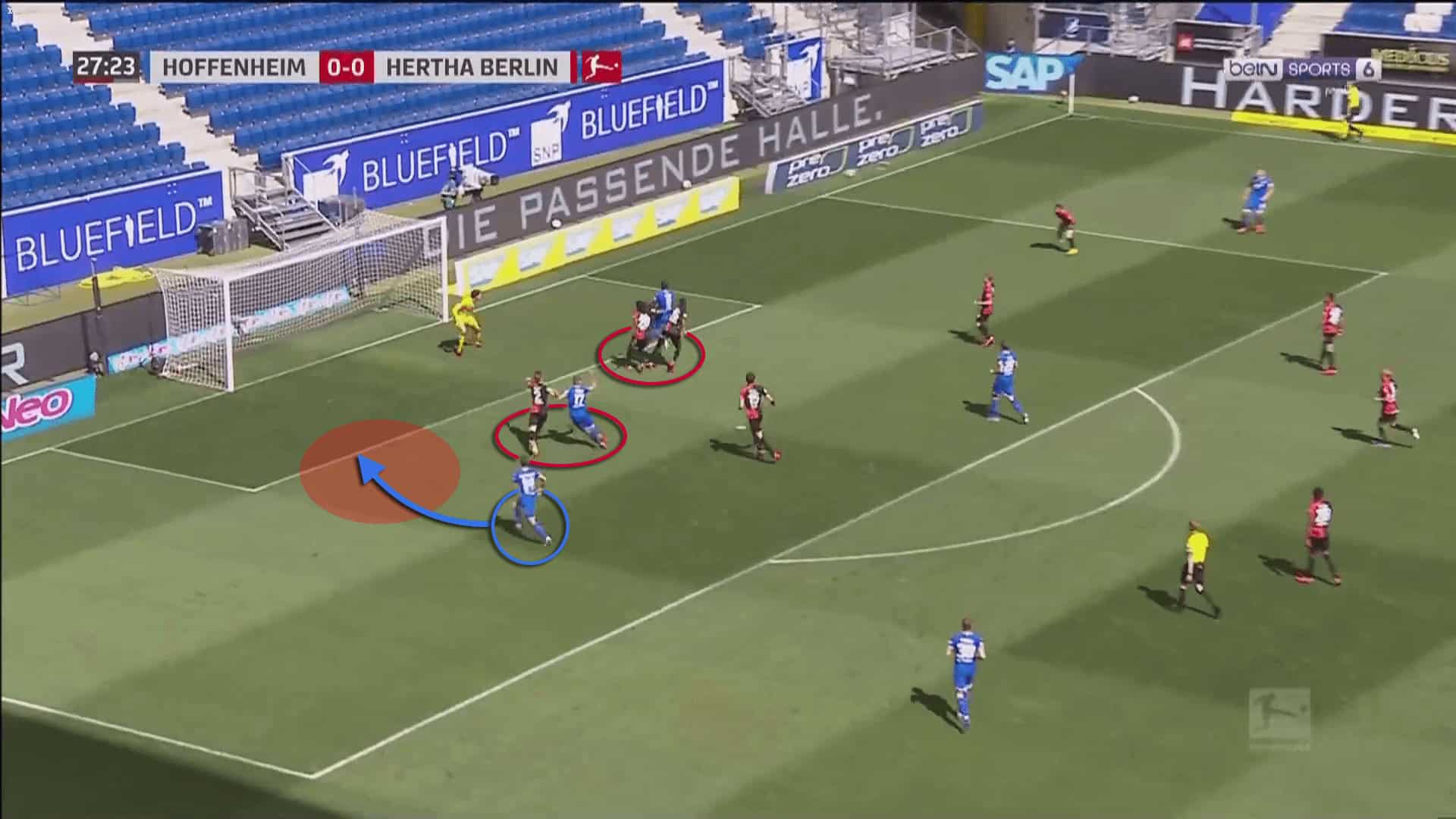
In the image below, we can see how Hoffenheim conceded a goal because their defender failed to maintain the inner line.
The opposition attacker is now positioned closer to the goal than the defender.
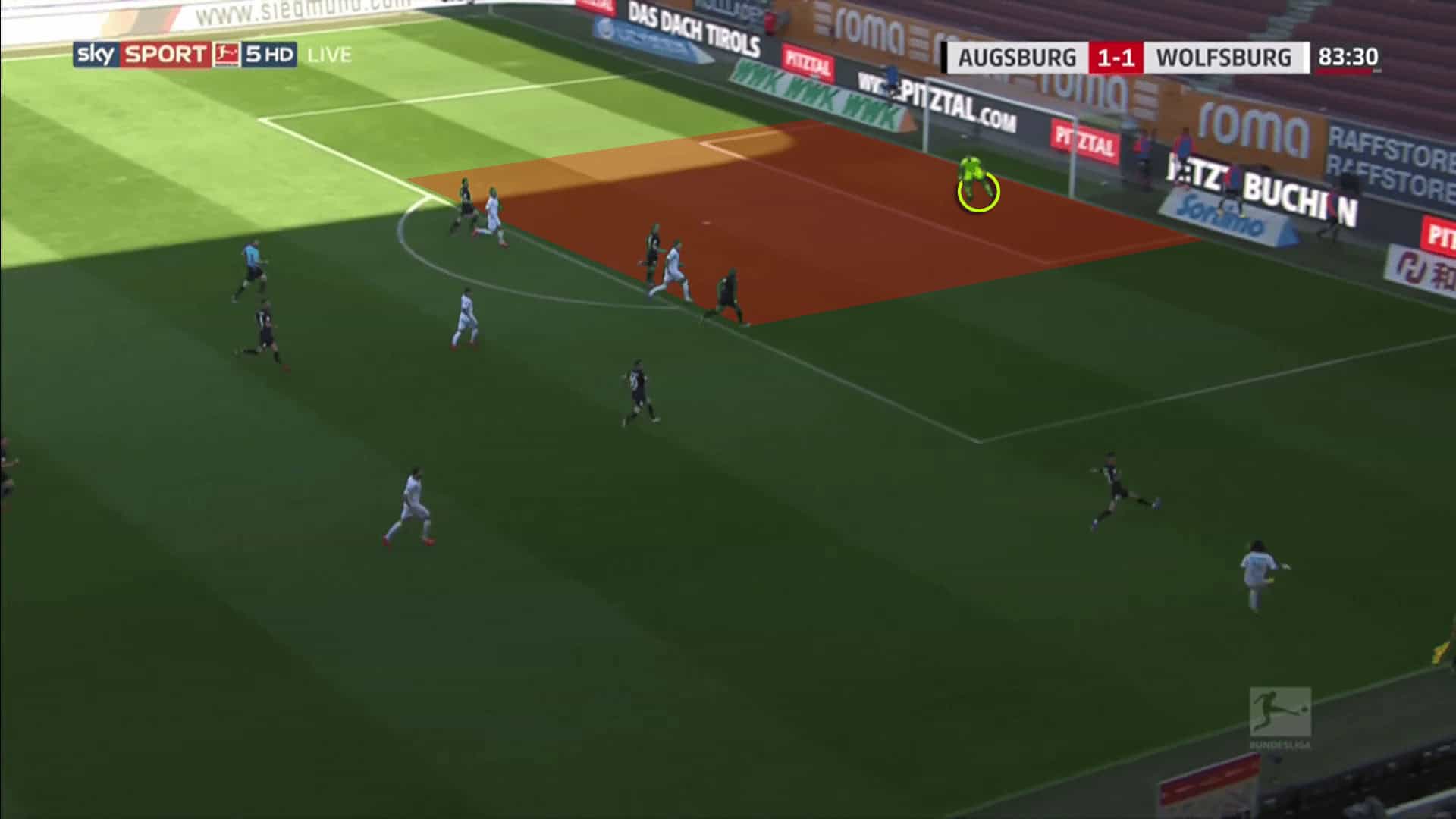
A fact often overlooked is that the goalkeeper also plays a key role when defending crosses.
The special ability to use the hands, unlike other players, allows the goalkeeper to defend more space within the penalty area.
Nevertheless, he obviously also has a special responsibility to protect the goal and needs to stay close to it.
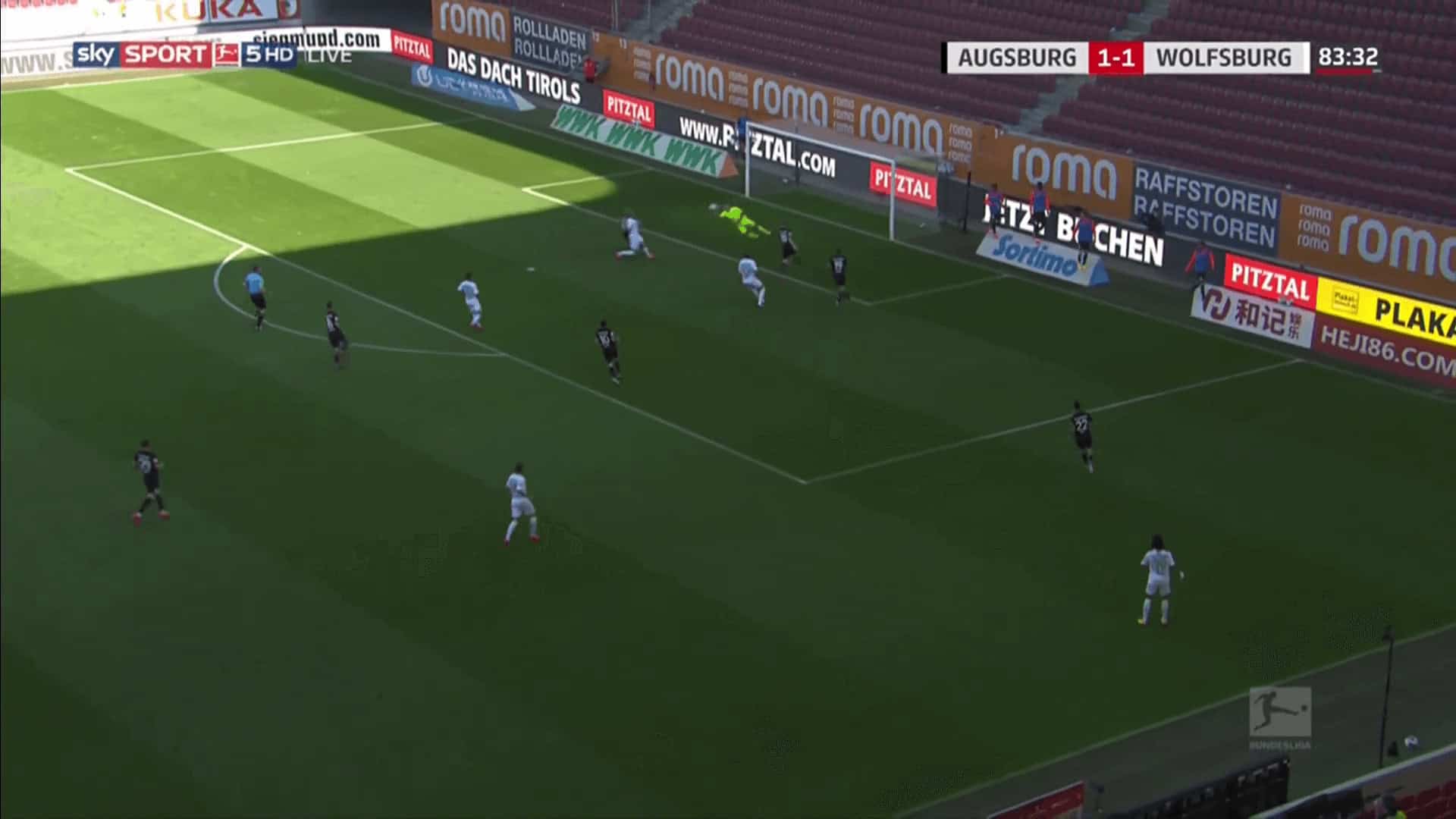
A rule of thumb is that the goalkeeper is responsible for crosses into the six-yard box.
However, depending on the crosser's position, goalkeepers can decrease the space behind the back line by attacking balls out of the six-yard box.
Reducing The Far Post Threat
A tendency observed when depicting crosses from Bundesliga matches is that crosses to the far post often create threatening situations.
These crosses can be extremely dangerous as the ball-watching defenders might not recognise opposition attackers arriving at the far post.
And even if they do, the far post is often covered by the ball far full-back, who could get overloaded by two attackers.
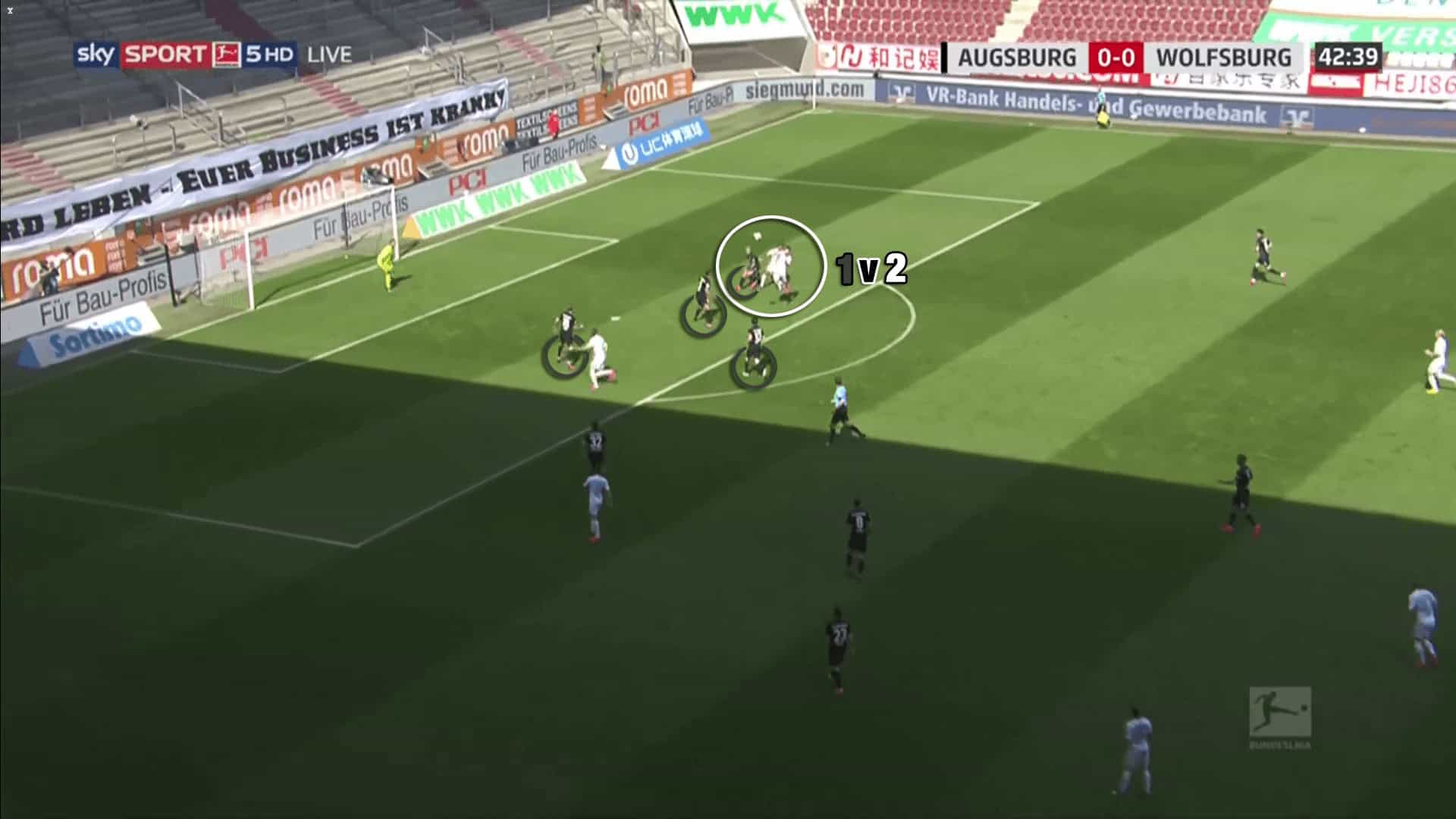
One way to avoid this full-back underload at the far post is to communicate early.
Most often, they get into an underload situation because the centre-backs shift too far without any direct opponent to mark.
In most cases, the defenders have numerical superiority within the box.
Nevertheless, they can only use that if they communicate about the marking responsibilities.
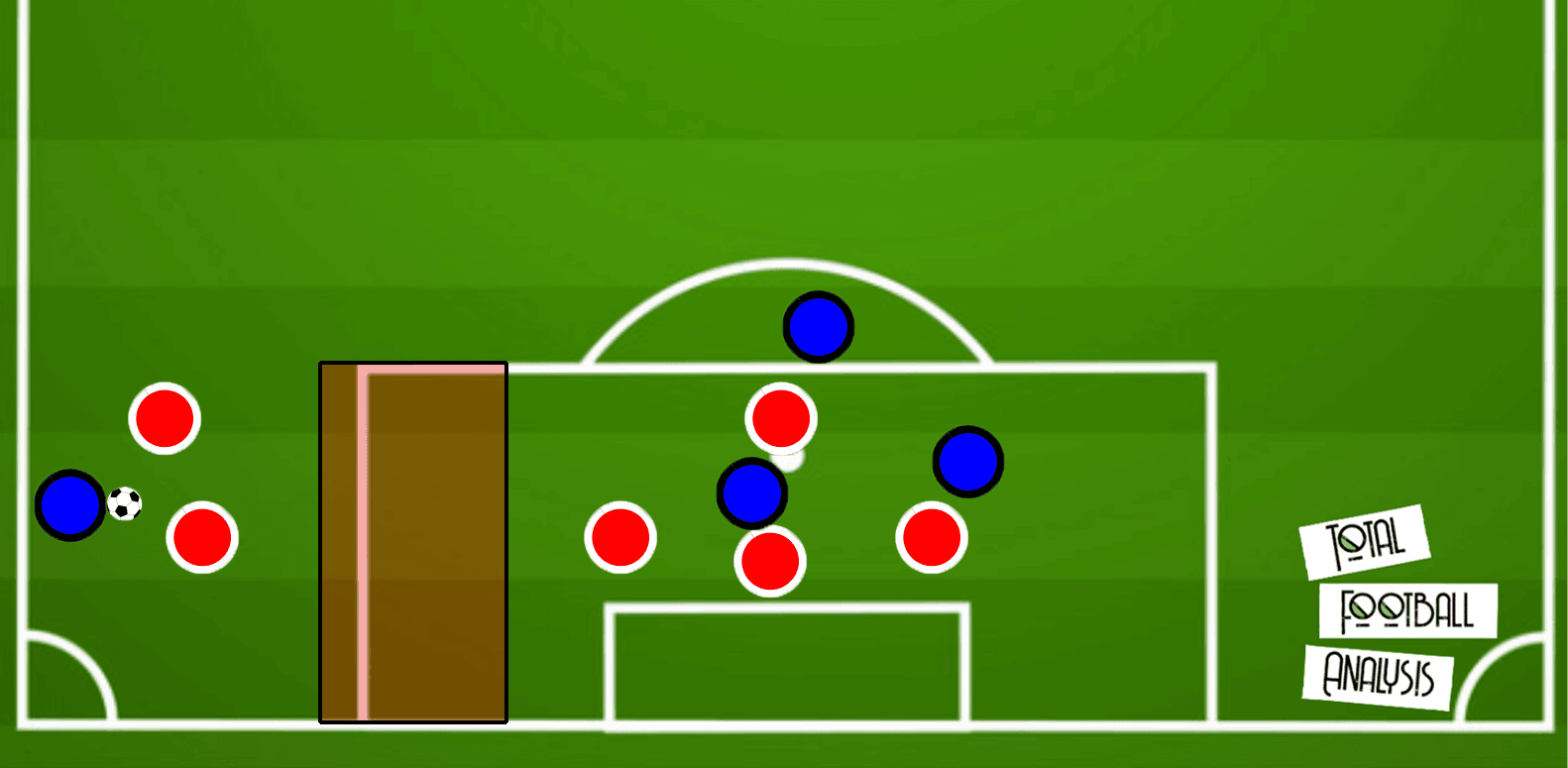
An often committed mistake related to the far post issue is the positioning of defenders in the "no man's land".
Tactician Jerome Polenz established the term.
According to him, the "no man's land" is the area where defenders can neither block the cross nor cover the central area in front of the goal.
As a consequence, with players positioned in this area, the defensive department might lack players in the crucial areas to defend.
Blocking Crosses
Another obvious but very effective way of defending crosses is to nip the cross in the bud by blocking it as early as possible.
Ideally, the defending side would create an overload around the ball-carrier in a wide area.
Then, one can actively press while the other one screens the path into the penalty area and blocks a potential cross.
This numerical superiority near the ball obviously presents one of the easiest ways to prevent the cross from being played.
And even if the opposition can put in a cross, under the pressure of two defenders, the cross will rarely be precise.
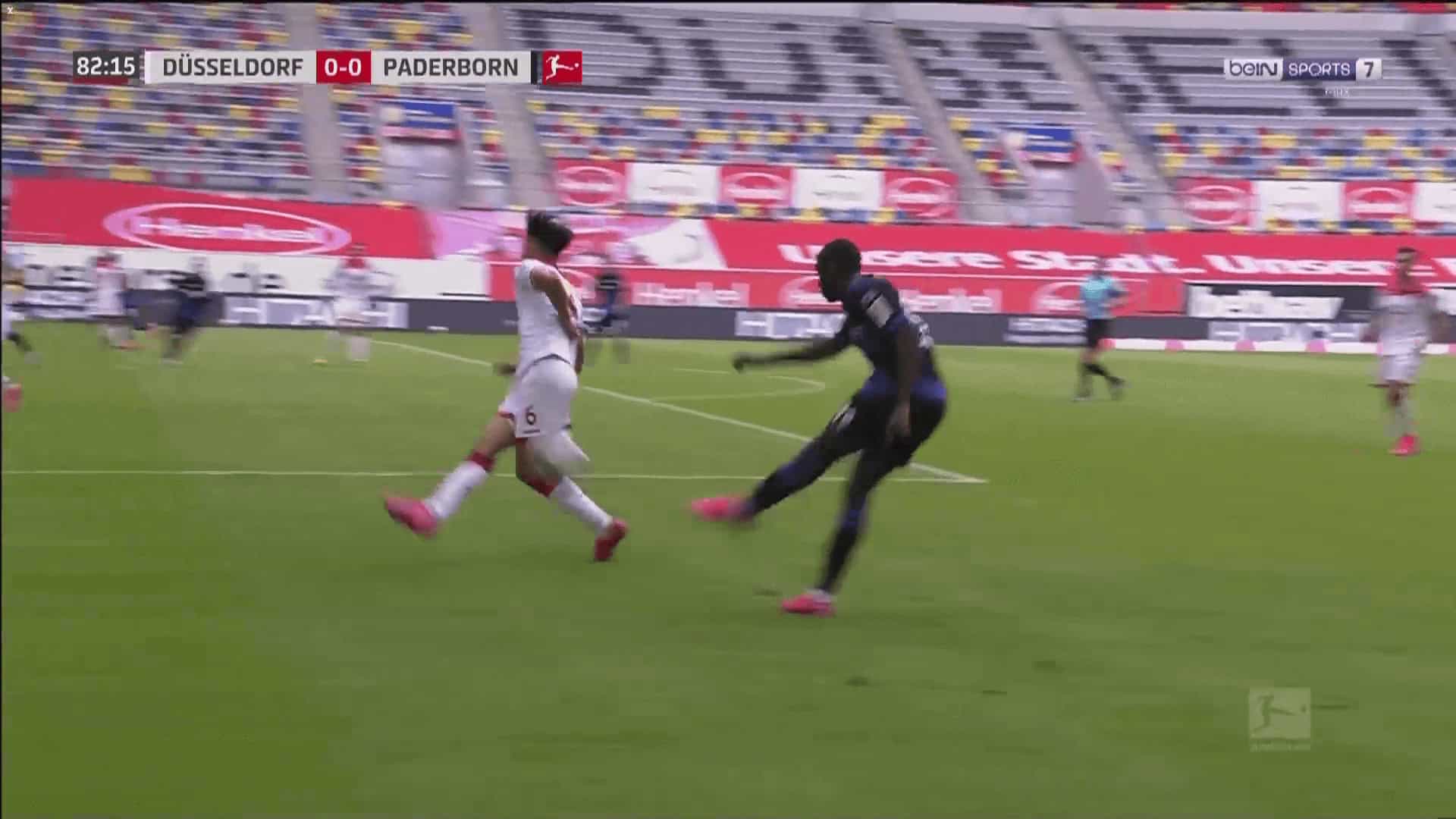
In reality, however, we often also see 1v1 situations out wide.
In this case, the defender must execute the basic principles of a defensive duel, such as focusing on the ball rather than the opposition's movements.
By getting closer to the ball and staying in a frontal or diagonal position towards the ball rather than sideways, the defender can screen a greater area.
Clearances
A well-organised defensive setup might enable defenders to win the first ball; nevertheless, the clearance is important as well.
The most important aspect of clearances is to clear the ball into less dangerous areas and, ideally, into space where defenders can rather than attackers dominate.
Because even if a space is empty, there is still a certain probability of an attacker or defender reaching the ball first.
Data analysts use so-called Voronoi diagrams to divide the space into zones around each player, allowing them to visualise how much space each player dominates.