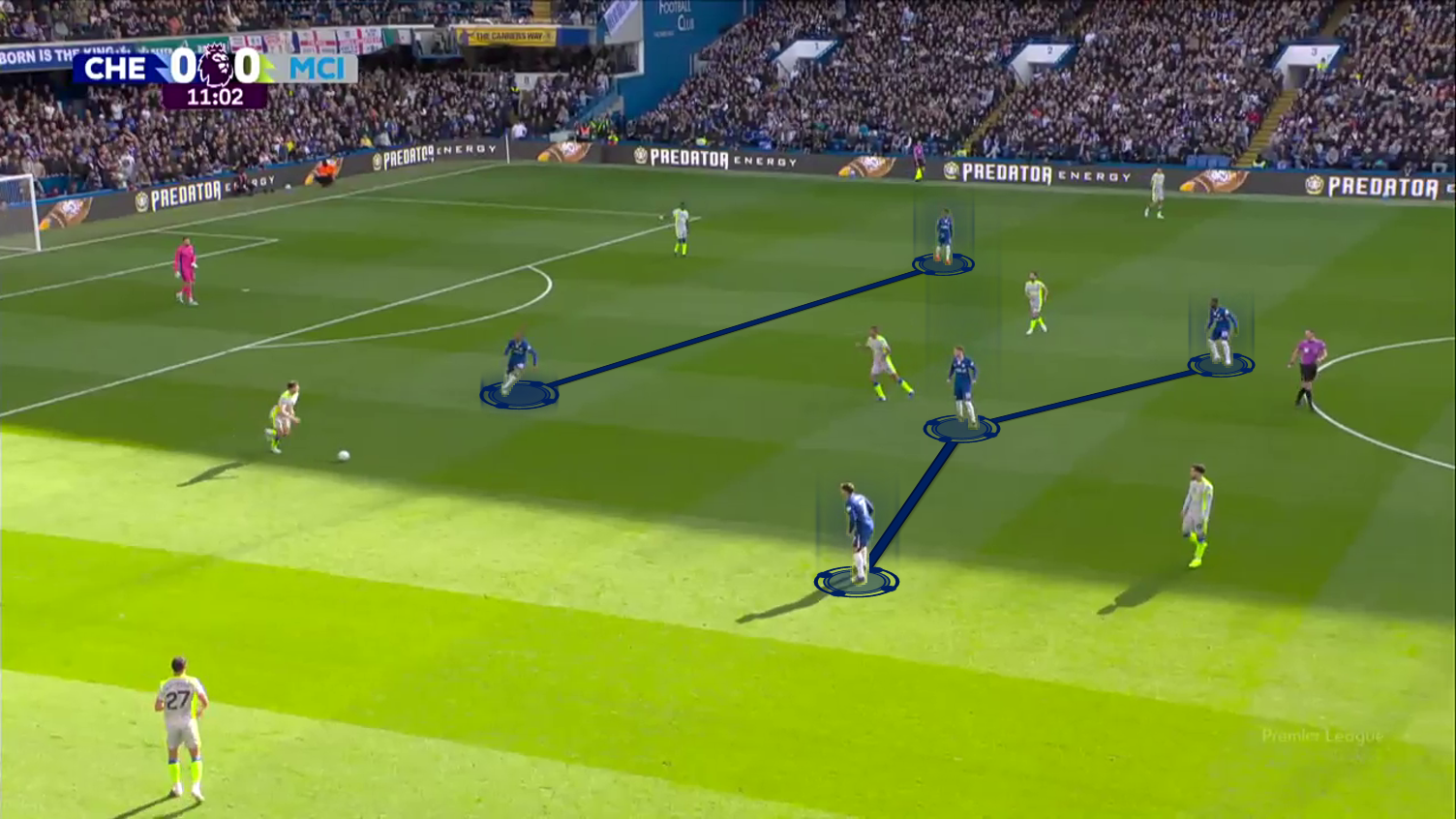

Liam Rosenior Tactics At Chelsea 2025/2026: Did He Deserve The Sack? – Tactical Analysis

Chelsea made the decision to sack Liam Rosenior after losing seven of the last eight matches.
Football can be a cruel business, but it is, in the end, a results-based business.
Rosenior was only hired on the eighth of January from Chelsea’s sister club, RC Strasbourg, and really wasn’t given enough time to make his mark.
The sacking isn’t shocking given Chelsea's history.
They are stuck in the same cycle of rotating manager after manager without ever representing that there is a clear plan for the future.
In their first match without him, Chelsea won 1-0 over Leeds United in the FA Cup semi-finals, but it was hardly an impressive performance.
In this tactical analysis, we look back at Liam Rosenior tactics while he was in charge, along with some data, to see whether his sacking was fair.
Liam Rosenior In-Possession Tactics
Liam Rosenior didn’t make wholesale changes to what Enzo Maresca had set up at Chelsea.
He simply changed the Blues' levels of aggression, which made them much more dangerous in possession.
Under Maresca tactics, Chelsea were often too focused on control and playing through the middle of their opponents.
While Rosenior maintained some of those tactics, he also strongly encouraged Chelsea to be very aggressive with their passing.
The match that showed, more than anything else, was their 4-1 win over Aston Villa.
Time and time again, Chelsea was looking to make passes in behind Aston Villa’s high line, and it worked to perfection.
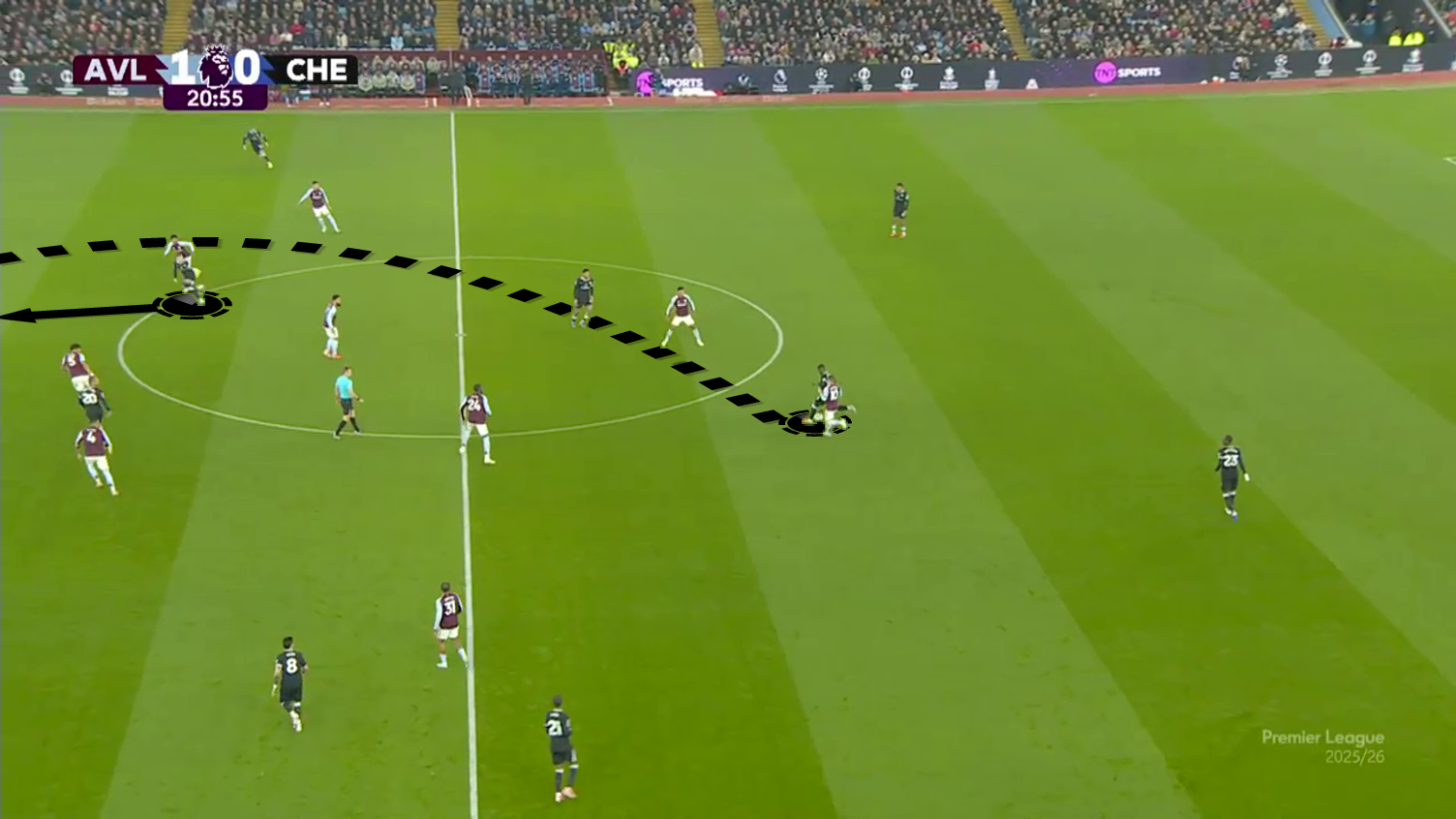
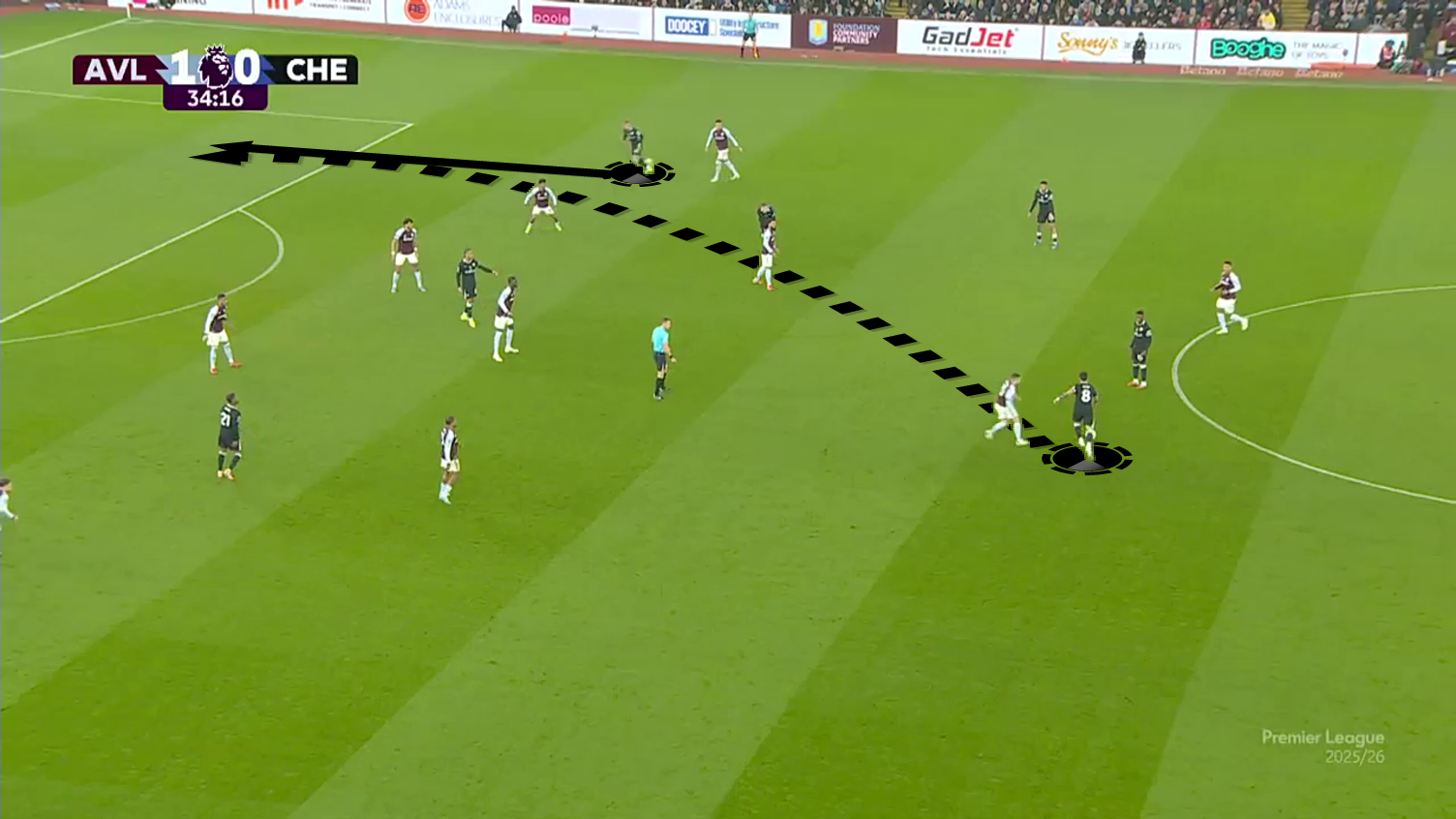
Chelsea ended up with one of their highest xG outputs under Rosenior, but as teams started to sit off a little, that space wasn’t available.
However, even when teams fell back into low blocks, Chelsea remained very aggressive.
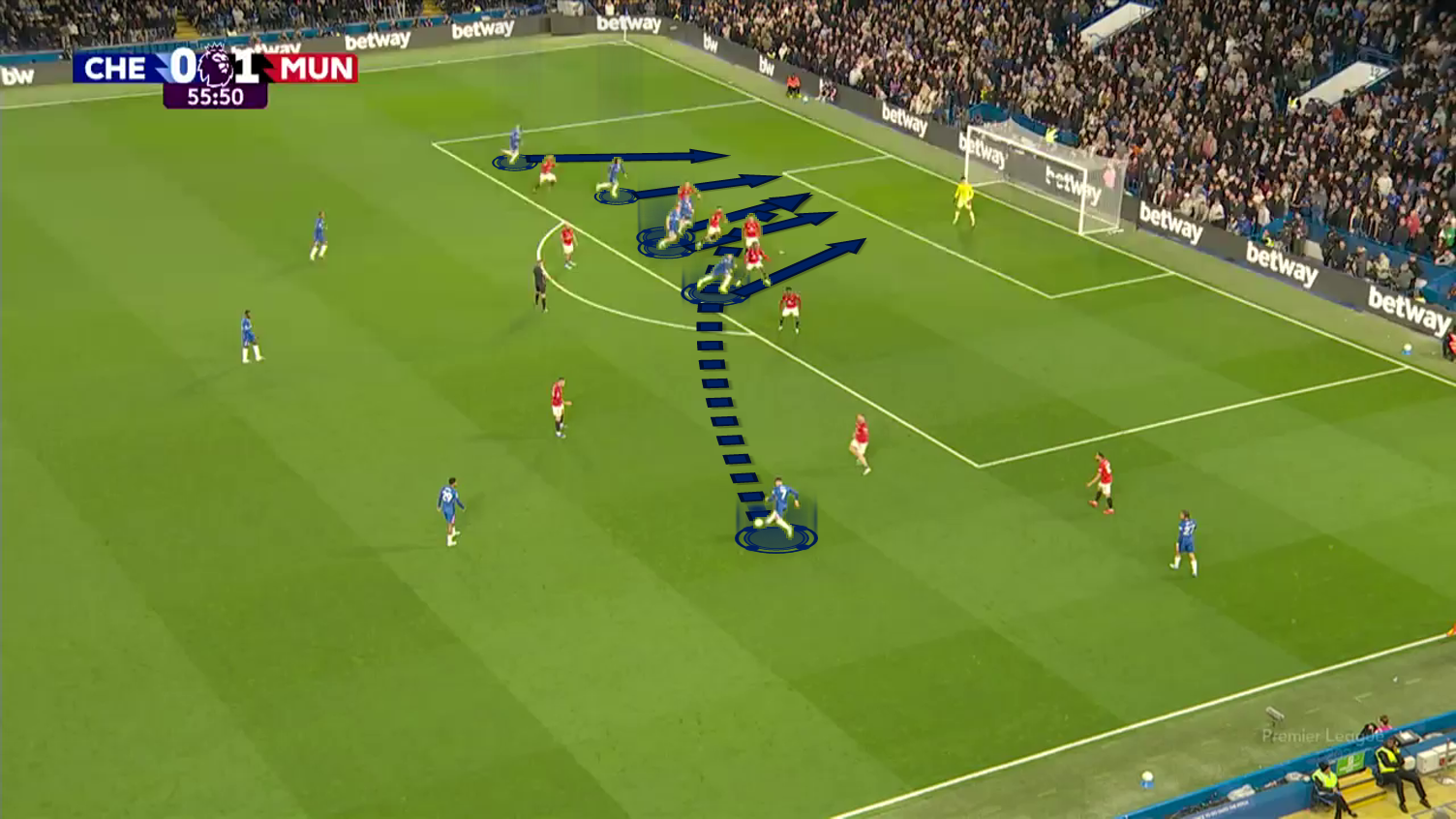
Here, against Manchester United, they pushed five players into the box and fired a cross to the back post; Liam Delap won a header, but it hit the crossbar.
Quick transitions were also a key part of Rosenior’s tactics.
He initially wanted the Blues to build out of the back, but wanted to use that build-up to quickly move the ball forward.
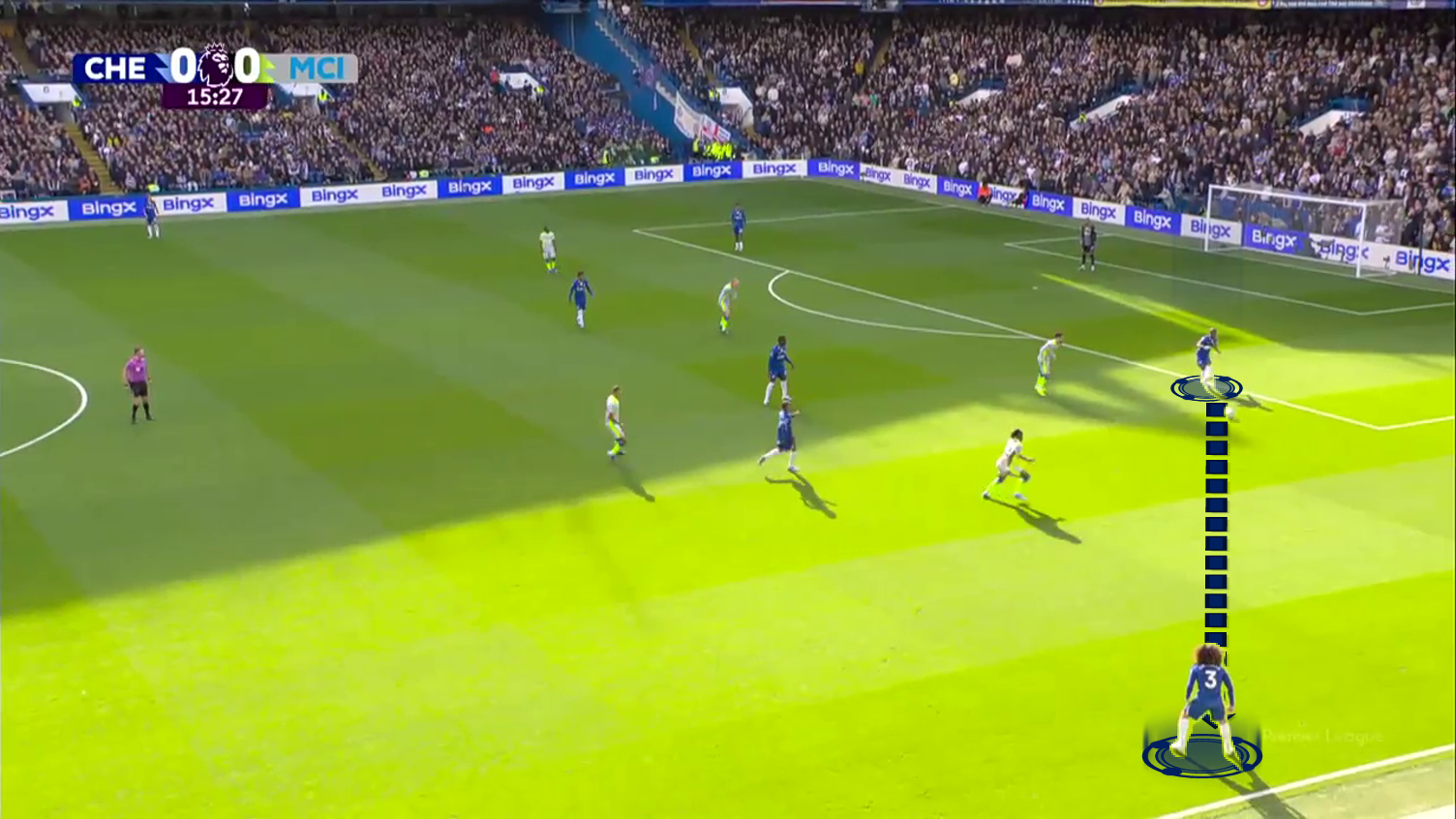
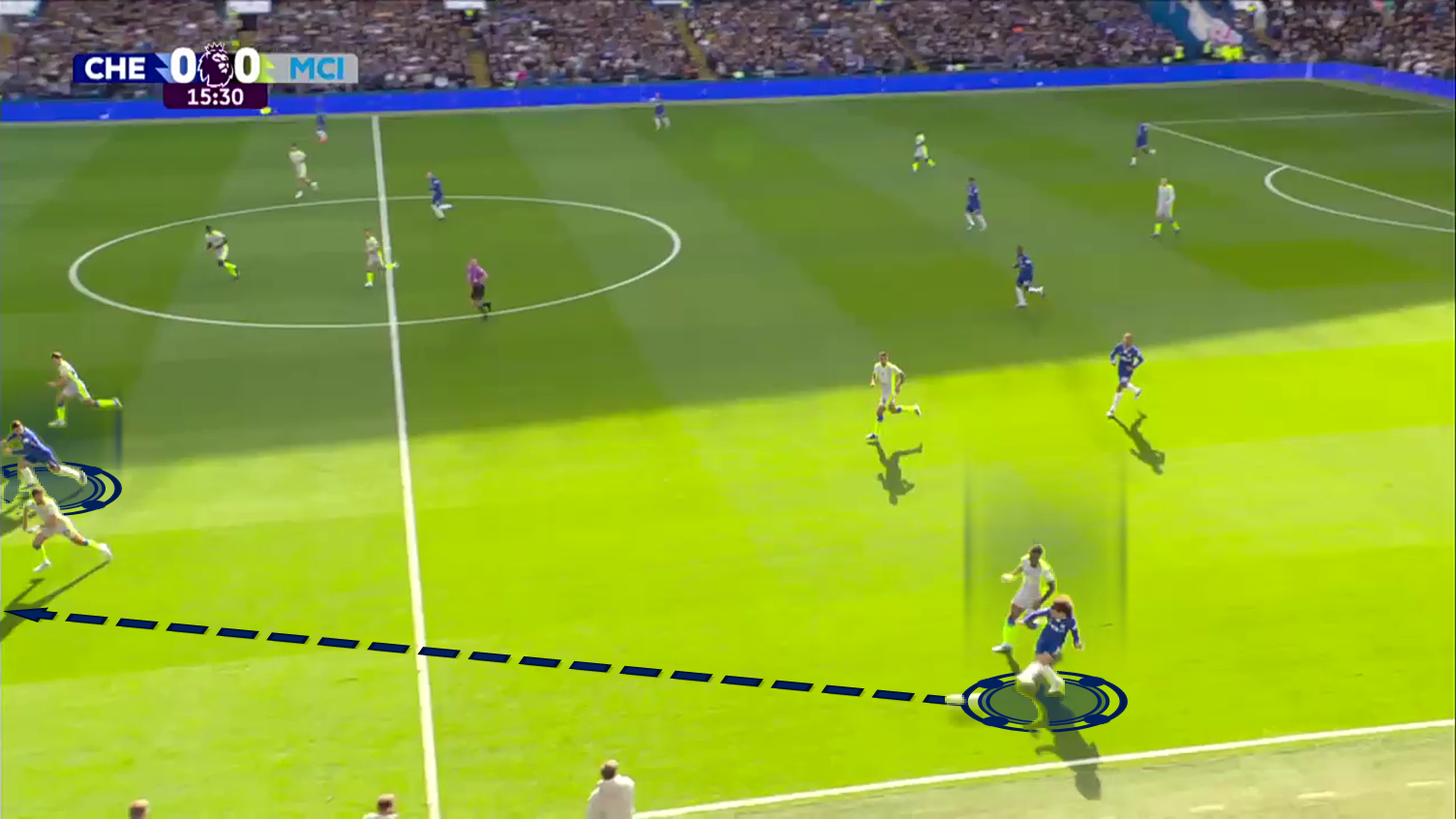
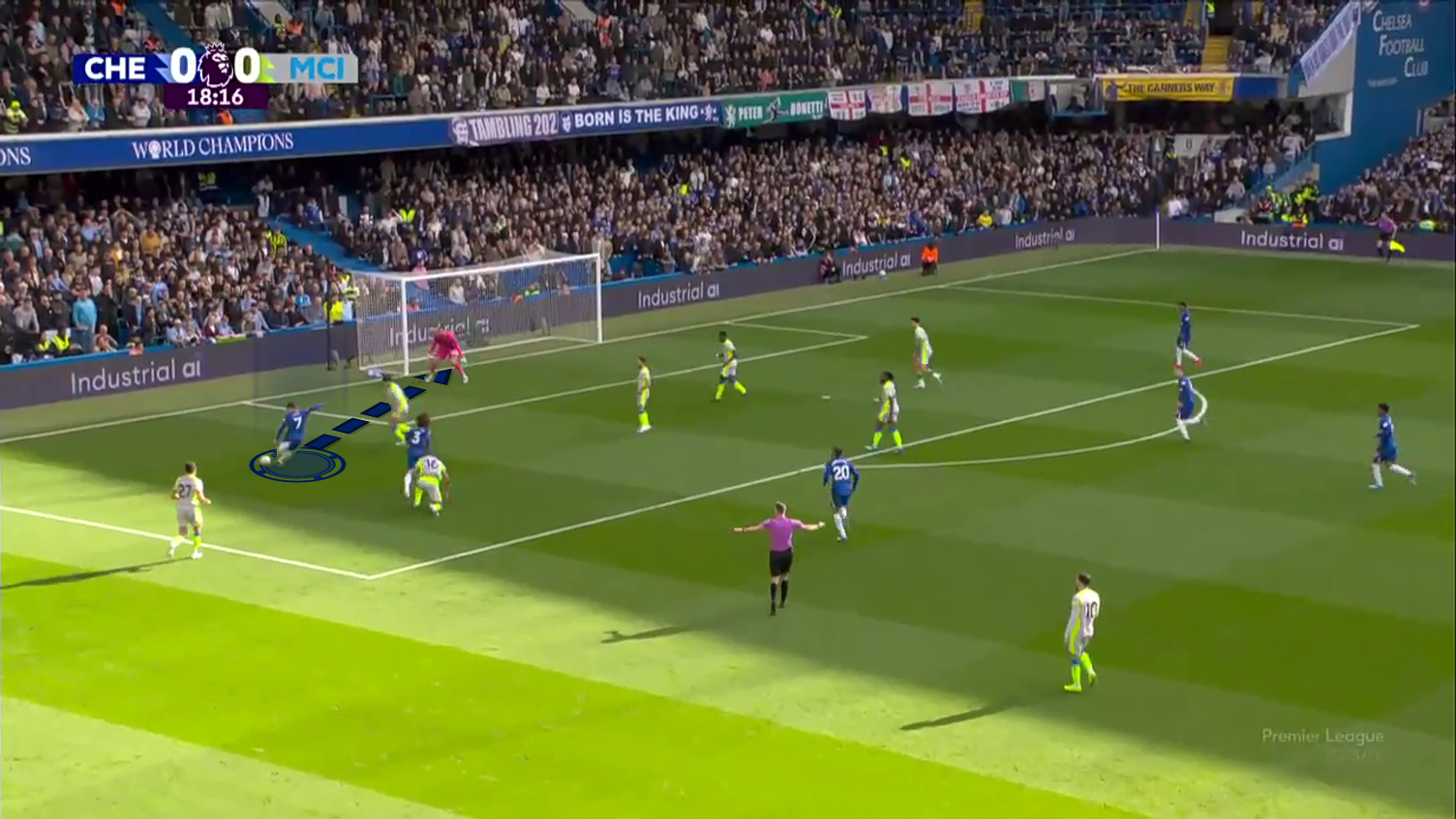
Here are a couple of examples of their match against Manchester City.
Man City are defending in a 4-2-4, trying to take away any passes through the middle or out wide.
However, Chelsea are able to get a pass out wide to Marc Cucurella, who immediately pushes the ball forward and finds Pedro Neto making a run off the backline.
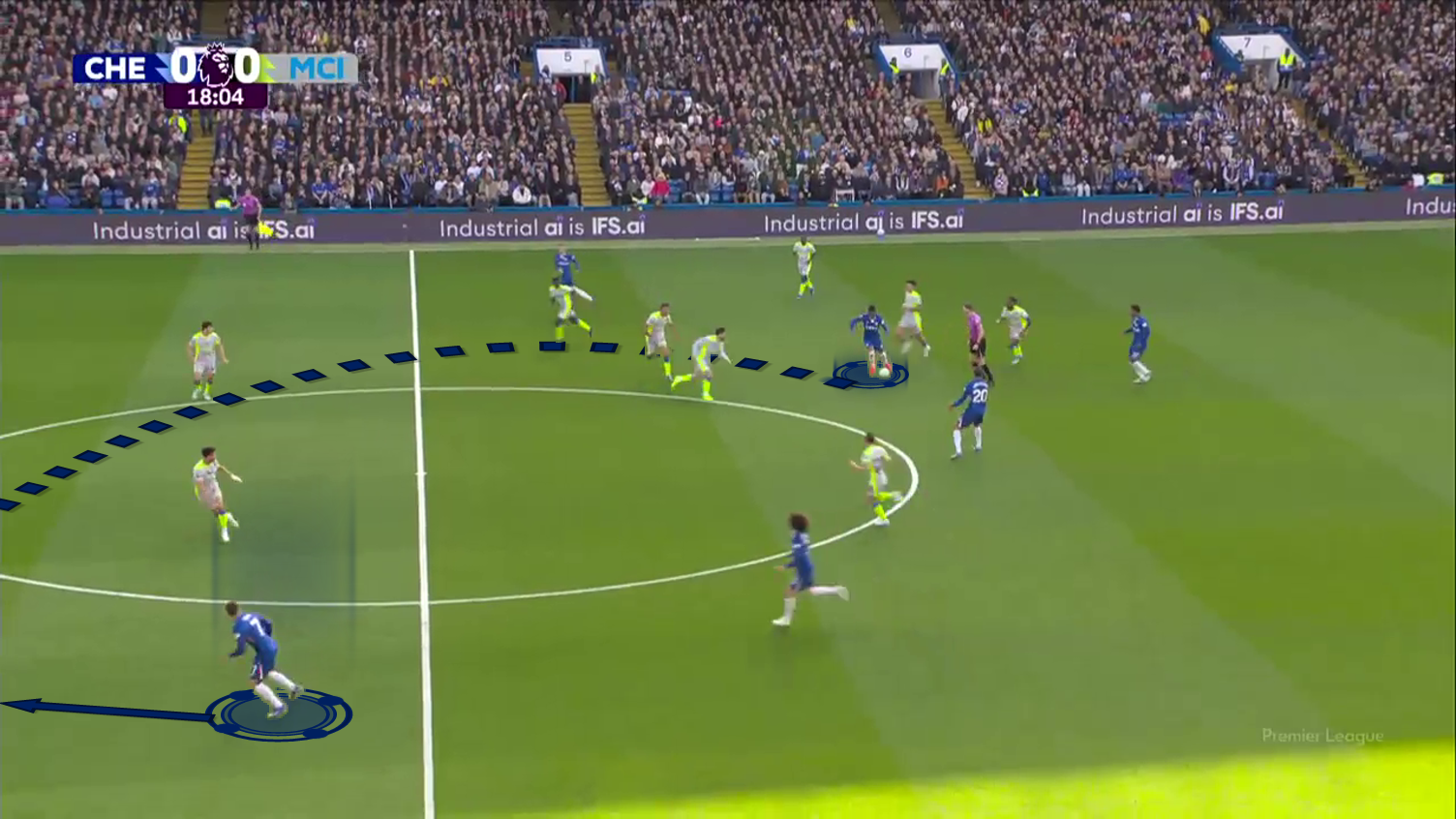
Here, Chelsea win the ball in their own final third and immediately looks to play a ball in behind.
Estêvão plays it over the top to Neto, which sets up a decent shot on target.
Rosenior didn’t stick to a strict build-up formation and would often adjust based on how the opposition defended.
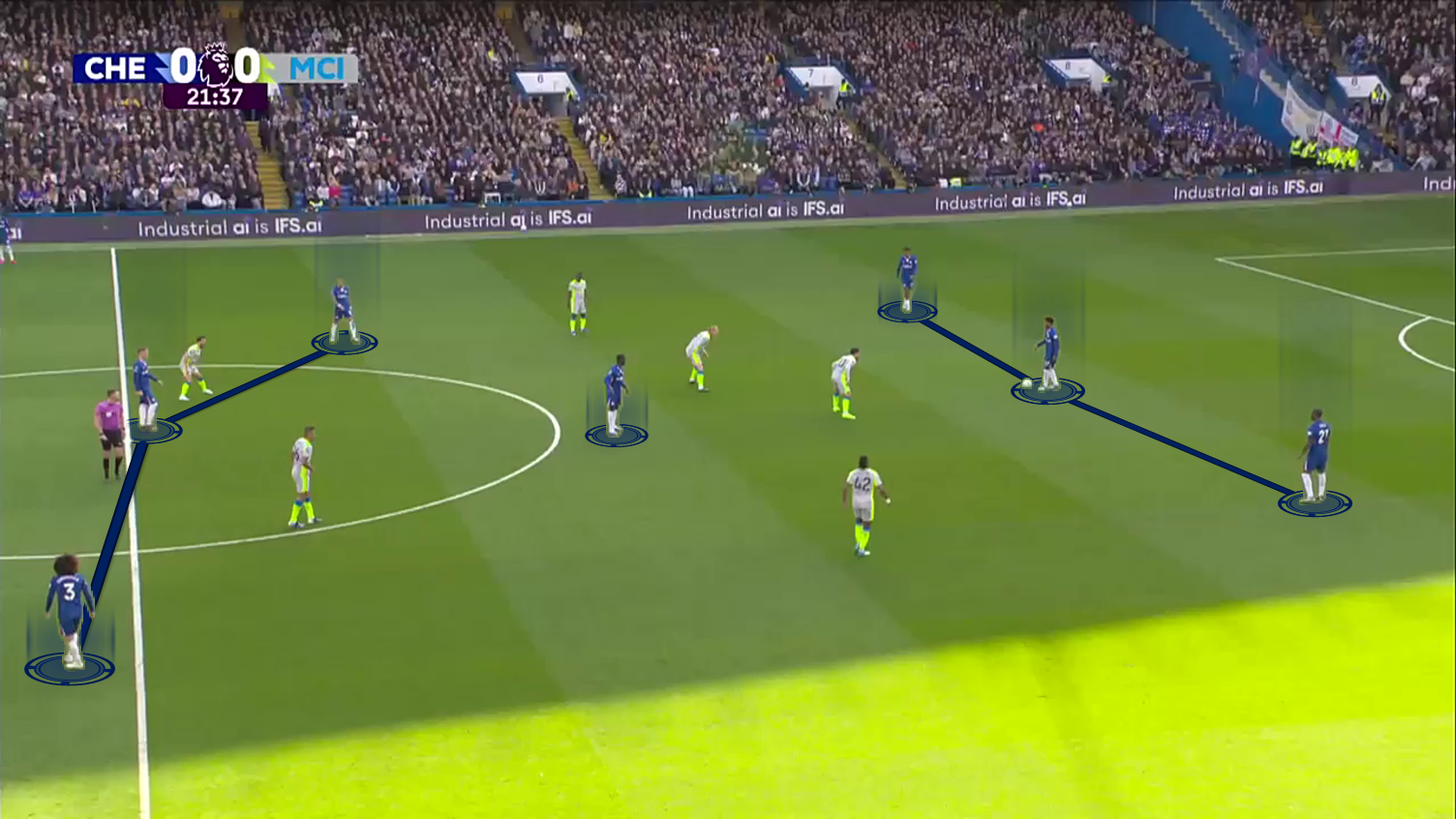
A good example of that happened early on in their match against Manchester City.
Chelsea were initially building out in a 4-2-4, but once Rosenior recognised that their build-up would face the same problems Arsenal had in the EFL Cup, he switched things up to try to play through the middle.
Here, both Malo Gusto and Cucurella invert, while Andrey Santos drops into the back line to create a 3-1-3-3 build-up, which in turn gives Chelsea a 7v6 overload to play through the middle.
These were the types of in-match changes Rosenior made, along with his constant push for Chelsea to be more aggressive, which made Chelsea the best offensive team in the Premier League during his tenure.
Liam Rosenior Out Of Possession Tactics
Under Rosenior, there was a clear switch in Chelsea’s defensive tactics.
Unlike Maresca, Chelsea didn’t press high with much aggression because Rosenior realised aggressive man-to-man pressing wasn't a strength, given the personnel he had available.
Instead, he had them press in a zonal 5-3-2 or 4-4-2, but it was never particularly aggressive, with the focus on avoiding exposure over the top or through the middle.
Here is an example of their high 5-3-2 block against Manchester City.