Rodri Scout Report At Barcelona 2026/2027: How Can The World’s Best No. 6 Enhance Hansi Flick Tactics? - Player Analysis
Rodri has joined Barcelona after helping Spain win the 2026 World Cup. This scout report analyses his tactical role, control, defensive positioning and rest defence, as well as why his qualities make him an ideal fit for Hansi Flick’s system.

Who Is Rodri?
The summer transfer market is often shaken by major moves, but few transfers possess the systemic significance and symbolic weight of Rodri's arrival at FC Barcelona.
After crowning himself World Champion with Spain, winning the 2026 FIFA World Cup Golden Ball, and categorically rejecting a formal proposal from Real Madrid, the Madrid-born central midfielder has made the decision to put himself under the command of Hansi Flick.
With the signing of the best No. 6 on the planet, we find ourselves before a true statement move on the European football map, one of those tectonic shifts that can end up defining and articulating a dynasty.
Barcelona were already a hyper-competitive machine, featuring a voracious identity and a devastating offensive output under their German manager.
However, in scenarios of maximum continental demand, the team exhibited a narrow crack of vulnerability associated with its very nature of extreme risk-taking.
This Rodri scout report and player analysis examines why Rodri’s arrival in Catalonia does not fundamentally alter the Blaugrana model, but rather rounds it off, granting it a structural solidity that transforms a winning team into a potentially impregnable ecosystem.
Control Of The Axis & Interior Tempo
To understand Rodri's dimension in the attacking phase, one need only look back at the mastery displayed during his prime campaigns as part of Pep Guardiola's Manchester City and Luis de la Fuente's Spanish National Team.
Rodri is the contemporary personification of the classic central midfielder who inhabits the axis of the pitch with a core mission: administering ball circulation according to the exact requirements of positional play at any given moment, whether executing horizontal switching passes to shift the opponent or vertical balls to break lines.
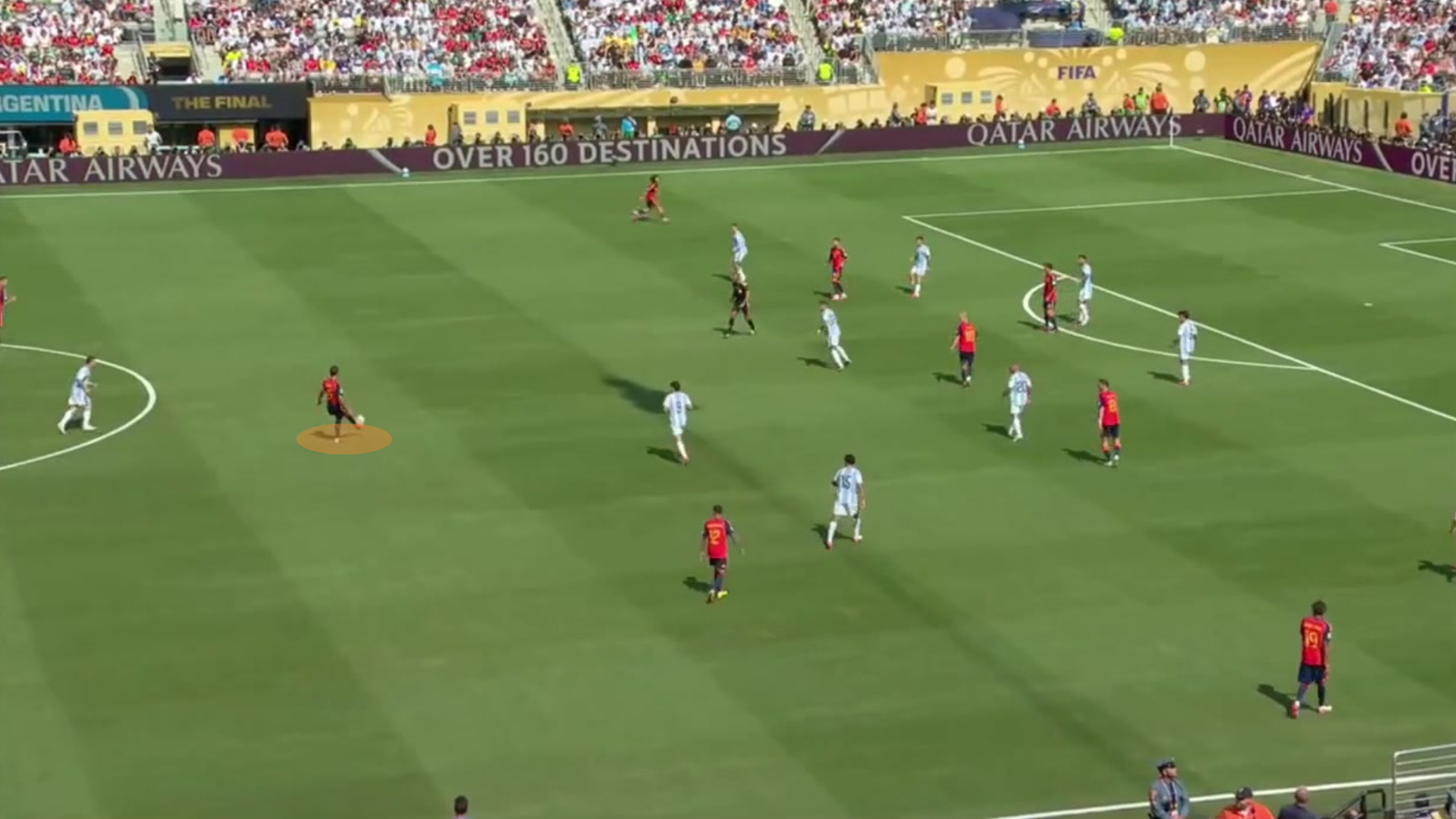
His fit into FC Barcelona’s model, an ecosystem that prioritises establishing the block in the opponent’s half and accumulating passes through interior channels, is of surgical compatibility.
Within this positional play model, Rodri's role transcends that of a mere distributor.
His true differential value lies in a staggering football IQ, focused on continuously feeding his teammates' receptions between the lines and keeping collective circulation alive.
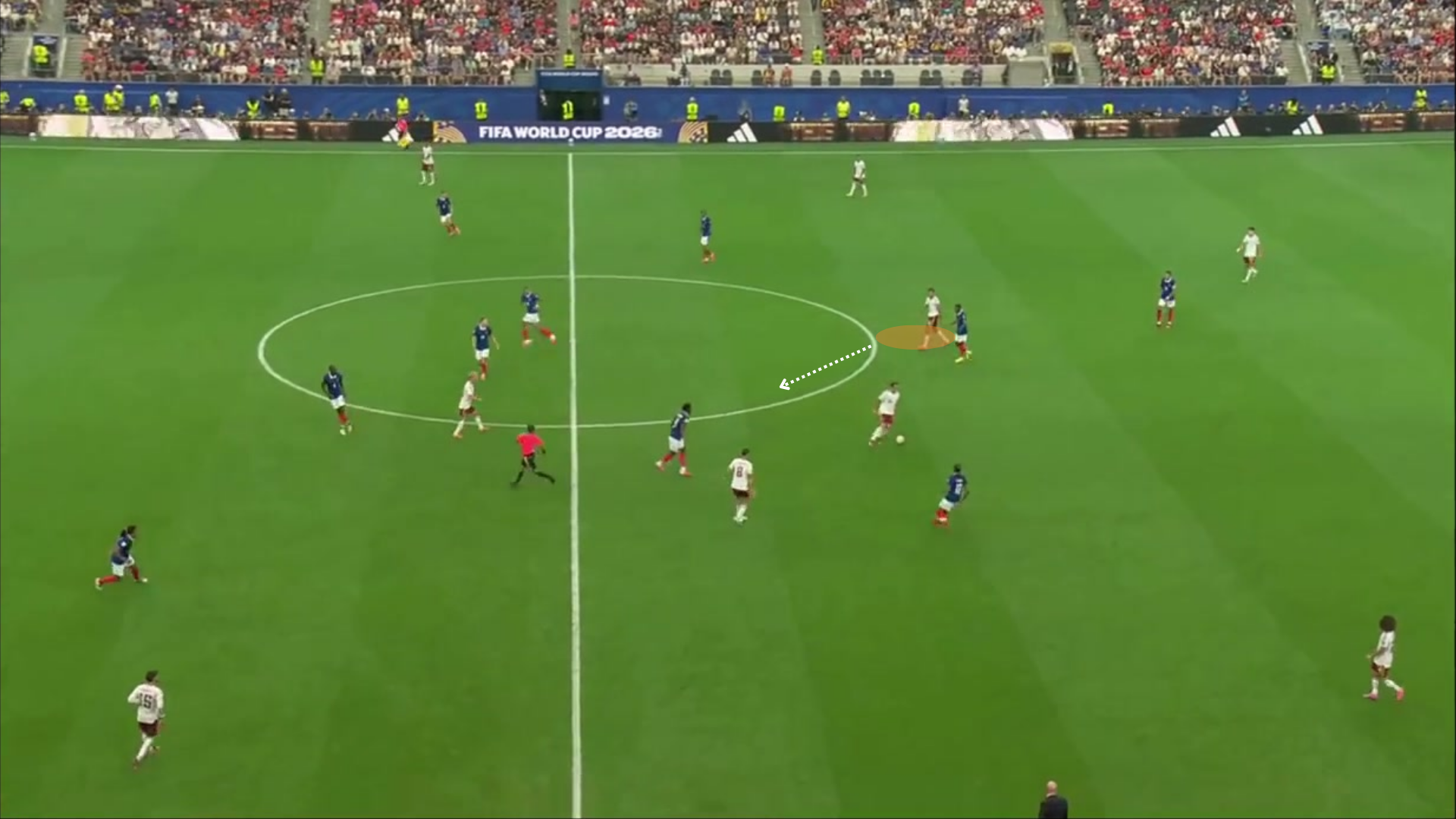
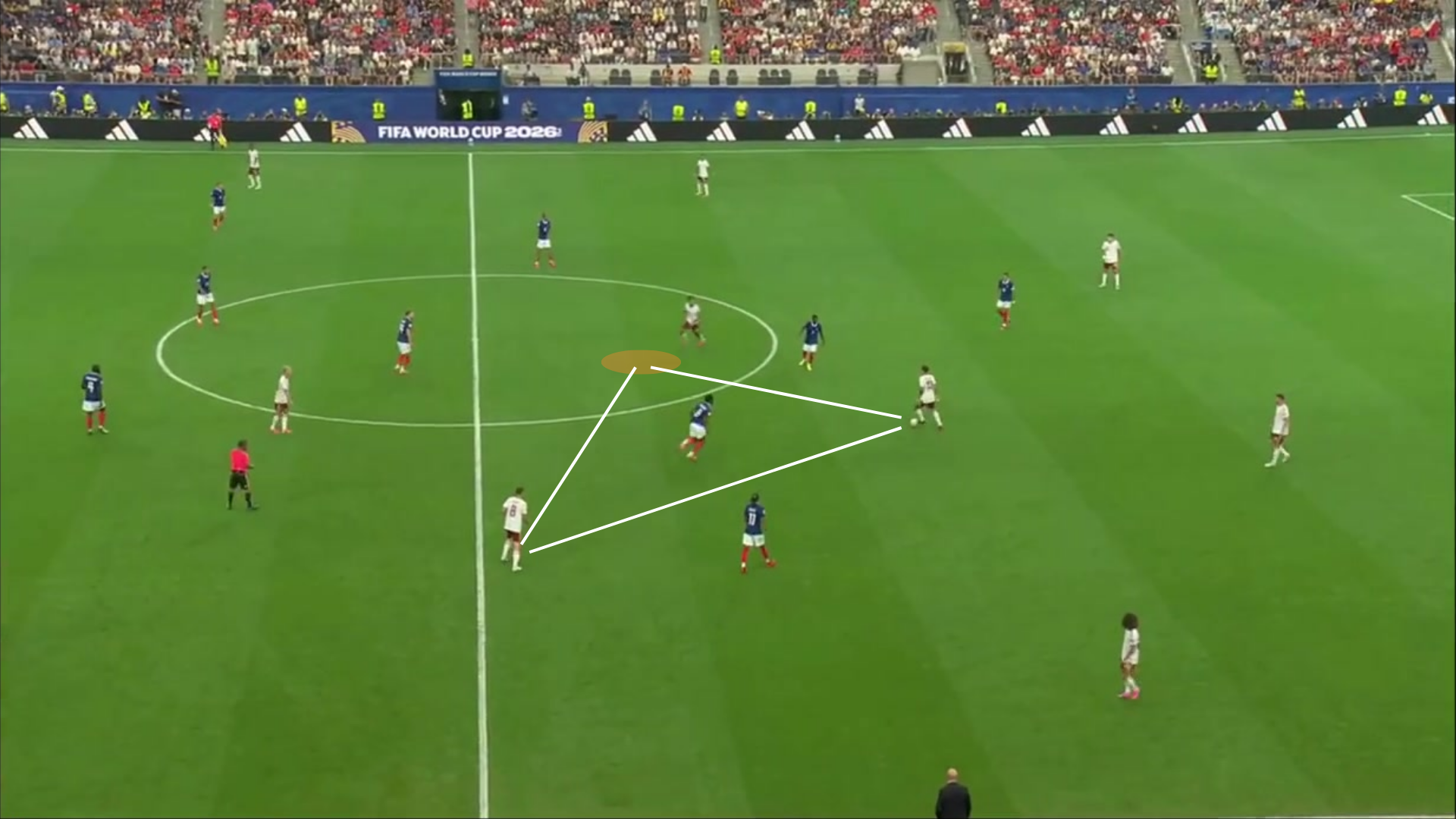
If we draw an inevitable comparison with his ideal predecessor in the club's history, Sergio Busquets, tactical nuances of rich conceptual depth emerge:
- Pressure management and individual ingenuity: While Busquets was an unrivalled artist at escaping suffocating pressure in tight spaces through improbable turns, body feints over his supporting foot, and surgically risky line-breaking passes that instantly activated the third man, Rodri operates in a manner characterised by physical robustness, sustained tempo, and rational space occupation.
- Structuring triangles and interior tempo: Rodri compensates for any difference in acrobatic subtlety with a flawless volume of involvement and a colossal ability to dictate tempo.
He constantly generates passing triangles across the pitch, acting as a mandatory checkpoint on every shift.
His ability to adjust the speed of the ball ensures the Blaugrana attack maintains the exact tempo required by the play. - Micro-scans and the art of being the free man: Before receiving, Rodri executes constant neck turns (scanning his surroundings) to detect the opponent's pressure shadow.
Through short, two-to-three-metre movements, he positions himself precisely outside the presser’s passing lane to consistently offer himself as the free man at the base of the play.
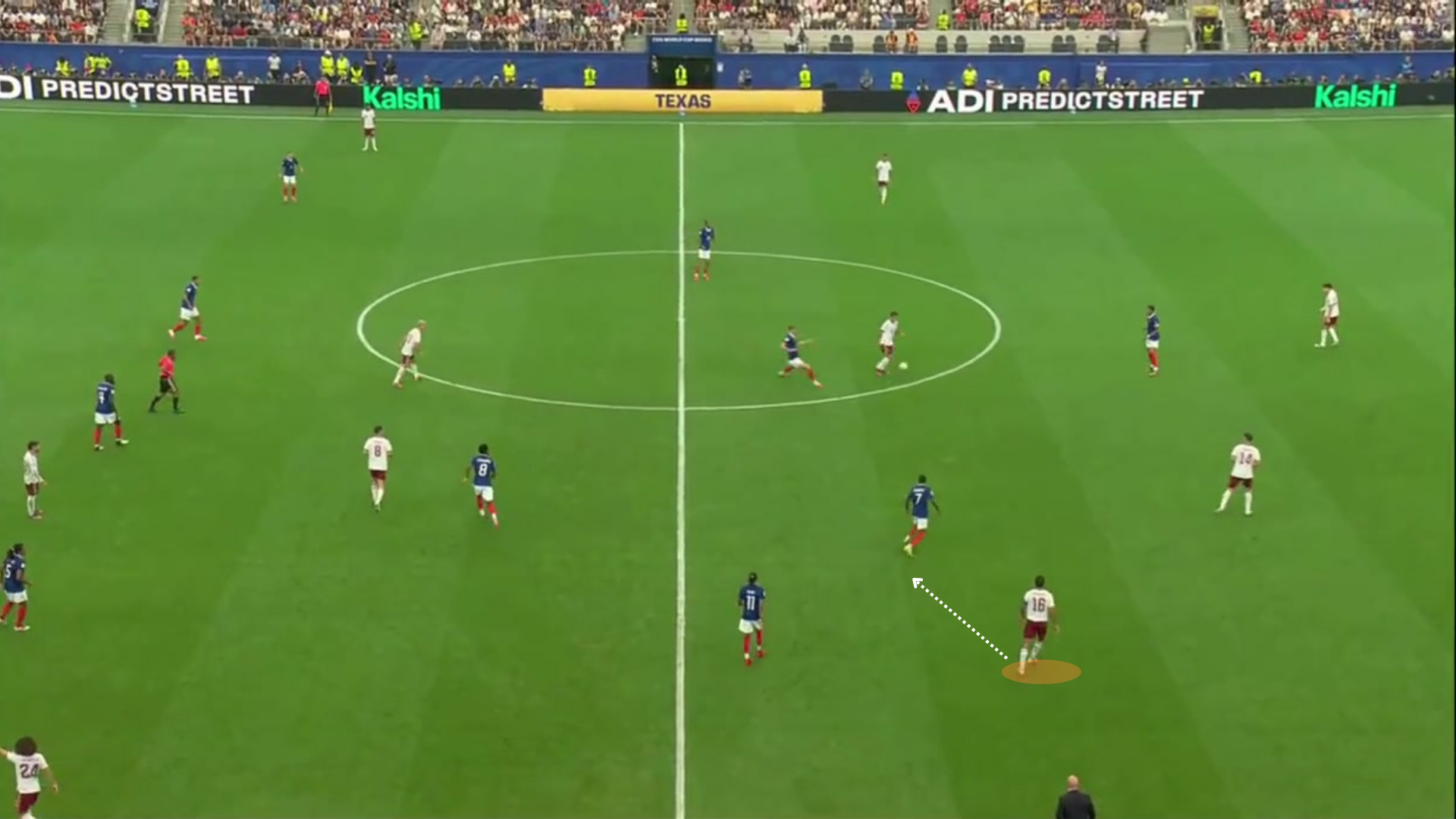
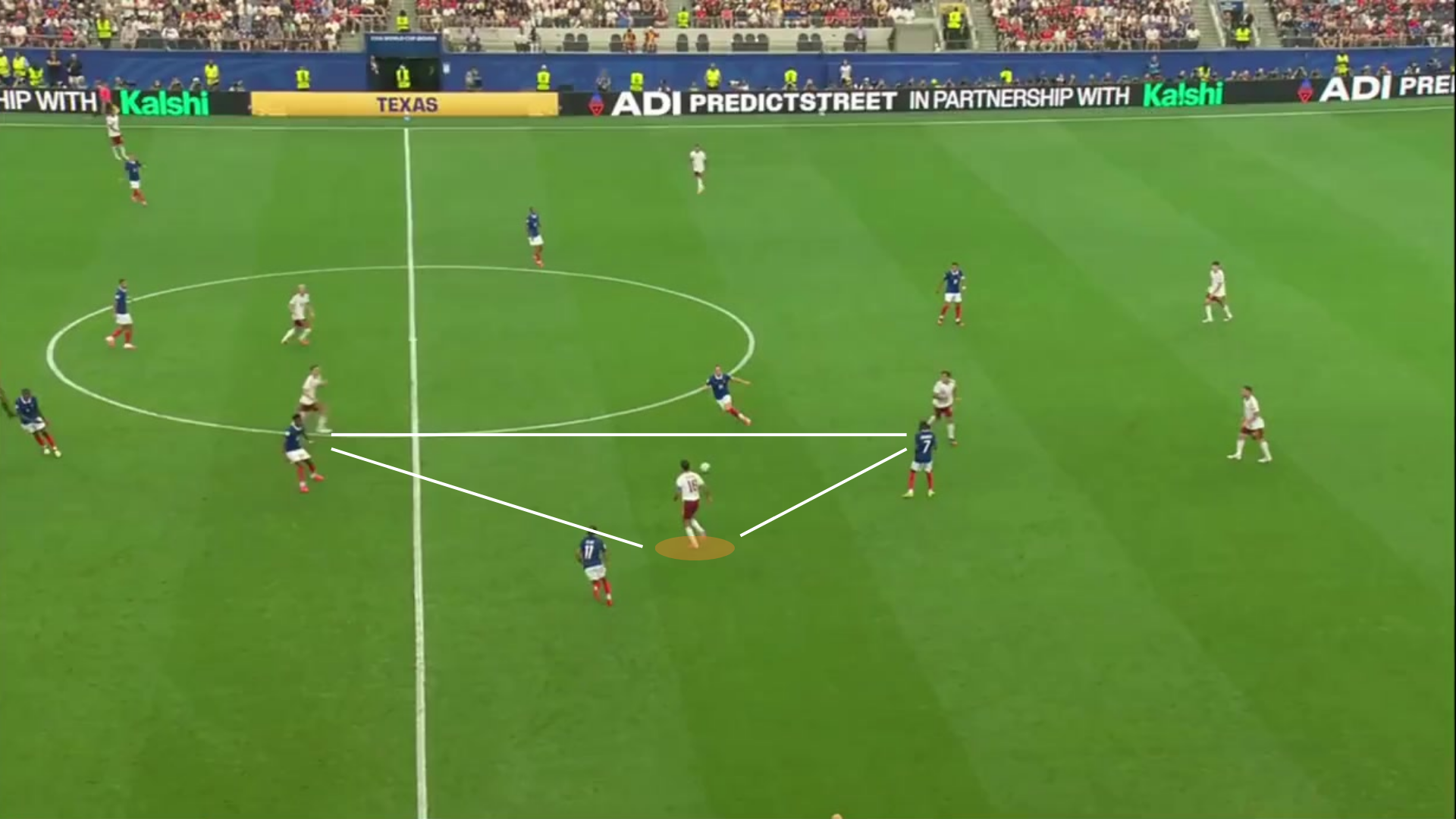
This discipline in anchoring the base allows teammates to push higher up the pitch with the absolute certainty that the structure remains protected and always ready to restart circulation when the opposition block closes off penetration routes.
The Structural Defensive Leap
Although Rodri's associative brilliance in the opposition half is a mathematical certainty, the true tactical revolution that Hansi Flick's FC Barcelona will experience will not be measured in completed passes, but in the radical mutation of their off-the-ball behaviour.
Flick's Barcelona have established themselves as the most aggressive side in Europe: a block that suffocates opponents through relentless pressure, an overwhelming attacking tempo, and a defensive line positioned nearly 50 metres from their own goal, playing on the edge both with and without the ball.
However, this high-voltage approach carries a severe physical and spatial toll.
Whenever the opponent managed to bypass Barcelona's initial pressing wave, they were frequently forced to 'defend backwards' in recovery sprints behind their midfielders.
In these disorganised defensive transition scenarios, the Barça backline was left exposed in open-field duels and suffered structural breakdowns that ultimately proved costly on the scoreboard.
This is where Rodri delivers a colossal leap in structural quality.
He is not merely an orchestrator in possession; he is, above all, the supreme master at managing the defensive phase while his own team is still attacking in the opponent's half.