Zlatko Dalić Tactics At Croatia 2026: Can The World Cup Specialists Go Deep Again? – Tactical Analysis

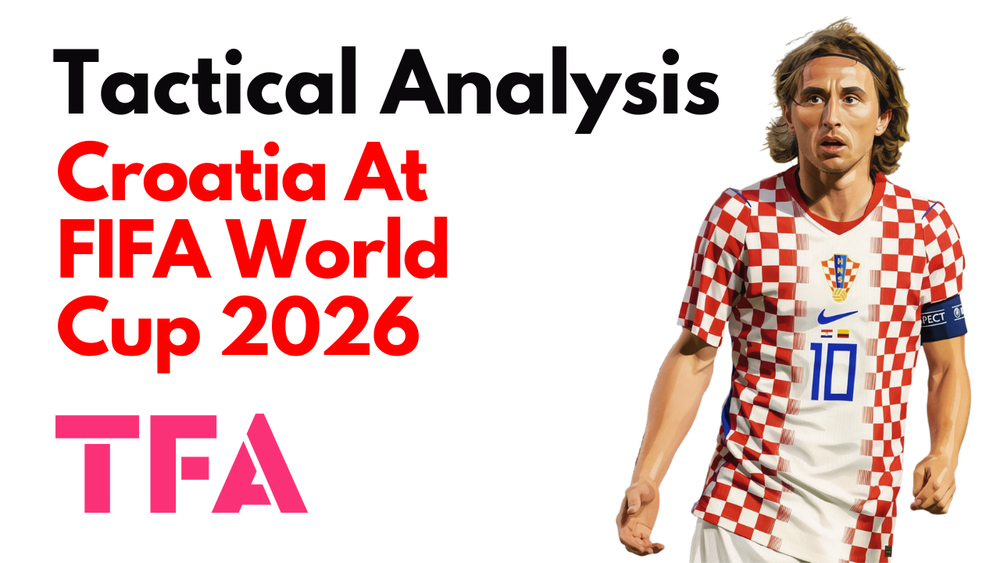
Coming off reaching the finals in 2018 and the semi-finals in 2022, Croatia are looking for another deep run in North America this summer.
The golden generation of the Croatian national team is more than likely going to come to an end after this World Cup.
The core from the last two World Cups of Luka Modrić, Ivan Perišić, and Andrej Kramarić are on the back end of their careers, but there is a new crop of young talent that will keep Croatia competitive for years to come.
Zlatko Dalić has been in charge since 2017 and has implemented a very successful tactical foundation that makes Croatia incredibly difficult to beat in a knockout tournament.
Croatia will be tested out of the gates at this World Cup, taking on England in game one, but should easily make it to the knockout stage.
In this Croatia tactical analysis, we look at Zlatko Dalić tactics used both in and out of possession, along with some of the key players in this Croatian side.
Zlatko Dalić In-Possession Tactics
What makes Croatia so difficult to play against is that they have developed a really solid tactical foundation and built on it over the years.
It helps to have the same manager in charge and the same core for almost a decade, but Croatia can really match up with any team in the world because they are so versatile.
That versatility made them one of the best offences during World Cup qualifying, because they ranked in the top five in pretty much every category.
Croatia 2026 FIFA World Cup Qualification Stats
All stats are on a per-90-minute basis.
The fact that Croatia, during qualifying, averaged 70% possession and also had the second-most accurate long balls tells you everything you need to know about their versatility in possession.
Even though they were knocked out in the group stage at the most recent Euros, they still created 6.1 expected goals in their three matches, two of which were against Spain and Italy.
Croatia do have a couple of different formations they use, but their build-up from the back is typically a 4-2-4 with Mateo Kovačić and Modrić as the double pivot.
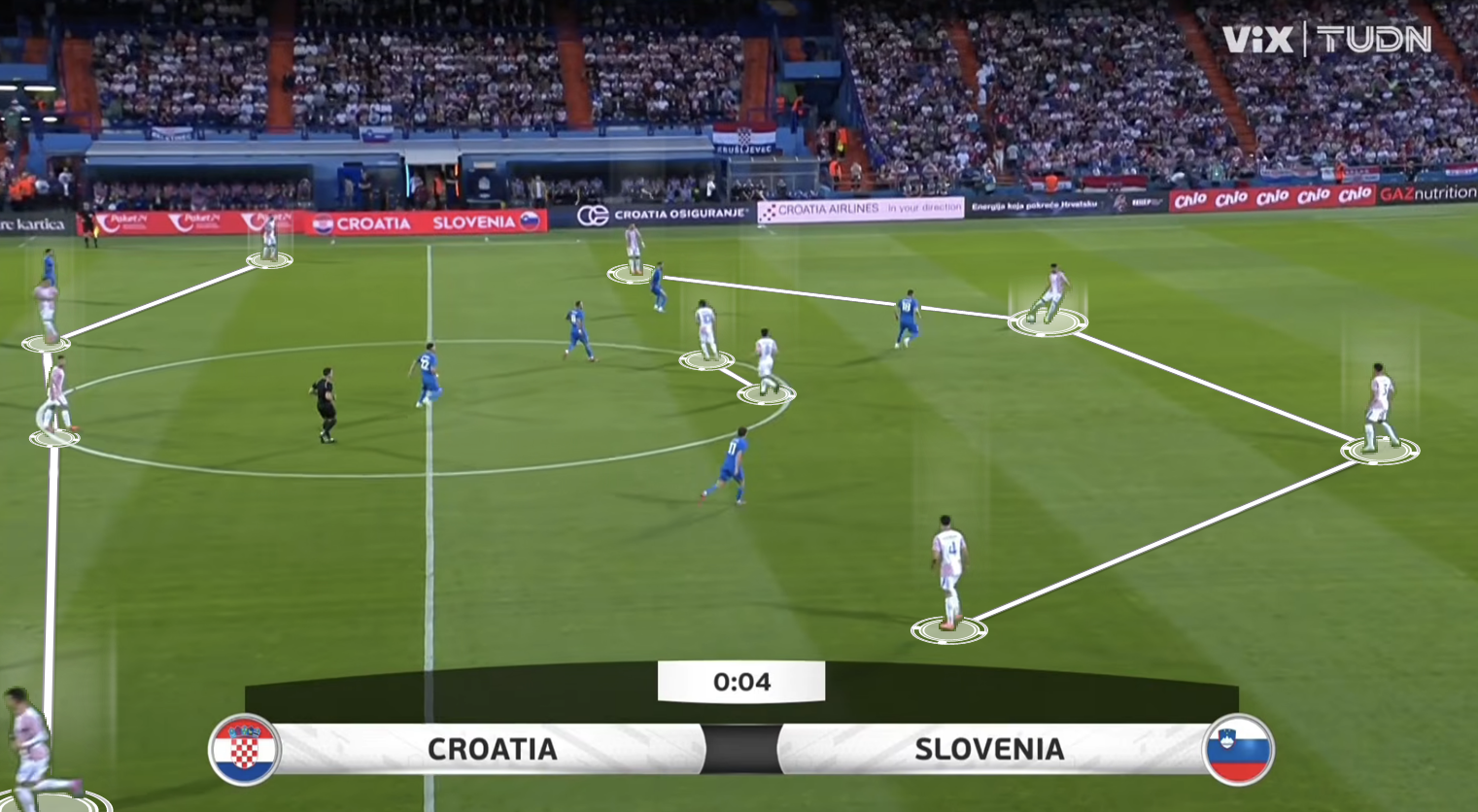
Pretty much everything in their build-up, though, runs through Modrić.
Even at age 40, he is still playing at a high level, controlling the tempo, making progressive passes, and even dropping into the backline to help Croatia build out from the back.
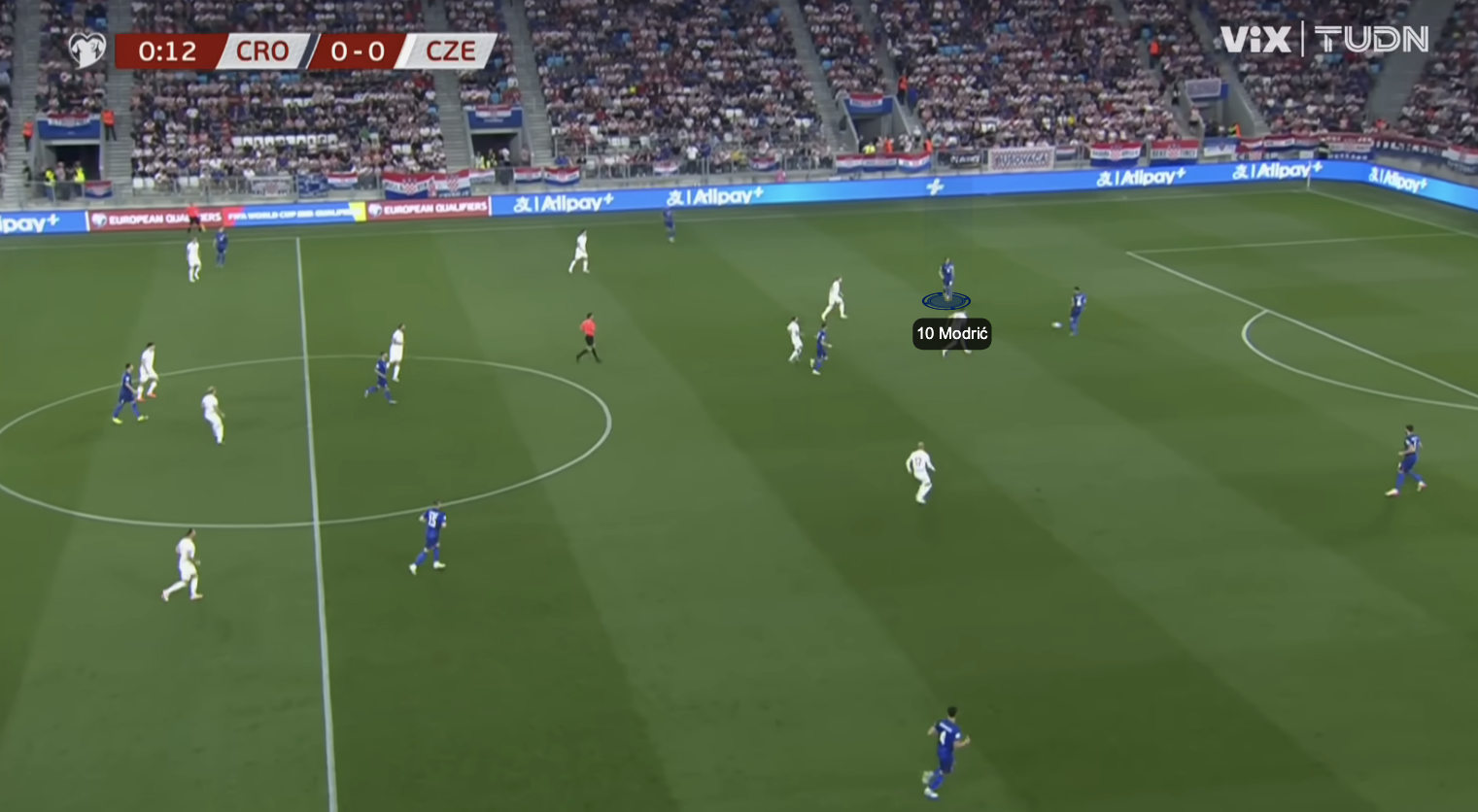
What you’ll often see is him roaming around trying to find pockets of space, but because he can operate anywhere, it makes it really difficult for the opposition to mark him.
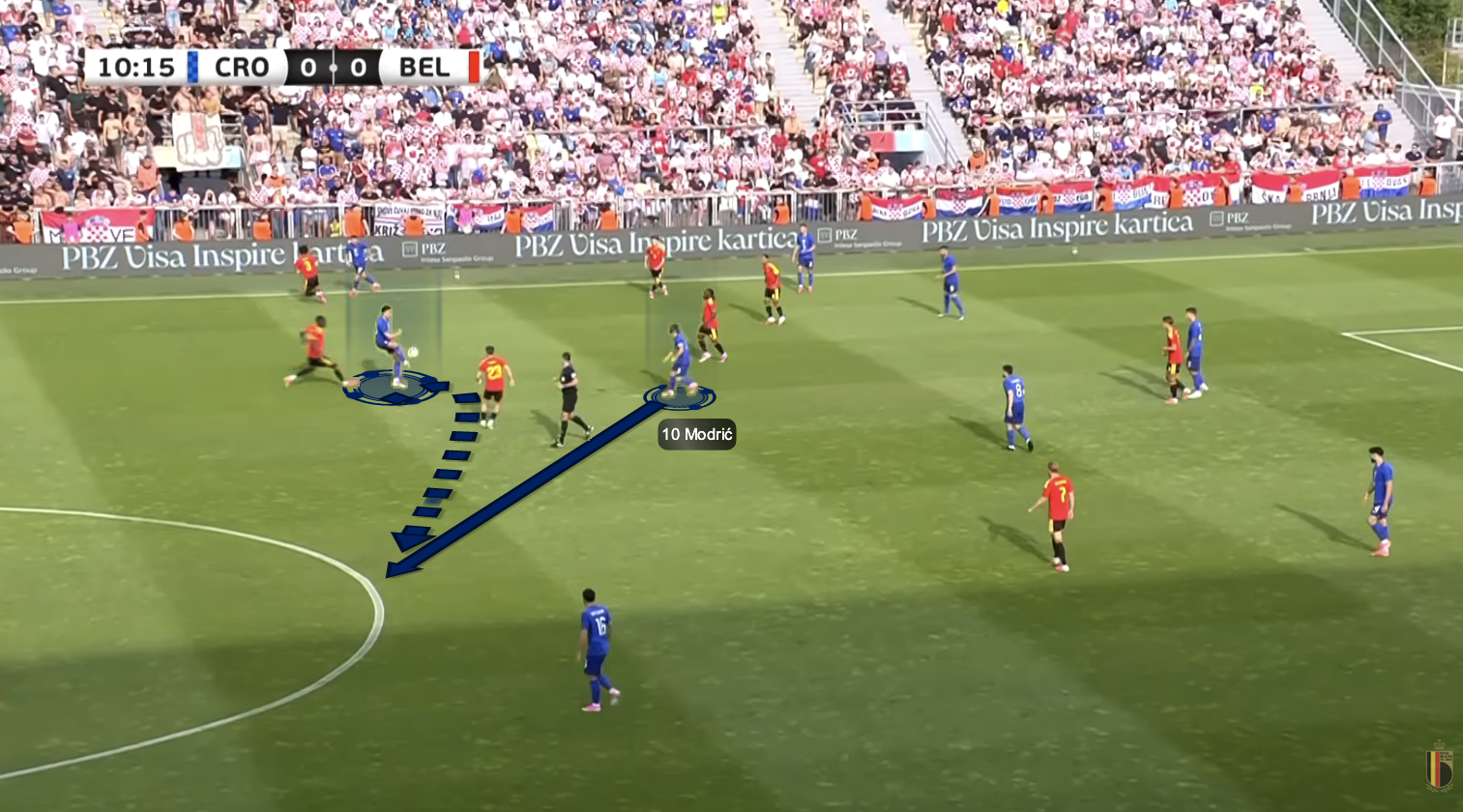
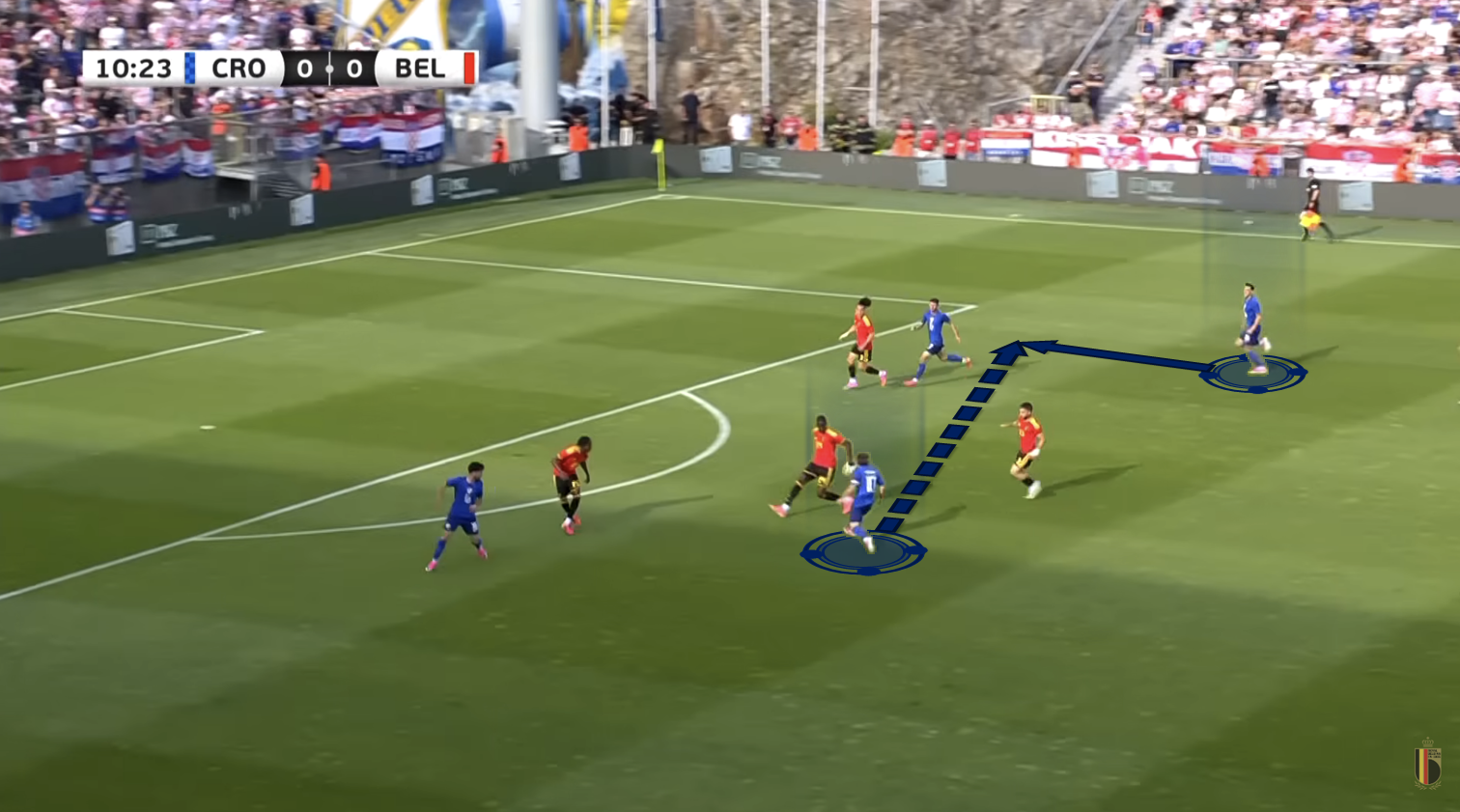
Even in the final third, he is so good at finding the pockets of space in the defence to not only supply the attack, but be the attack himself.
When Croatia reach the final third, they will typically build up in a 3-2-5, aiming to overload the opposition wherever they are weakest.
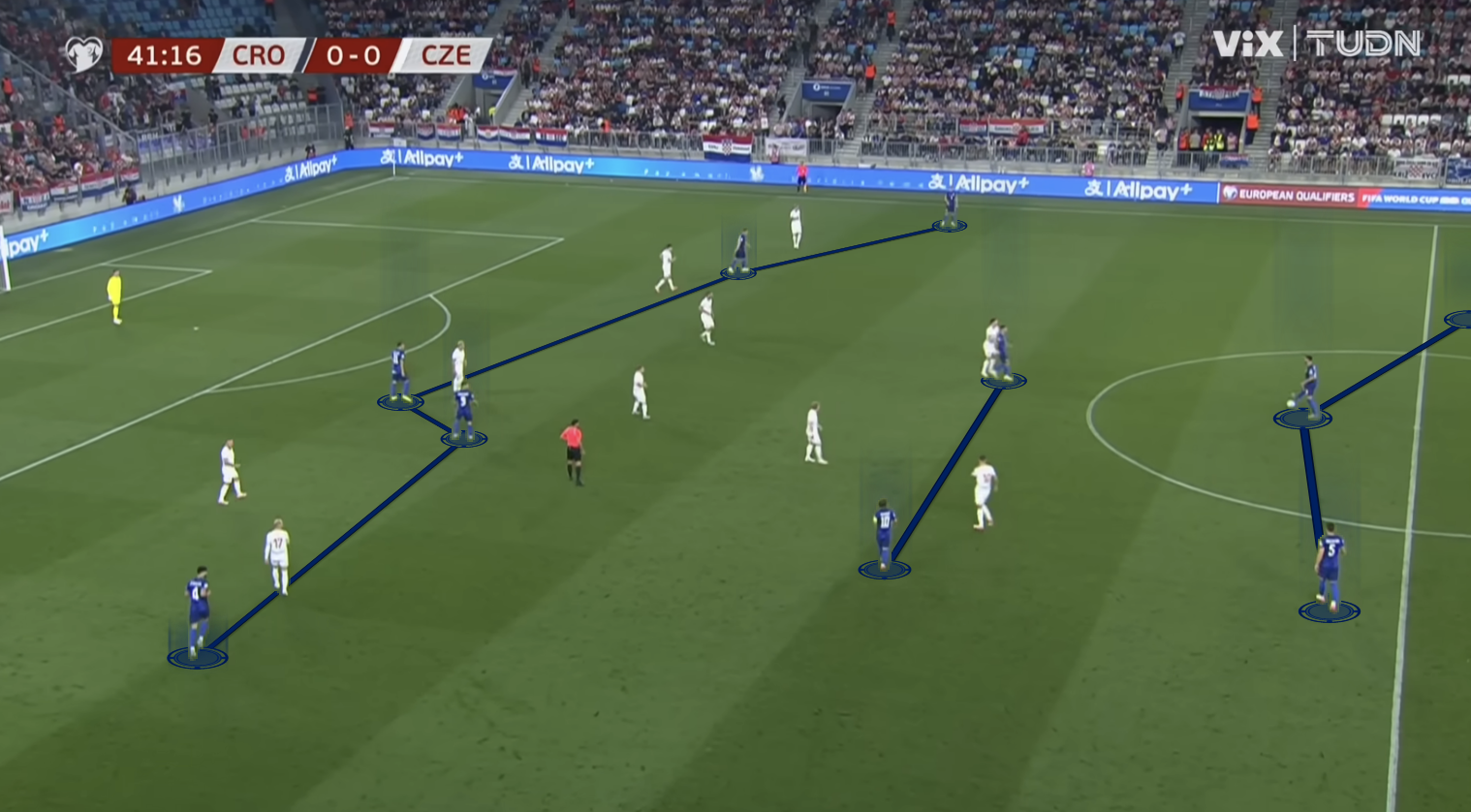
They can create central overloads like this and play through teams with many short passes.
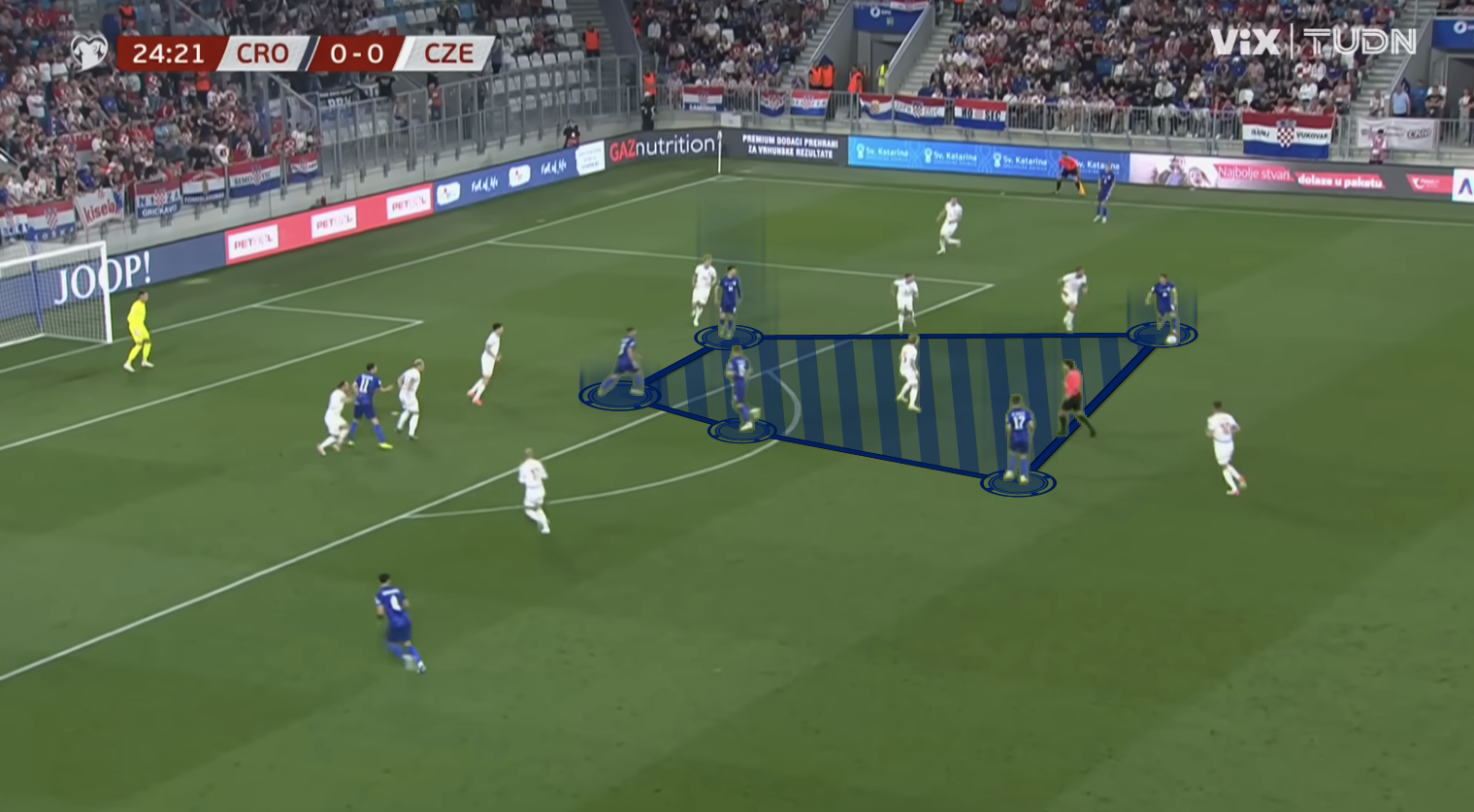
Or they can create passing triangles out wide and take advantage of a 3v3 or 3v2 when the opposition is playing a very compact defensive block.
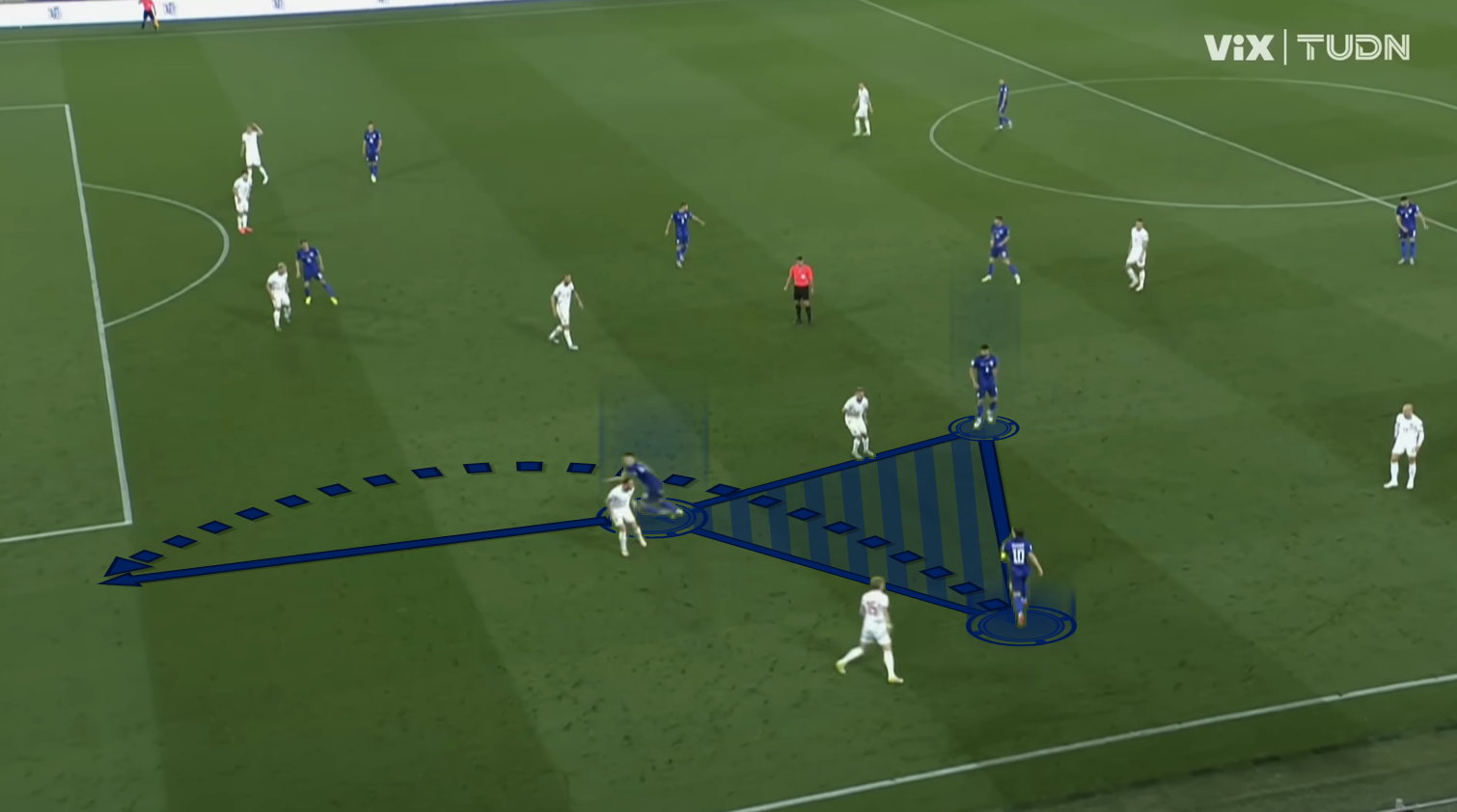
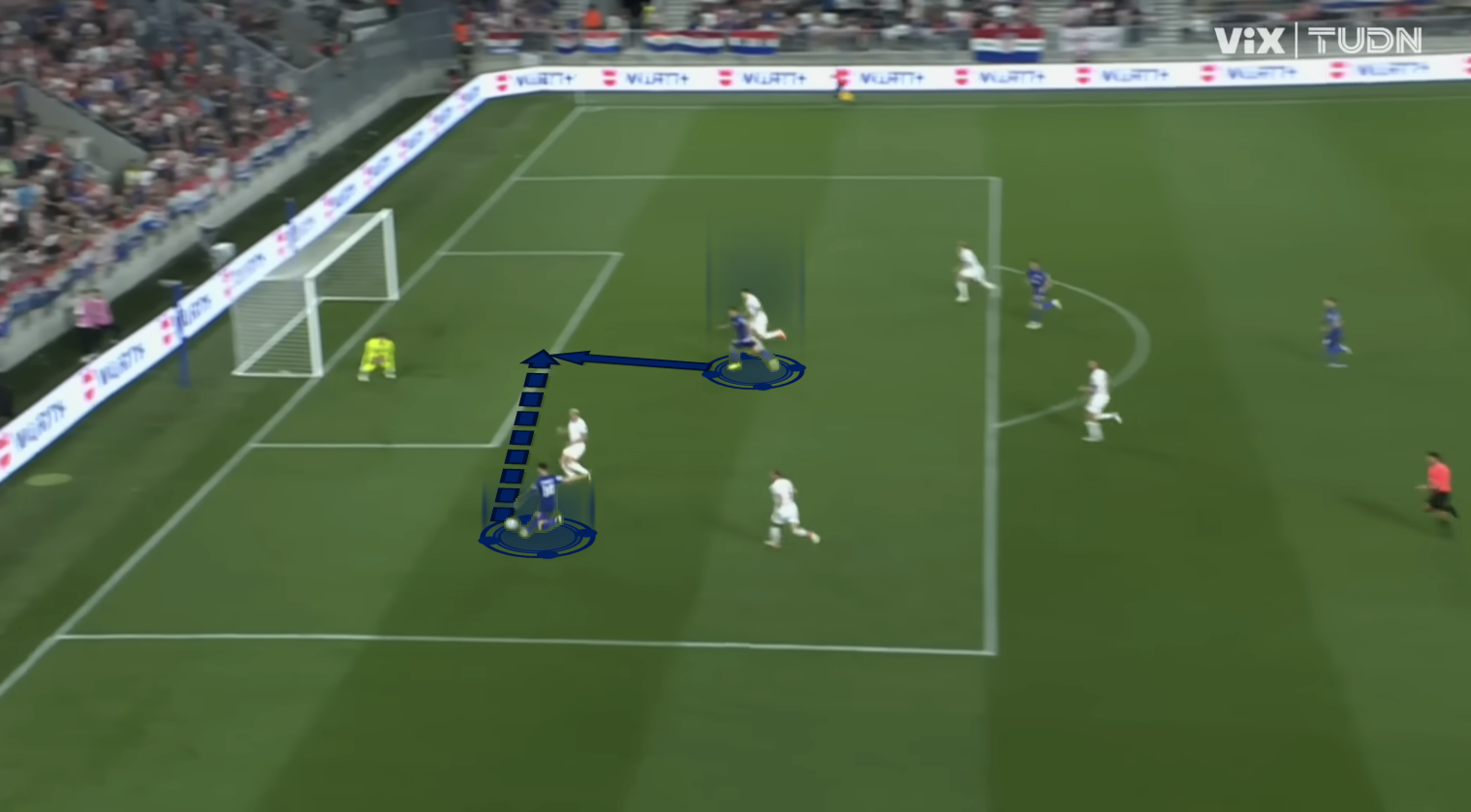
They have also shown the ability to play direct passes over the top of their opponents.
Here, the Czech Republic are sitting off of them, which allows Croatia to take advantage of the space in behind with a ball over the top.
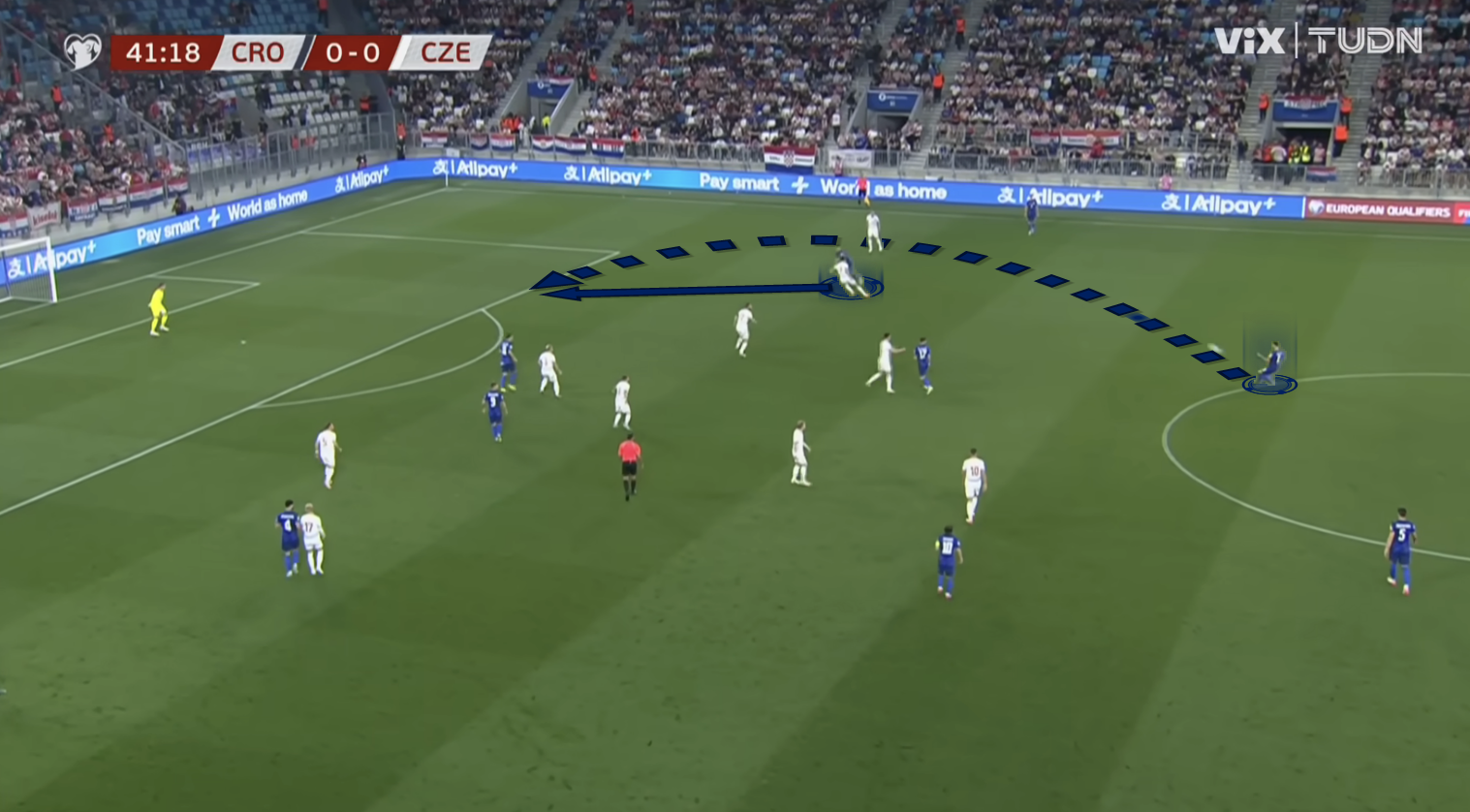
It's this type of versatility that made them one of the best teams during qualifying, and why they'll be so dangerous at this World Cup.
Zlatko Dalić Out-Of-Possession Tactics
In the past, there have been some problems with Croatia's defence, specifically their press.
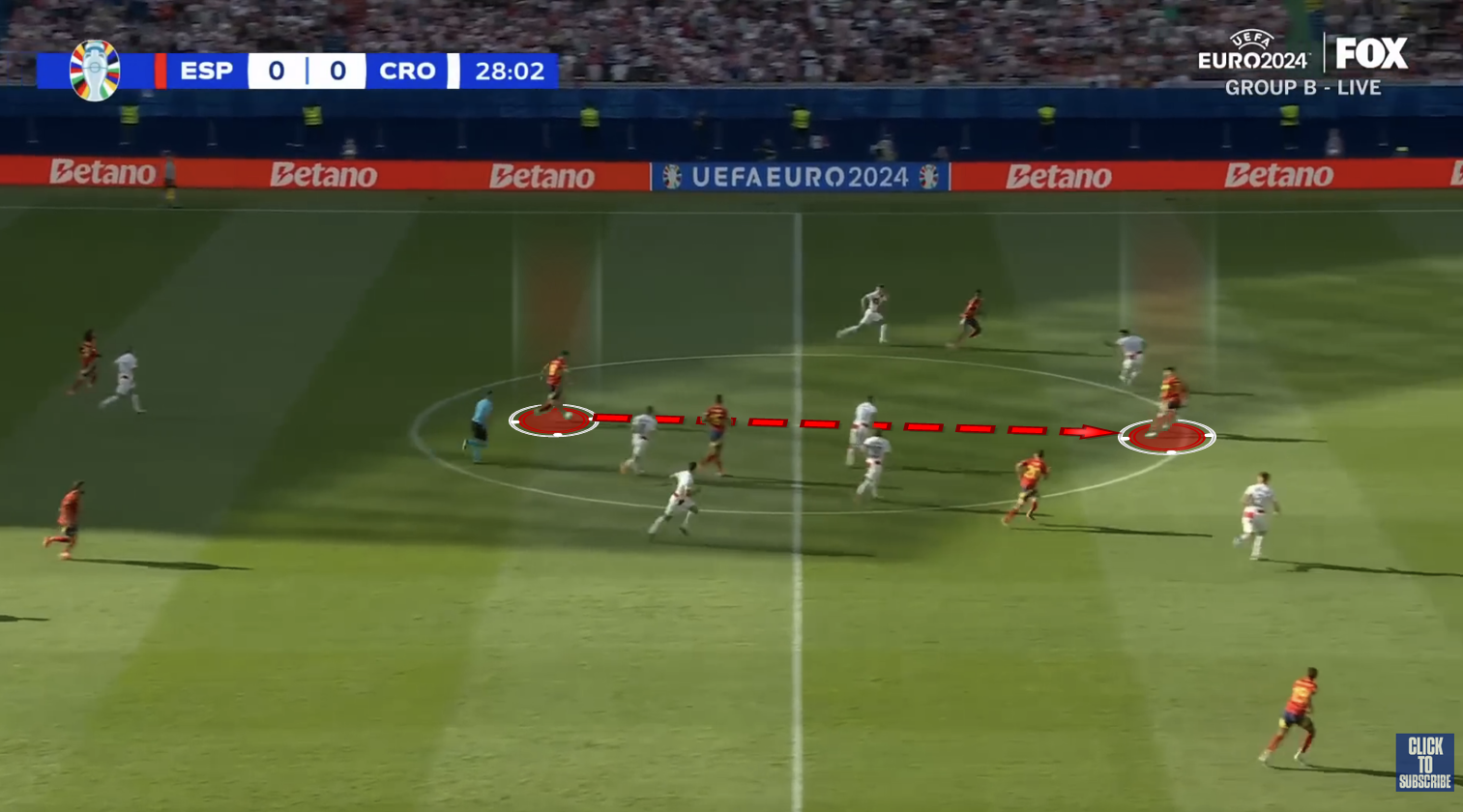
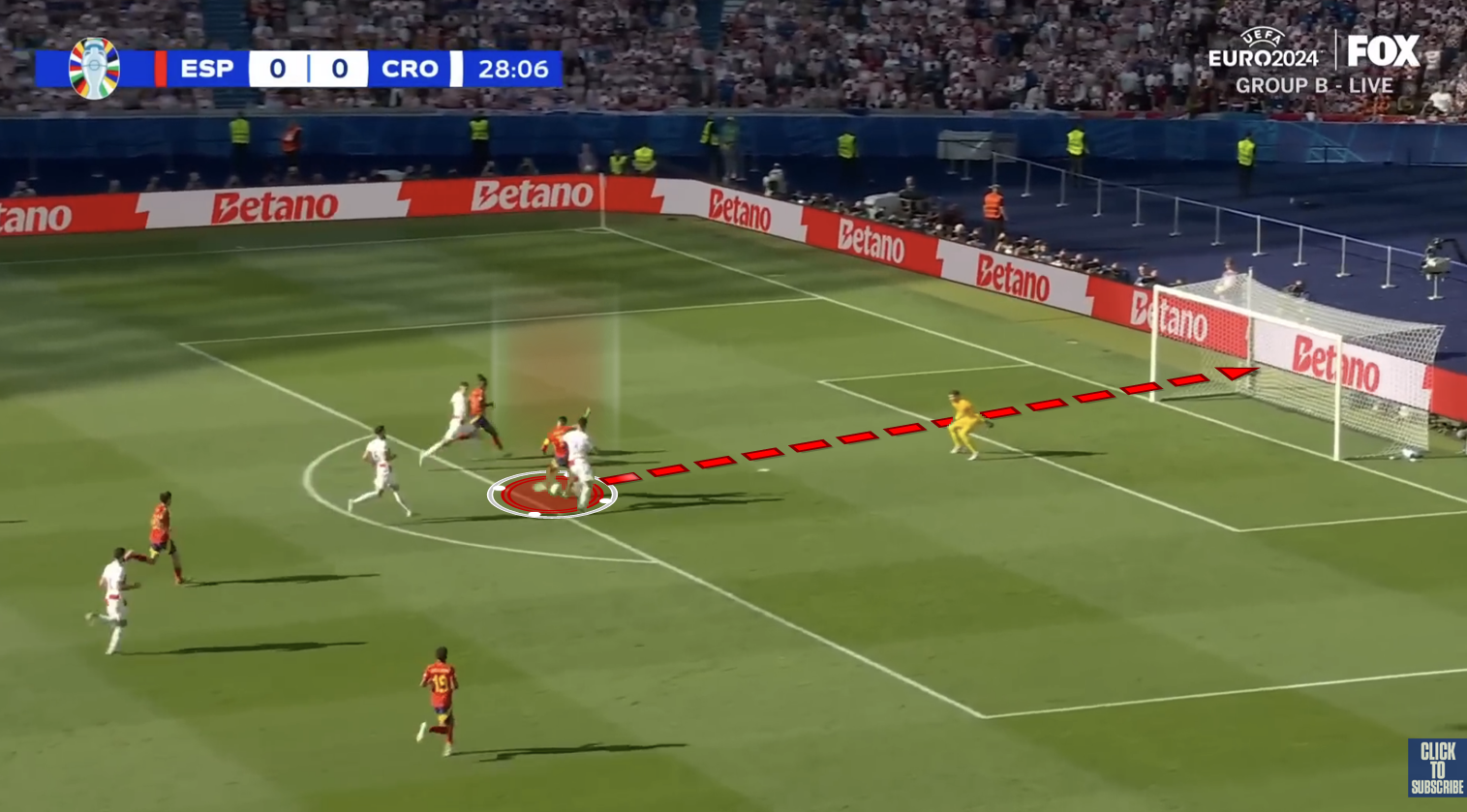
At the Euros last summer, Spain kind of exposed them because Croatia’s counterpressing was not on point.
Here, Spain won possession and played one easy pass to Rodri.
Croatia had four midfielders not closing down the ball, which led to an easy through ball to Álvaro Morata for the opening goal.
You will see Croatia press high from goal-kick situations in a man-to-man fashion, but it’s not as intense as some of the other top-tier teams.
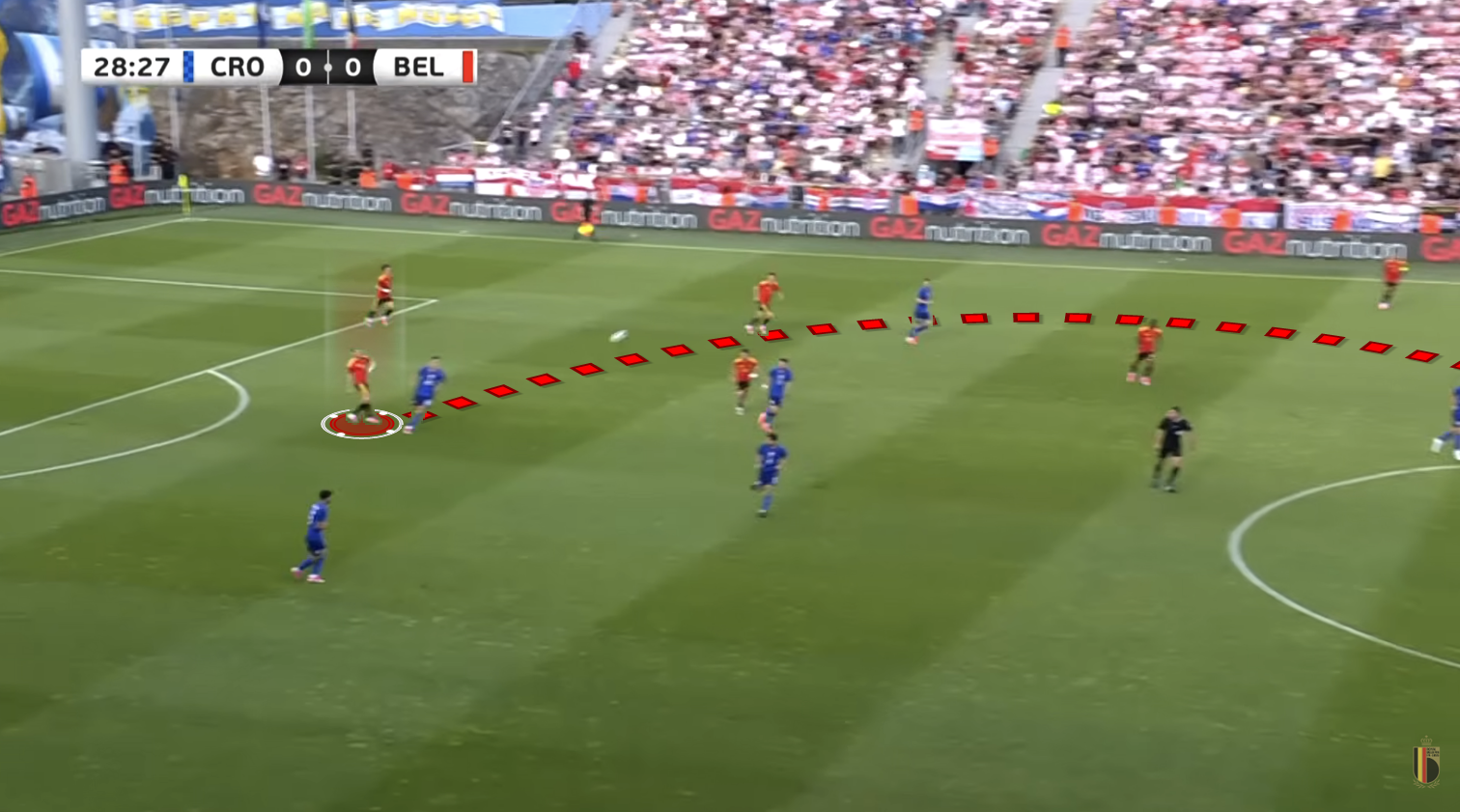
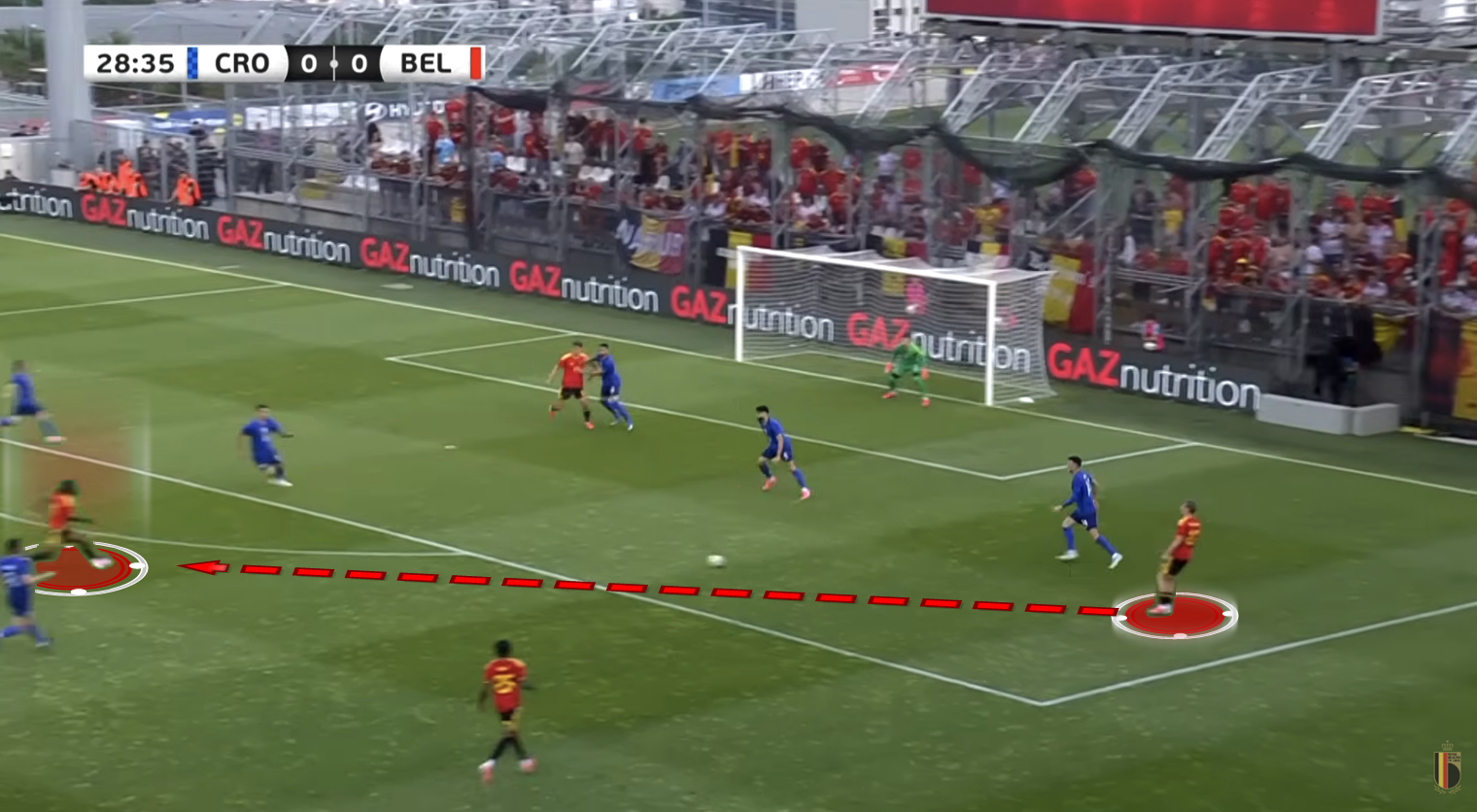
The problem they've faced is that when they go man-to-man, teams decide to play over the top of their press.
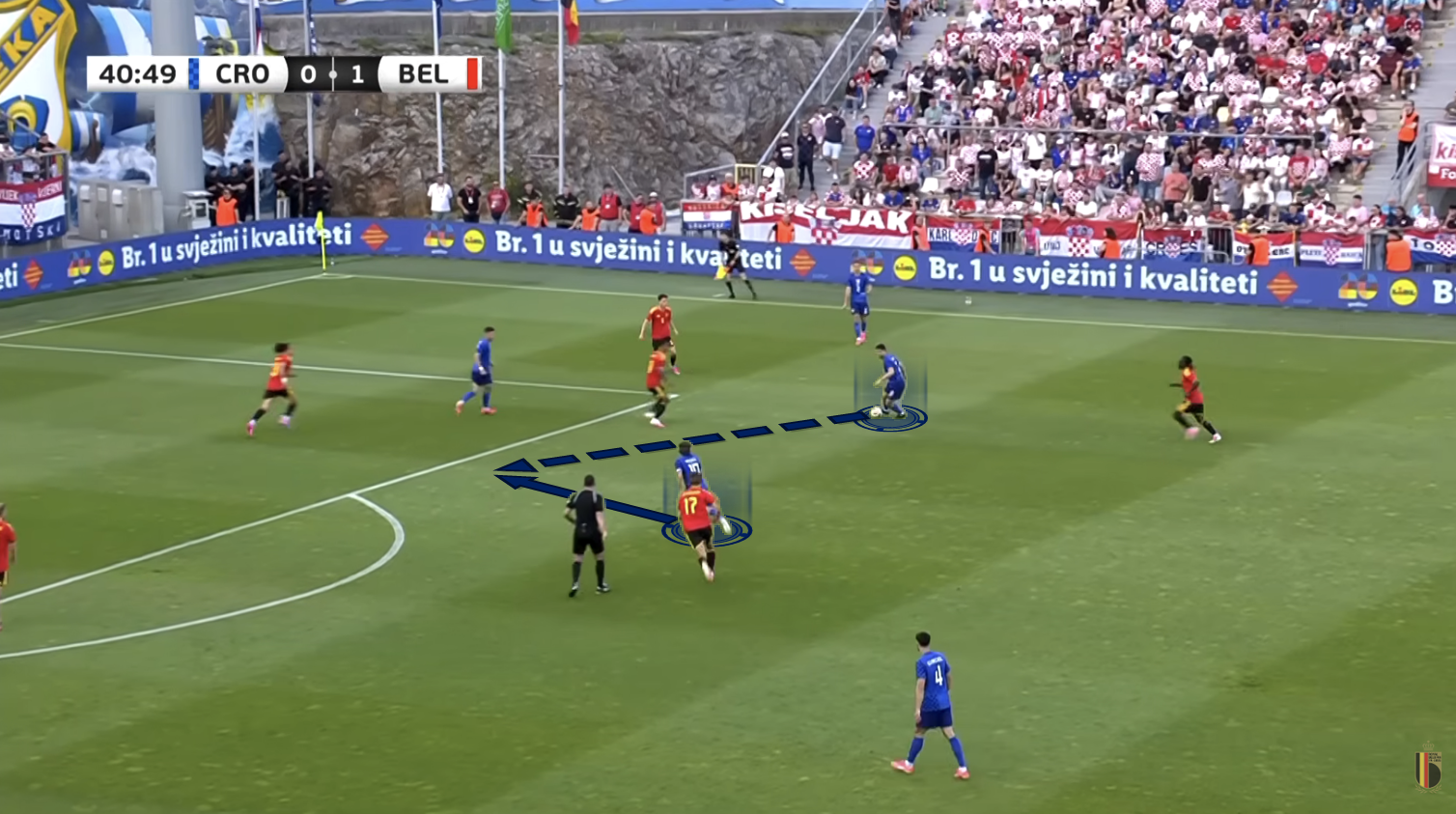
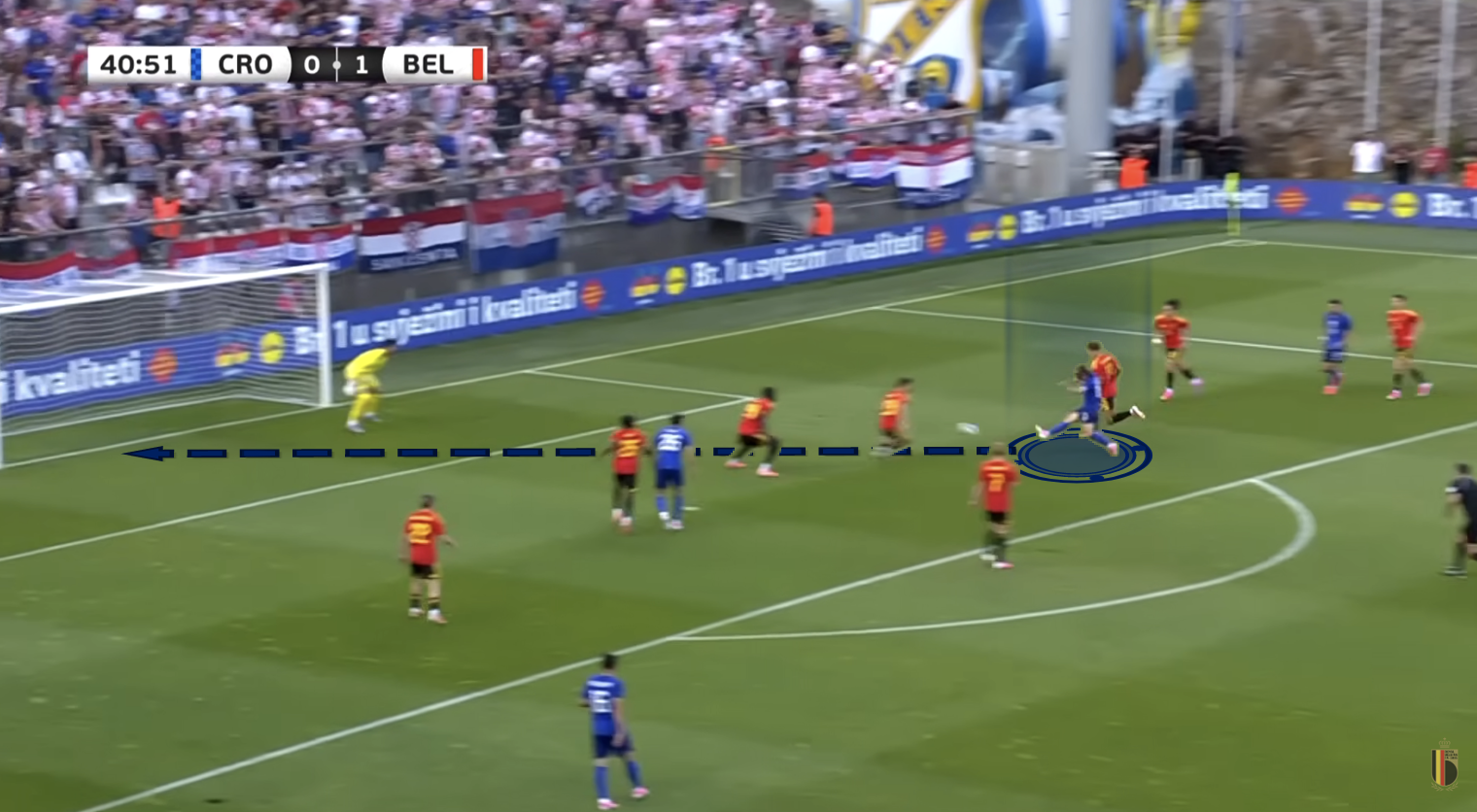
Croatia is very talented across its back line, but you can see here in a recent friendly against Belgium that they were able to isolate its forwards on Croatia’s back line and have some success playing balls over the top.
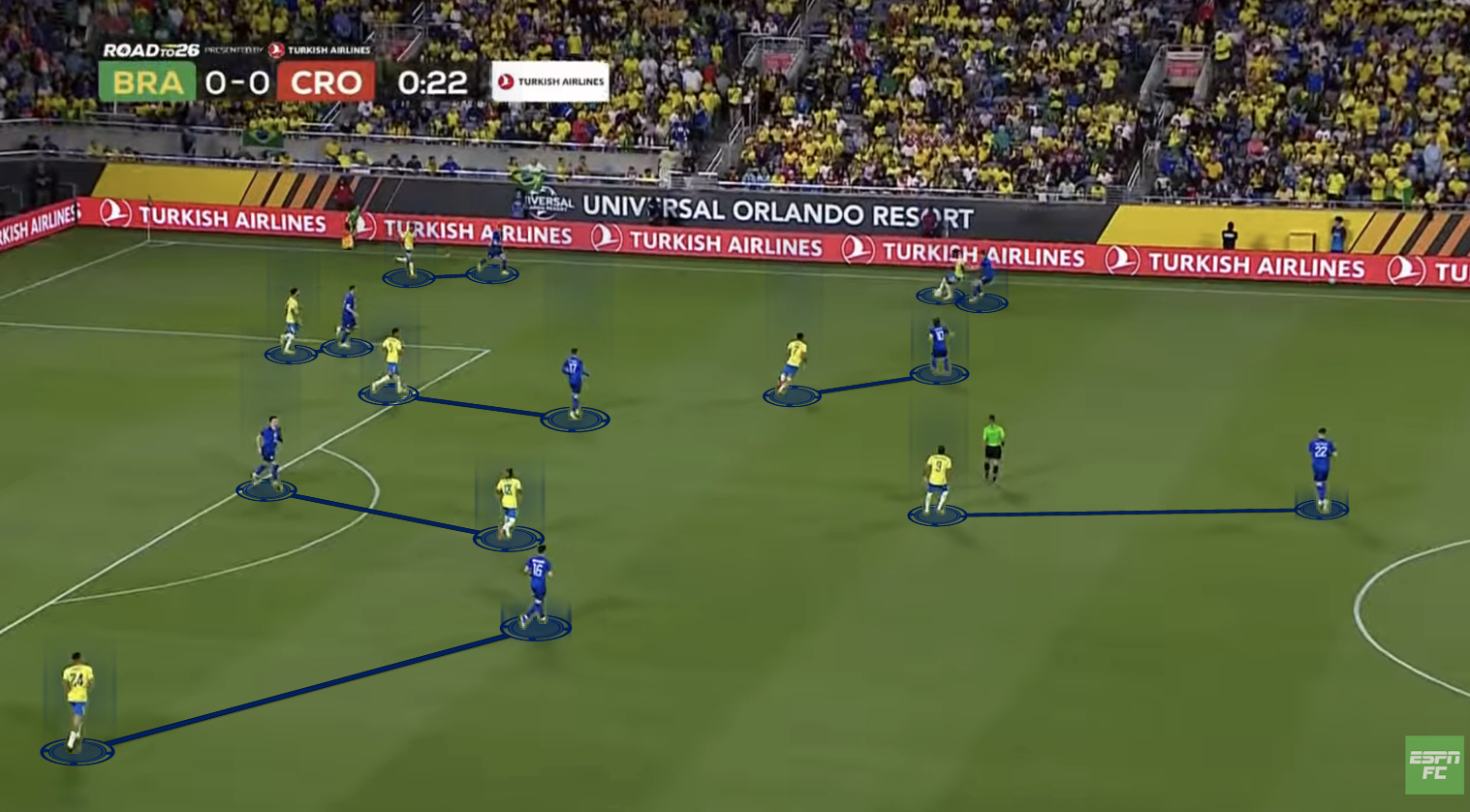
They are much more effective sitting in a 4-4-2 mid-block like the one you see here against Brazil.
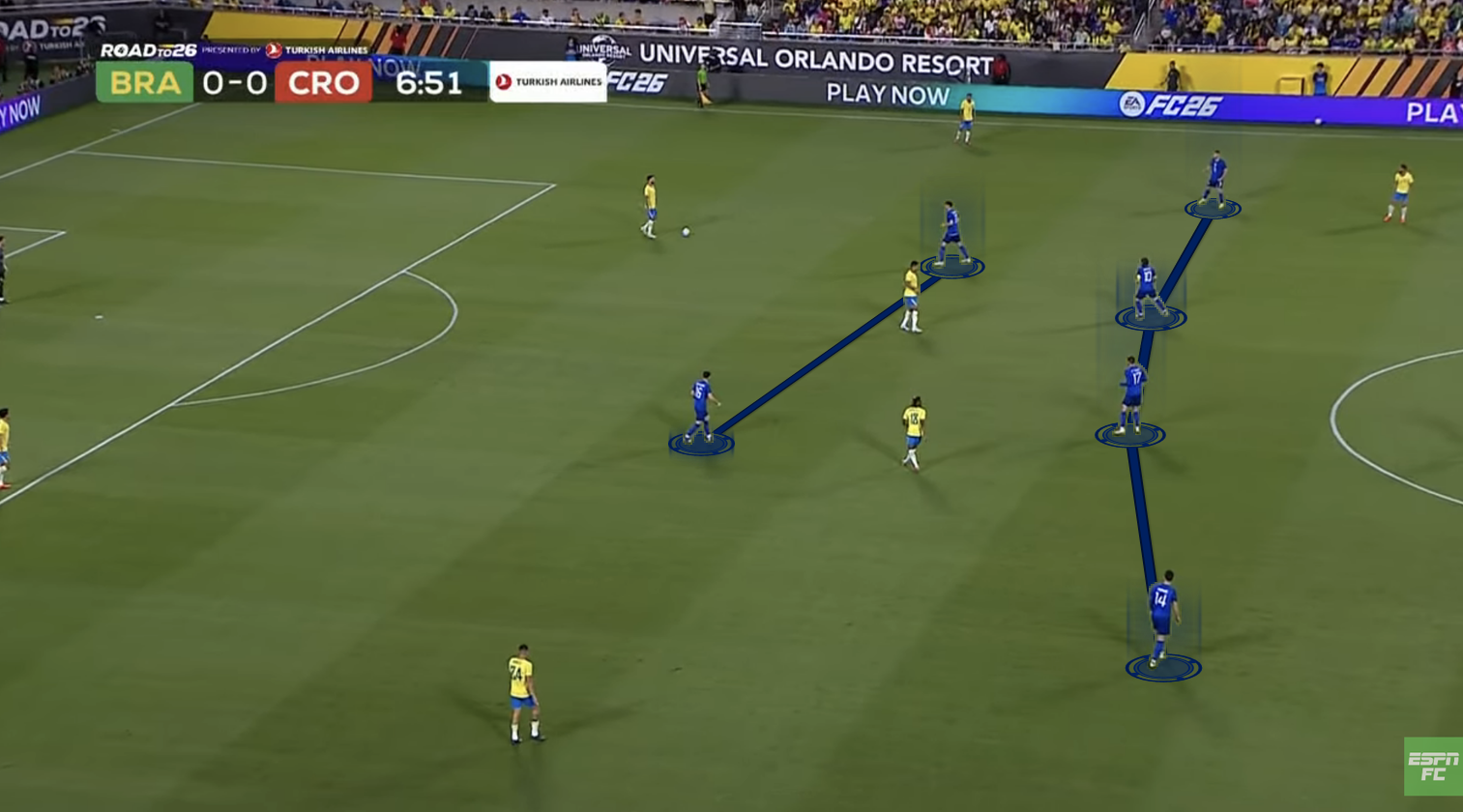
During World Cup qualifying, Croatia conceded only 5.1 expected goals over eight matches, one of the best defensive marks in Europe.
When defending in a low block, Croatia stay very compact.
They are one of the better teams in Europe at winning duels; at the Euros two summers ago, they had the sixth-highest ground duel win rate.
Even though they are one of the older teams in this tournament, they still are very difficult to team to play through, especially if you allow them to win a majority of the duels.
Croatia Key Players
Obviously, the older generation in Croatia is still the key to their squad, but there is a lot of young talent they will be relying on.
In the middle of their attack, Petar Sučić provides them with a lot of creativity through the middle of the pitch.